Dairy1 recipes
1% milk.
VegetarianVeganGluten-freeDairy-freeNut-freePeanut-freeSoy-freeEgg-freeShellfish-freeHoney-freeAlcohol-free
ALSO KNOWN AS
low fat milk

SERVING
CALORIES
42
PROTEIN
3.4g
CARBS
5.0g
FAT
0.97g
FIBER
0g
NUTRITION PROFILE · per 100 g
Everything in this ingredient.
MACRONUTRIENTS
Calories42kcal—
Protein3.4g7%
Carbohydrates5.0g2%
Fiber0g0%
Sugar5.2g10%
Total fat0.97g1%
Saturated fat0.63g3%
Cholesterol5.0mg2%
Water89.9g—
MINERALS
Sodium44mg2%
Potassium150mg3%
Calcium125mg10%
Iron0.03mg0%
Magnesium11mg3%
Phosphorus95mg8%
Zinc0.42mg4%
Copper0.01mg1%
Manganese0mg0%
Selenium3.3µg6%
VITAMINS
Vitamin A14µg2%
Vitamin C0mg0%
Vitamin D0µg0%
Vitamin E0.01mg0%
Vitamin K0.10µg0%
Thiamin (B1)0.02mg2%
Riboflavin (B2)0.19mg15%
Niacin (B3)0.09mg1%
Pantothenic acid (B5)0.36mg7%
Vitamin B60.04mg2%
Folate (B9)5.0µg1%
Vitamin B120.47µg20%
%DV based on a 2,000 cal diet. Source: USDA FoodData Central. A dash in the %DV column means there’s no established Daily Value for that nutrient.
MEASUREMENT CONVERSIONS
How much is what.
1 cup244g
1 tablespoon15.3g
1 teaspoon5.1g
1 ml1g
1 liter1016.7g
HEALTH BENEFITS
Why eat it.
- ✓Excellent source of calcium and vitamin D for bone health.
- ✓Provides high-quality protein for muscle repair and growth.
- ✓Lower in saturated fat and calories than whole or 2% milk.
- ✓Rich in B vitamins, like B12, for energy and nerve function.
COOKING TIPS
In the kitchen.
- 1Heat gently over low-to-medium heat to prevent scorching the milk solids.
- 2To avoid curdling when adding to hot dishes like soups, temper the milk by slowly whisking in a small amount of the hot liquid first.
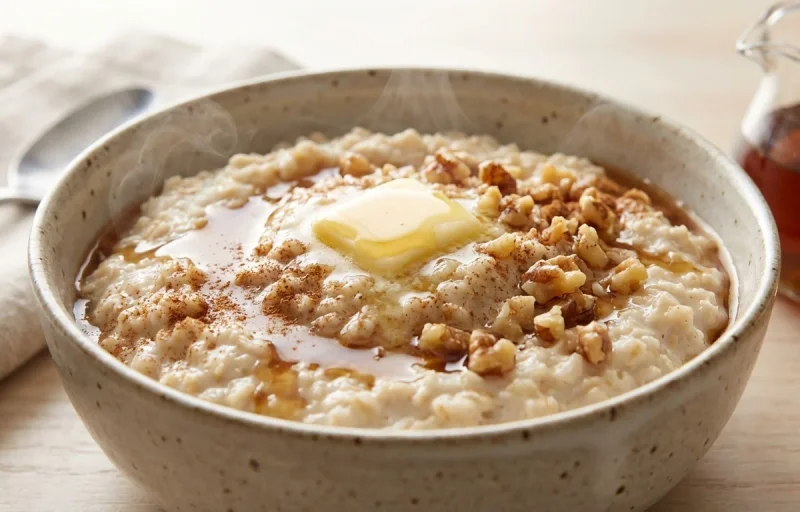
- 3Use as a lighter base for creamy sauces, oatmeal, and smoothies.
- 4Avoid boiling, as it can cause a skin to form and can alter the flavor.
STORAGE
Keep it fresh.
- Refrigerate immediately at or below 40°F (4°C).
- Store in the main body of the refrigerator, not the door, for a more consistent temperature.
- Keep the container tightly sealed to prevent absorption of other food odors.
FAQ
Frequently asked questions.
Is 1% milk healthy?
Yes, 1% milk is a nutrient-dense beverage that provides essential vitamins like D and B12, along with calcium for bone health. It offers the benefits of high-quality dairy protein with significantly less saturated fat and fewer calories than whole milk.
How much protein is in 1% milk?
1% milk contains approximately 3.37g of protein per 100g, which translates to about 8g of protein per standard 8-ounce cup. This protein is high-quality, containing all essential amino acids needed for muscle repair and growth.
Is 1% milk good for weight loss?
1% milk can be an excellent choice for weight loss as it contains only 42 calories per 100g and less than 1g of fat. The protein content helps promote a feeling of fullness, which can reduce overall calorie intake throughout the day.
Is 1% milk lactose-free?
No, standard 1% milk contains lactose, the natural sugar found in dairy products. If you are lactose intolerant, you should look for 1% milk specifically labeled as 'lactose-free,' which has had the enzyme lactase added to break down the sugar.
Is 1% milk keto-friendly?
1% milk is generally not considered keto-friendly because it contains about 5g of carbohydrates per 100g, mostly from lactose. These sugars can add up quickly and may exceed the daily carb limits required to maintain ketosis.
Can I use 1% milk for baking instead of whole milk?
Yes, 1% milk can be substituted for whole milk in most baking recipes, though the final product may be slightly less rich or tender. For cakes and muffins, the difference is usually negligible, but for custards or puddings, the texture may be thinner.
What does 1% milk taste like?
1% milk has a light, clean dairy flavor with a consistency that is thinner than whole milk but creamier than skim milk. It provides a balance of mild sweetness and a smooth mouthfeel without being overly heavy.
How long does 1% milk last after opening?
Once opened, 1% milk should be consumed within 5 to 7 days for the best quality, provided it is kept refrigerated at 40°F (4°C) or below. Always check for a sour smell or changes in texture before consuming.
Can you freeze 1% milk?
Yes, you can freeze 1% milk for up to 3 months. Ensure you leave some headspace in the container for expansion, and thaw it in the refrigerator; you may need to shake it well after thawing to restore its original consistency.
What is the difference between 1% milk and skim milk?
The primary difference is fat content; 1% milk contains 1% milkfat by weight, while skim milk contains less than 0.5% fat. This makes 1% milk slightly higher in calories but gives it a noticeably creamier taste and texture compared to skim milk.
RECIPES
Cook with 1% milk.
1 recipes · sorted by what’s quick