Vegetable2 recipes
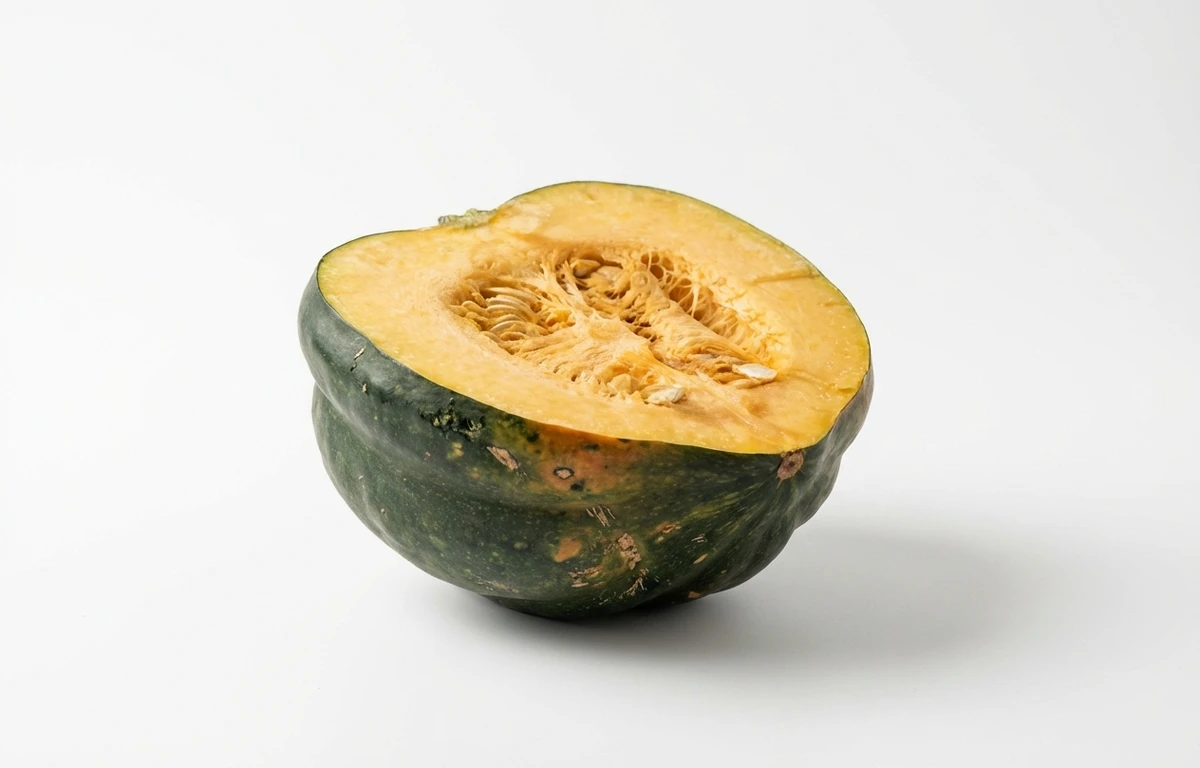
acorn squash.
VegetarianVeganGluten-freeDairy-freeNut-freePeanut-freeSoy-freeEgg-freeShellfish-freeHoney-freeAlcohol-freeHalalKosher
ALSO KNOWN AS
winter squash
SERVING
CALORIES
40
PROTEIN
1.4g
CARBS
10.4g
FAT
0.10g
FIBER
2.9g
NUTRITION PROFILE · per 100 g
Everything in this ingredient.
MACRONUTRIENTS
Calories40kcal—
Protein1.4g3%
Carbohydrates10.4g4%
Fiber2.9g10%
Sugar2.6g5%
Total fat0.10g0%
Saturated fat0.02g0%
Cholesterol0mg0%
Water84.7g—
MINERALS
Sodium5.0mg0%
Potassium295mg6%
Calcium36mg3%
Iron0.40mg2%
Magnesium12mg3%
Phosphorus37mg3%
Zinc0.20mg2%
Copper0.10mg11%
Manganese0.30mg13%
Selenium0.40µg1%
VITAMINS
Vitamin A167µg19%
Vitamin C11.4mg13%
Vitamin E0.70mg5%
Vitamin K5.7µg5%
Thiamin (B1)0.10mg8%
Riboflavin (B2)0.10mg8%
Niacin (B3)1.1mg7%
Pantothenic acid (B5)0.30mg6%
Vitamin B60.10mg6%
Folate (B9)22µg6%
Vitamin B120µg0%
%DV based on a 2,000 cal diet. Source: USDA FoodData Central. A dash in the %DV column means there’s no established Daily Value for that nutrient.
MEASUREMENT CONVERSIONS
How much is what.
1 cup140g
1 tablespoon8.8g
1 teaspoon2.9g
1 ml0.6g
1 liter583.3g
1 piece600g
HEALTH BENEFITS
Why eat it.
- ✓Rich in antioxidants, particularly beta-carotene, which helps protect cells from damage.
- ✓Excellent source of dietary fiber, which aids in digestion, promotes satiety, and helps regulate blood sugar.
- ✓High in Vitamin C, an essential nutrient for immune system function and skin health.
- ✓Provides a good source of potassium, which is important for maintaining healthy blood pressure levels.
COOKING TIPS
In the kitchen.
- 1For easier cutting, pierce the skin with a fork and microwave the whole squash for 2-3 minutes to soften it.
- 2Roasting is a popular method: Halve the squash, scoop out the seeds, brush with oil, and roast at 400°F (200°C) for 45-60 minutes until tender.
- 3The skin of acorn squash is edible once cooked, becoming tender and adding extra fiber and nutrients.
- 4Acorn squash pairs well with both sweet flavors like maple syrup and brown sugar, and savory herbs like sage, thyme, and rosemary.
STORAGE
Keep it fresh.
- Store whole, uncut acorn squash in a cool, dark place (around 50-55°F or 10-13°C) for up to 3 months.
- Once cut, wrap the pieces tightly in plastic wrap or place in an airtight container and refrigerate for up to 5 days.
- Cooked acorn squash can be stored in an airtight container in the refrigerator for 3-4 days or frozen for up to 10-12 months.
FAQ
Frequently asked questions.
Is acorn squash healthy?
Yes, acorn squash is highly nutritious. It is rich in antioxidants like beta-carotene, high in fiber for digestion, and provides significant amounts of Vitamin C and potassium to support immune health and blood pressure.
Is acorn squash good for weight loss?
Yes, with only 40 calories per 100g and a high fiber content, it is very filling while being low in calories. The fiber helps promote satiety, making it easier to manage portions and reduce overall calorie intake.
Is acorn squash keto-friendly?
Acorn squash contains about 10.4g of carbohydrates per 100g, which is higher than leafy greens. While it can be included in a keto diet in small portions, it is generally considered a moderate-carb vegetable and should be tracked carefully.
Is acorn squash vegan and gluten-free?
Yes, acorn squash is a natural vegetable and is inherently both vegan and gluten-free. It is an excellent plant-based carbohydrate source for various dietary patterns.
How do you prepare and cook acorn squash?
The most common method is roasting; cut it in half, remove the seeds, and bake at 400°F (200°C) for 40-60 minutes until tender. It can also be steamed, microwaved, or stuffed with grains and proteins for a complete meal.
Can you eat the skin of acorn squash?
Yes, the skin of acorn squash is edible. When roasted or steamed, it becomes tender enough to eat, though some people prefer to scoop the flesh out if the skin feels too fibrous.
What does acorn squash taste like?
Acorn squash has a mild, subtly sweet, and nutty flavor. Its texture is smooth and buttery when cooked, making it similar to butternut squash but slightly less sweet and more fibrous.
How should I store acorn squash and how long does it last?
Store whole acorn squash in a cool, dry, and dark place like a pantry; it can last for 1 to 2 months. Once cut, wrap it tightly in plastic and refrigerate it for up to 4 days.
How do I know if an acorn squash is ripe and fresh?
Look for a squash that feels heavy for its size and has a dull, matte skin rather than a shiny one. A patch of orange on the skin where it touched the ground is a good sign of maturity, but avoid those that are mostly orange as they may be overripe.
Can you eat the seeds of an acorn squash?
Yes, the seeds are edible and highly nutritious. You can clean them, toss them with a little oil and salt, and roast them just like pumpkin seeds for a crunchy, protein-rich snack.
RECIPES
Cook with acorn squash.
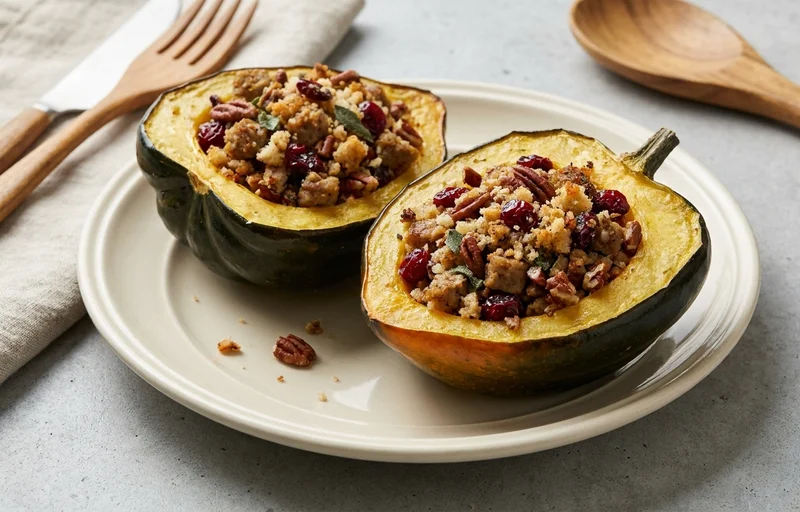
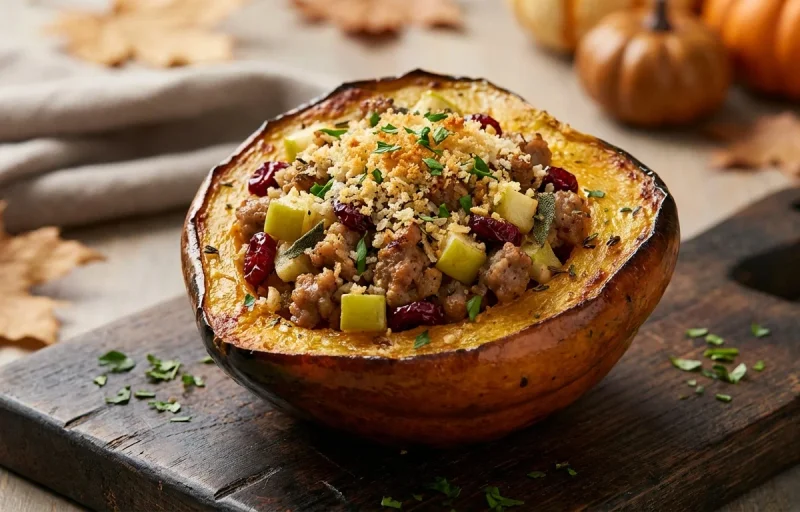
2 recipes · sorted by what’s quick