Other3 recipes
ahi tuna.
VegetarianVeganGluten-freeDairy-freeNut-freePeanut-freeSoy-freeEgg-freeShellfish-freeHoney-freeAlcohol-free
ALSO KNOWN AS
yellowfin tunaahi tunasushi-grade ahi tunasashimi-grade yellowfin tunayellowfin tuna loinsushi-grade tuna
SERVING
CALORIES
108
PROTEIN
24.4g
CARBS
0g
FAT
0.95g
FIBER
0g
NUTRITION PROFILE · per 100 g
Everything in this ingredient.
MACRONUTRIENTS
Calories108kcal—
Protein24.4g49%
Carbohydrates0g0%
Fiber0g0%
Sugar0g0%
Total fat0.95g1%
Saturated fat0.23g1%
Trans fat0g—
Cholesterol45mg15%
Water74g—
MINERALS
Sodium37mg2%
Potassium441mg9%
Calcium4.0mg0%
Iron0.77mg4%
Magnesium35mg8%
Phosphorus278mg22%
Zinc0.42mg4%
Copper0.04mg4%
Manganese0.01mg0%
Selenium90.6µg165%
VITAMINS
Vitamin A19µg2%
Vitamin C0mg0%
Vitamin D1.7µg9%
Vitamin E0.24mg2%
Vitamin K0.10µg0%
Thiamin (B1)0.12mg10%
Riboflavin (B2)0.11mg8%
Niacin (B3)18.7mg117%
Pantothenic acid (B5)0.75mg15%
Vitamin B60.93mg55%
Folate (B9)2.0µg1%
Vitamin B122.1µg90%
%DV based on a 2,000 cal diet. Source: USDA FoodData Central. A dash in the %DV column means there’s no established Daily Value for that nutrient.
MEASUREMENT CONVERSIONS
How much is what.
1 cup150g
1 oz28.4g
1 lb453.6g
1 piece170g
HEALTH BENEFITS
Why eat it.
- ✓Excellent source of high-quality lean protein
- ✓Rich in Omega-3 fatty acids for heart health
- ✓High in Vitamin B12 for nerve function
- ✓Contains Selenium, a powerful antioxidant
- ✓Low in calories and saturated fat
COOKING TIPS
In the kitchen.
- 1Best served raw (sashimi grade), rare, or medium-rare to maintain moisture
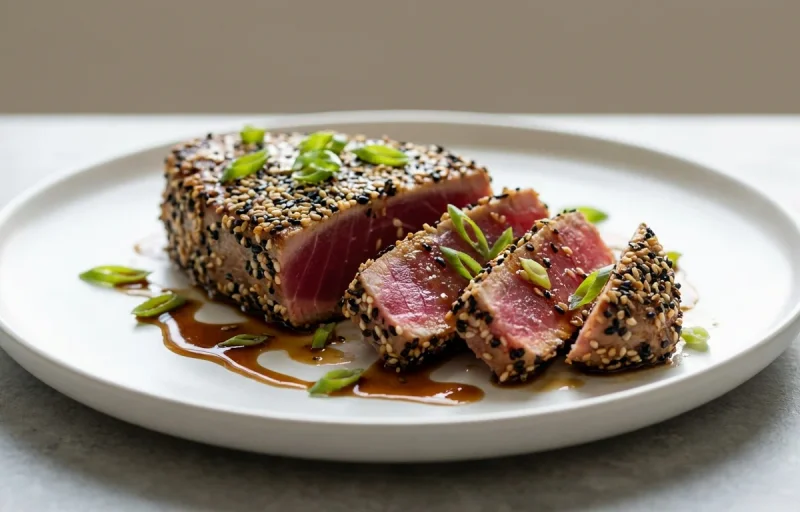
- 2Sear quickly over high heat for 1-2 minutes per side to create a crust
- 3Always slice against the grain for the most tender texture
STORAGE
Keep it fresh.
- Store in the coldest part of the refrigerator for no more than 1-2 days
- Keep tightly wrapped in plastic or vacuum-sealed to prevent oxidation
- If freezing, use within 3 months for best quality and texture
FAQ
Frequently asked questions.
How can I tell if ahi tuna is fresh?
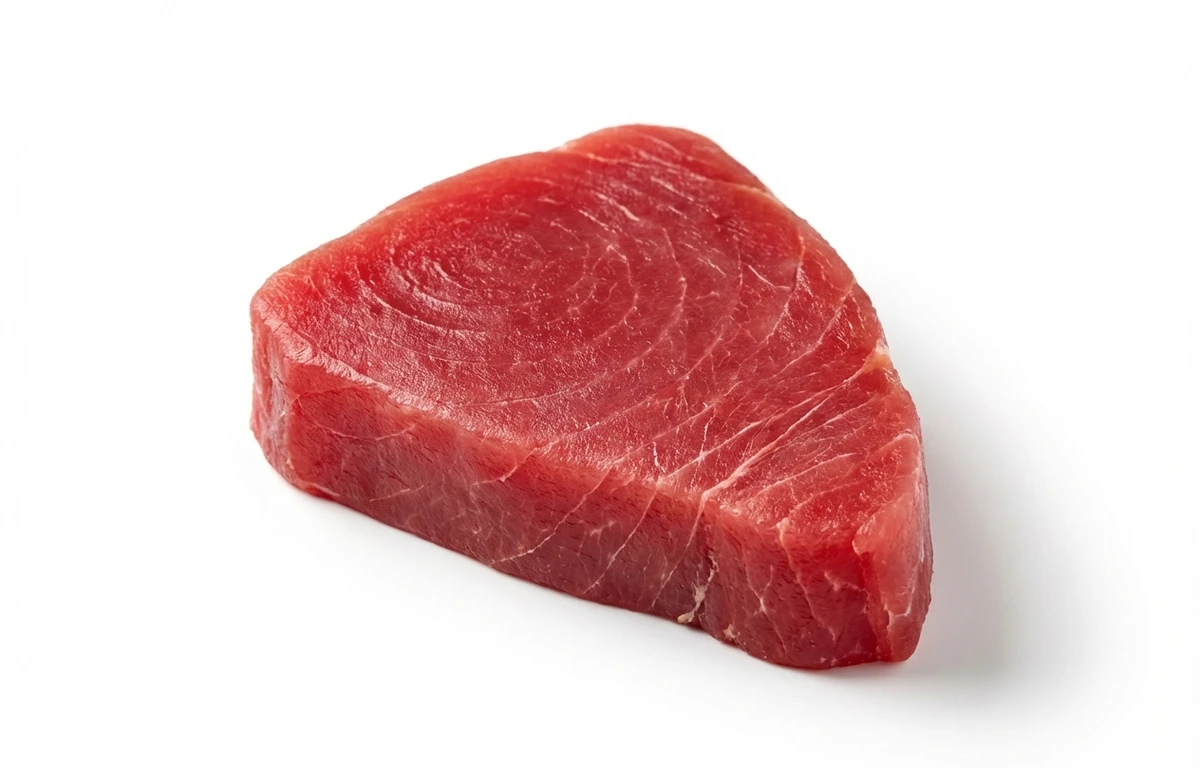
Look for a deep red or pink color, a firm texture, and a clean, mild ocean scent. Avoid fish with brown spots or a strong 'fishy' odor.
What is the difference between Ahi and Yellowfin tuna?
Ahi is the Hawaiian name for both Yellowfin and Bigeye tuna. In most markets, Ahi specifically refers to Yellowfin.
Is it safe to eat ahi tuna raw?
Yes, provided it is labeled as 'sushi-grade' or 'sashimi-grade,' meaning it has been handled and frozen properly to kill parasites.
What are the best substitutes for ahi tuna?
Bigeye tuna, Albacore tuna, or Salmon are the best alternatives for searing or raw preparations.
How long does ahi tuna last in the freezer?
While it can stay safe indefinitely, it is best consumed within 3 months to avoid freezer burn and texture degradation.
Does ahi tuna contain high mercury?
Ahi tuna contains moderate levels of mercury. It is recommended to limit consumption to 1-2 servings per week.
What are common dishes made with ahi tuna?
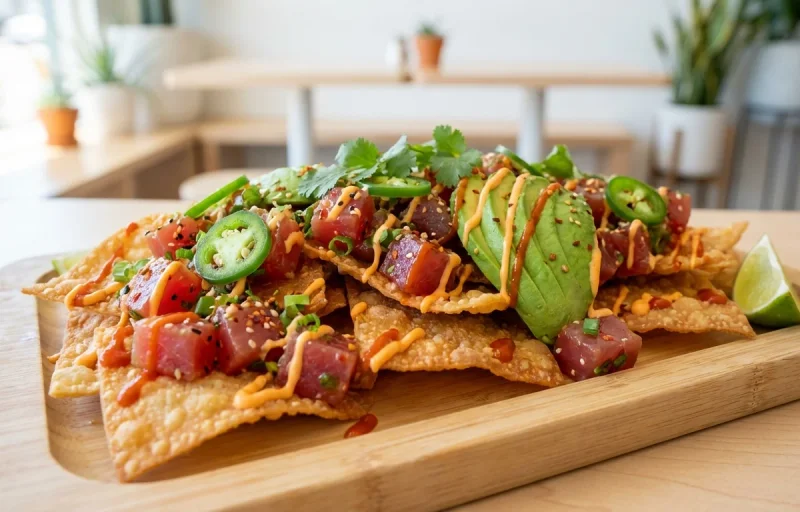
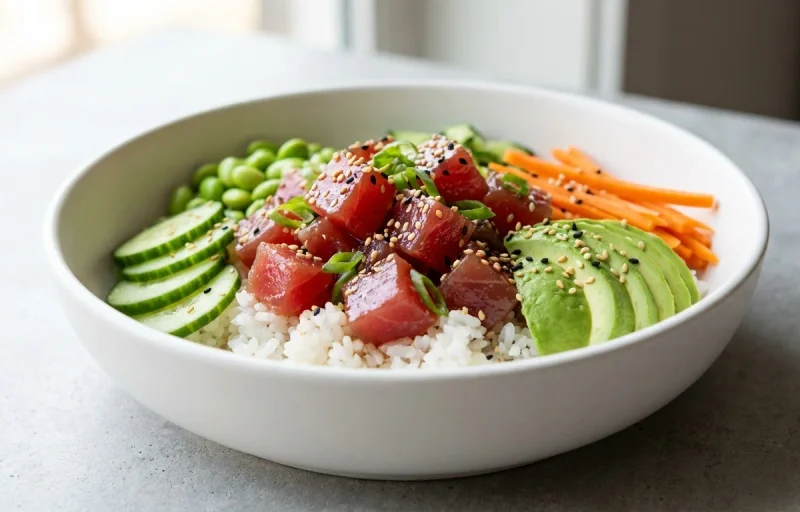
Common dishes include Poke bowls, Ahi steaks, Sashimi, Sushi rolls, and Seared Ahi salads.
How should I thaw frozen ahi tuna?
Thaw it slowly in the refrigerator overnight. Avoid thawing at room temperature or in warm water to maintain food safety.
RECIPES
Cook with ahi tuna.
3 recipes · sorted by what’s quick