
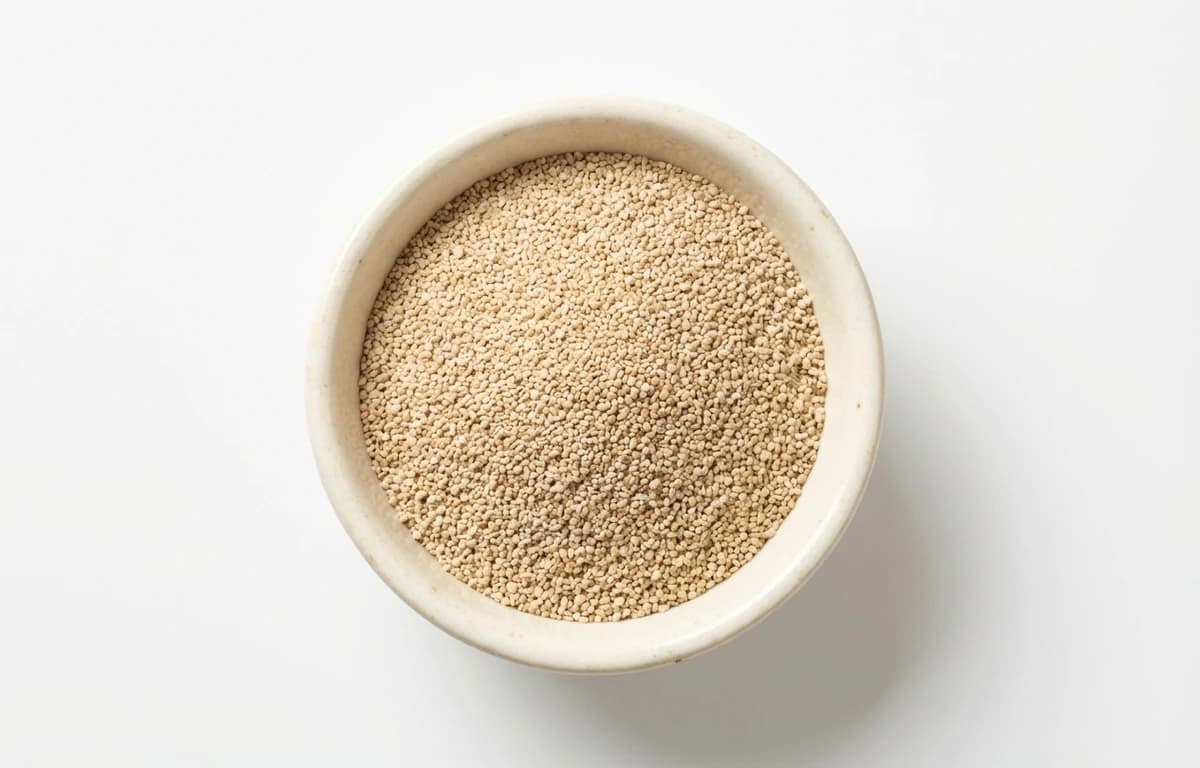
ale yeast
Also known as:
Loading...
Also known as:
Per 100g
Nutrition data source: USDA FoodData Central
Common measurement equivalents in grams
Yes, ale yeast is highly nutritious, providing a dense source of B-complex vitamins like thiamin, riboflavin, and folic acid. It also contains essential minerals like selenium and chromium, which support energy metabolism and antioxidant defense.
Ale yeast is an excellent source of plant-based protein, containing approximately 45g of protein per 100g. It is considered a complete protein because it contains all nine essential amino acids necessary for muscle growth and repair.
Ale yeast is naturally vegan as it is a fungus. While the yeast itself is gluten-free, if it is a byproduct of the brewing process (brewer's yeast), it may contain trace amounts of gluten from barley; always check for a certified gluten-free label if you have celiac disease.
Ale yeast is rich in chromium, a trace mineral that may help improve insulin sensitivity and maintain normal blood sugar levels. However, individuals with diabetes should consult a healthcare provider before using it as a regular supplement.
Ale yeast has a savory, nutty, and slightly bitter flavor profile. It provides a deep umami character to foods, though it is generally more bitter than the nutritional yeast commonly used as a cheese substitute.
Active ale yeast can be used to leaven bread, though it is specifically optimized for fermenting liquids. If you are using deactivated ale yeast (often sold as a nutritional supplement), it will not cause bread to rise and should only be used for its nutritional benefits.
Dry ale yeast should be kept in a cool, dark, and dry place in an airtight container. Once opened, it is best stored in the refrigerator or freezer to preserve its nutritional potency and prevent the oils from going rancid.
ale yeast is a versatile ingredient found in cuisines around the world. With 325 calories per 100g and 45 grams of protein, it's a nutritious addition to many dishes.
Explore more ingredients in the other category with complete nutrition information.
View all other →Unopened dry ale yeast typically has a shelf life of 1 to 2 years. Once opened, it is best to use it within 3 to 6 months if stored in the refrigerator to ensure maximum freshness and efficacy.
Ale yeast (Saccharomyces cerevisiae) is a 'top-fermenting' yeast that performs best at warmer room temperatures, typically producing fruitier flavors. Lager yeast is 'bottom-fermenting' and requires much colder temperatures to produce a cleaner, crisper finish.
In its active form, ale yeast can support a healthy balance of gut bacteria. However, most supplemental ale yeast is deactivated, meaning it won't colonize the gut but still provides fiber and nutrients that support overall digestive wellness.