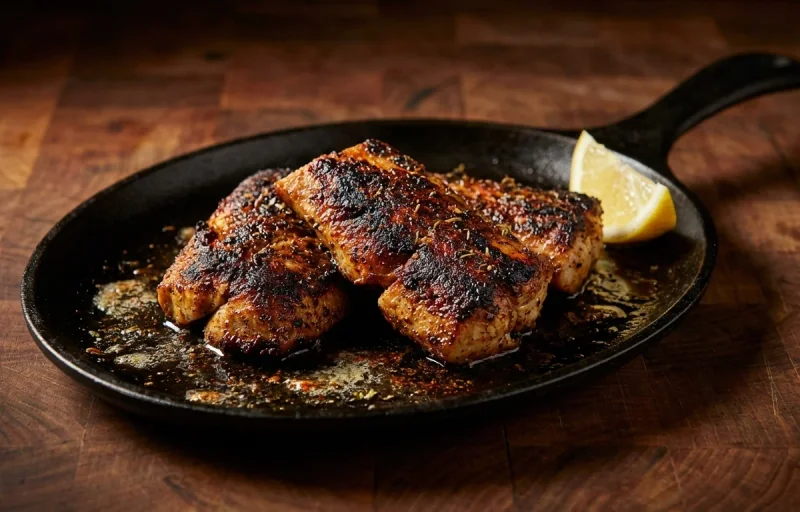
Other1 recipes
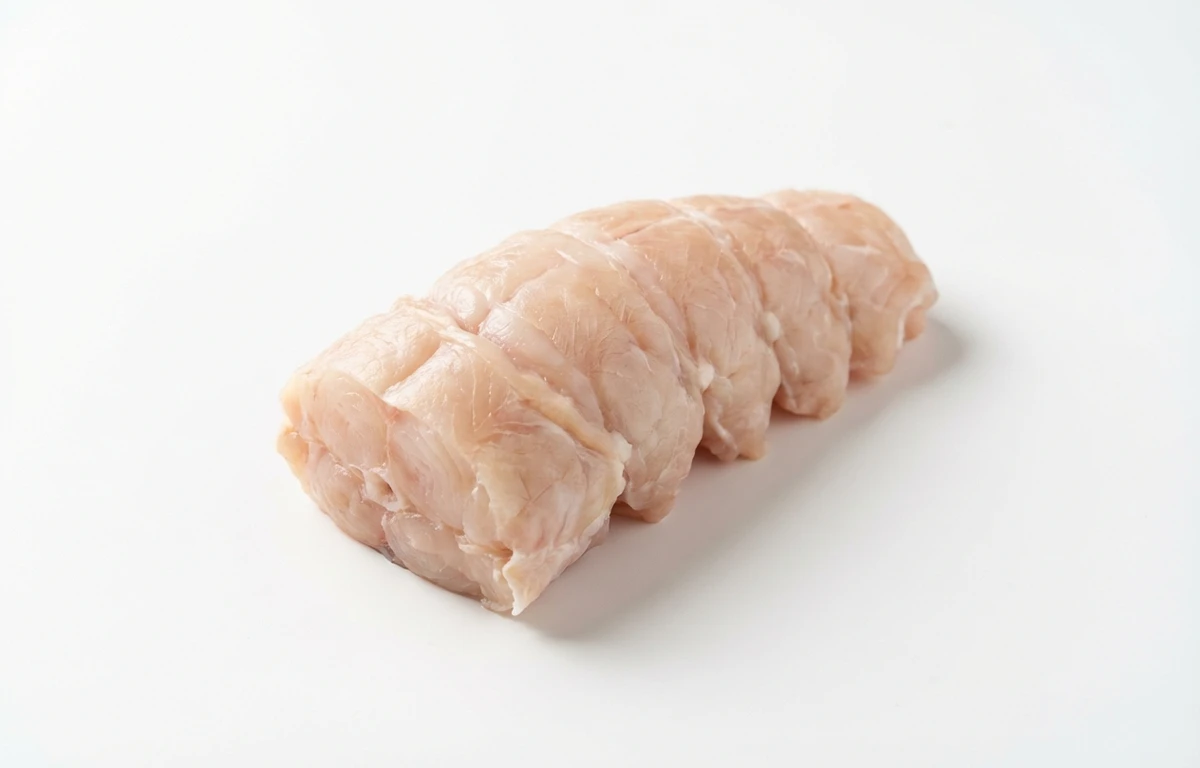
alligator tail meat.
VegetarianVeganGluten-freeDairy-freeNut-freePeanut-freeSoy-freeEgg-freeShellfish-freeHoney-freeAlcohol-freeHalalKosher
ALSO KNOWN AS
gator tail
SERVING
CALORIES
137
PROTEIN
28.9g
CARBS
0g
FAT
2.9g
FIBER
0g
NUTRITION PROFILE · per 100 g
Everything in this ingredient.
MACRONUTRIENTS
Calories137kcal—
Protein28.9g58%
Carbohydrates0g0%
Fiber0g0%
Sugar0g0%
Total fat2.9g4%
Saturated fat0.80g4%
Cholesterol65mg22%
MINERALS
Sodium46mg2%
Potassium350mg7%
Calcium20mg2%
Iron1.5mg8%
Magnesium24mg6%
Phosphorus240mg19%
Zinc1.6mg15%
Copper0.11mg12%
Manganese0.01mg0%
Selenium25.5µg46%
VITAMINS
Vitamin A0µg0%
Vitamin C0mg0%
Vitamin D0µg0%
Vitamin E0.10mg1%
Vitamin K0µg0%
Thiamin (B1)0.08mg7%
Riboflavin (B2)0.10mg8%
Niacin (B3)3.2mg20%
Pantothenic acid (B5)0.40mg8%
Vitamin B60.20mg12%
Folate (B9)1.0µg0%
Vitamin B120.50µg21%
%DV based on a 2,000 cal diet. Source: USDA FoodData Central. A dash in the %DV column means there’s no established Daily Value for that nutrient.
MEASUREMENT CONVERSIONS
How much is what.
1 cup150g
1 oz28.4g
1 lb453.6g
1 piece120g
HEALTH BENEFITS
Why eat it.
- ✓Excellent source of high-quality, lean protein, which is crucial for muscle building, repair, and satiety.
- ✓Lower in saturated fat and cholesterol compared to many red meats, making it a heart-healthier protein option.
- ✓Rich in essential nutrients such as niacin (Vitamin B3), Vitamin B12, and phosphorus, supporting energy metabolism and bone health.
- ✓Contains a notable amount of omega-3 fatty acids, which can help reduce inflammation and support cardiovascular function.
COOKING TIPS
In the kitchen.
- 1Alligator tail meat is very lean and can become tough if overcooked. Cook it quickly over high heat, similar to how you would cook veal or pork tenderloin.
- 2Marinating the meat for at least 30 minutes in an acidic base like citrus juice or buttermilk can help tenderize it and add flavor.
- 3Common cooking methods include frying (often breaded), grilling, blackening, or sautéing. It's also popular in gumbos and stews, but should be added near the end of cooking.
- 4The flavor is mild, often compared to a cross between chicken and fish. It pairs well with bold Cajun, Creole, or citrus-based seasonings.
STORAGE
Keep it fresh.
- Store fresh alligator meat in the coldest part of the refrigerator (at or below 40°F / 4°C) and cook within 1-2 days of purchase.
- For longer storage, wrap the meat tightly in plastic wrap and freezer paper or vacuum-seal it. It can be frozen at 0°F (-18°C) for up to 12 months.
FAQ
Frequently asked questions.
Is alligator tail meat healthy?
Yes, alligator tail meat is a very lean, high-protein meat that is low in saturated fat and cholesterol. It is rich in essential nutrients like Vitamin B12 and omega-3 fatty acids, which support heart health and energy metabolism.
How much protein is in alligator tail meat?
Alligator tail is an exceptionally high-protein food, providing approximately 28.9g of protein per 100g serving. This makes it an excellent choice for muscle building and repair, comparable to or higher than many traditional meats.
Is alligator tail meat keto-friendly?
Yes, alligator tail meat is perfectly suited for keto and low-carb diets because it contains 0g of carbohydrates. Its high protein content and low fat profile make it a clean, nutrient-dense protein source for those in ketosis.
What does alligator tail meat taste like?
Alligator tail is often described as having a mild, versatile flavor that is a cross between chicken and a firm white fish. It has a unique texture that is slightly firmer than chicken but tender when prepared correctly.
How do you cook alligator tail meat?
It can be grilled, blackened, fried, or used in stews like gumbo. Because it is very lean, it is best cooked quickly over high heat or slow-braised to prevent it from becoming tough or rubbery.
Is alligator meat halal or kosher?
No, alligator meat is generally not considered kosher or halal. In Jewish dietary law, it lacks the required physical characteristics of land animals, and in Islamic law, most reptiles and predatory animals are prohibited for consumption.
Is alligator tail meat good for weight loss?
Yes, it is an excellent weight-loss food due to its low calorie count (137 cal per 100g) and high protein density. The high protein content promotes satiety, helping you feel full for longer periods while maintaining a caloric deficit.
How do you store alligator tail meat?
Fresh alligator meat should be stored in the coldest part of the refrigerator and used within 1-2 days. For long-term storage, it should be vacuum-sealed and frozen, where it can maintain its quality for up to 6 months.
Do I need to tenderize alligator tail meat?
While the tail is the most tender cut of the alligator, it can still benefit from tenderizing. Many chefs recommend marinating the meat in an acidic liquid like buttermilk or lemon juice, or using a meat mallet to ensure a more tender bite.
What is a good substitute for alligator tail meat?
If alligator is unavailable, chicken breast or veal are the closest substitutes in terms of texture and mild flavor. For seafood-based recipes, a firm white fish like grouper or swordfish can also work as a replacement.
RECIPES
Cook with alligator tail meat.
1 recipes · sorted by what’s quick