
meat
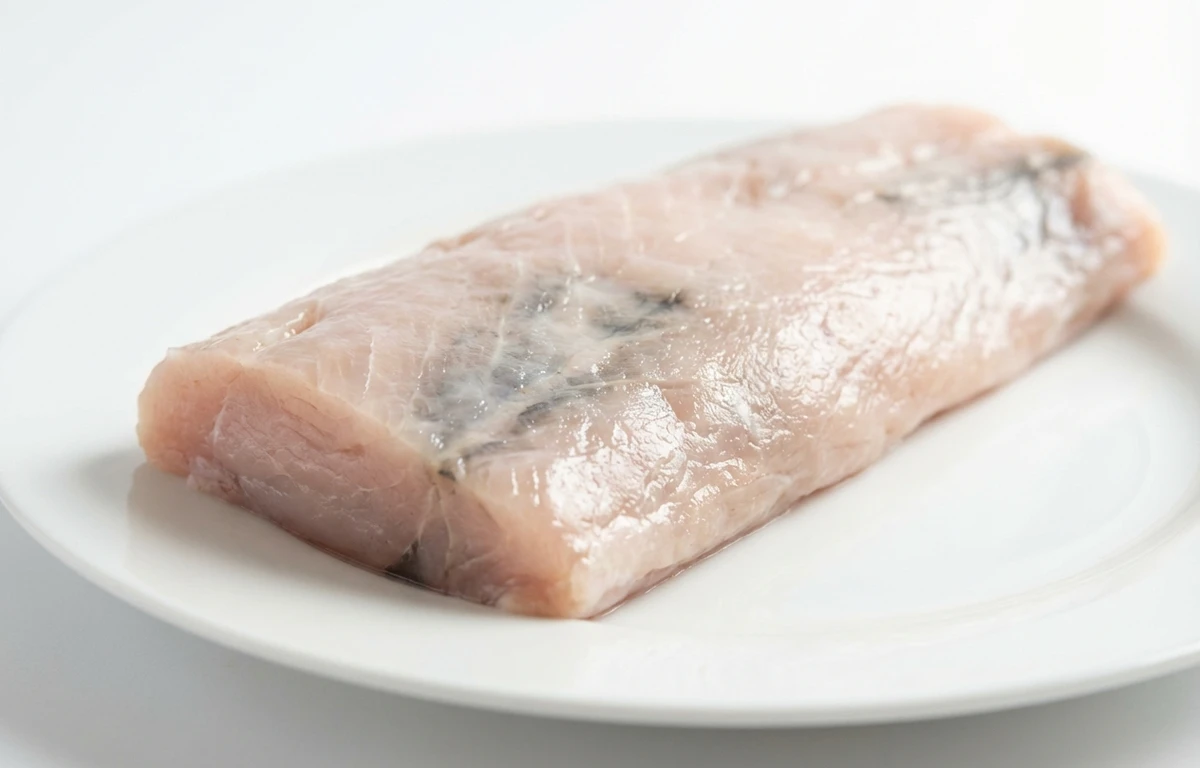
Alligator Tenderloin.
VegetarianVeganGluten-freeDairy-freeNut-freePeanut-freeSoy-freeEgg-freeShellfish-freeHoney-freeAlcohol-free
SERVING
CALORIES
105
PROTEIN
22.5g
CARBS
0g
FAT
1.5g
FIBER
0g
NUTRITION PROFILE · per 100 g
Everything in this ingredient.
MACRONUTRIENTS
Calories105kcal—
Protein22.5g45%
Carbohydrates0g0%
Fiber0g0%
Sugar0g0%
Total fat1.5g2%
Saturated fat0.40g2%
Trans fat0g—
Cholesterol55mg18%
Water75.5g—
MINERALS
Sodium45mg2%
Potassium280mg6%
Calcium15mg1%
Iron1.5mg8%
Magnesium25mg6%
Phosphorus220mg18%
Zinc1.2mg11%
Copper0.15mg17%
Manganese0.01mg0%
Selenium18µg33%
VITAMINS
Thiamin (B1)0.15mg13%
Riboflavin (B2)0.18mg14%
Niacin (B3)4.5mg28%
Pantothenic acid (B5)0.60mg12%
Vitamin B60.25mg15%
Folate (B9)8.0µg2%
Vitamin B121.5µg63%
%DV based on a 2,000 cal diet. Source: USDA FoodData Central. A dash in the %DV column means there’s no established Daily Value for that nutrient.
MEASUREMENT CONVERSIONS
How much is what.
1 cup150g
1 tablespoon9g
1 teaspoon3g
1 oz28.4g
1 lb453.6g
1 piece120g
HEALTH BENEFITS
Why eat it.
- ✓Excellent source of lean protein
- ✓Low in fat and saturated fat
- ✓Good source of B vitamins (Niacin, B12)
- ✓Provides essential minerals like phosphorus and selenium
COOKING TIPS
In the kitchen.
- 1Alligator tenderloin is lean and can dry out quickly; avoid overcooking.
- 2It can be grilled, fried, pan-seared, or used in stews and gumbos.
- 3Marinating alligator meat for at least 30 minutes can help tenderize it and add flavor.
STORAGE
Keep it fresh.
- Refrigerate fresh alligator tenderloin at 4°C (40°F) or below for up to 2 days.
- For longer storage, freeze in airtight packaging at -18°C (0°F) for up to 6-9 months.
- Thaw frozen alligator meat slowly in the refrigerator before cooking.
FAQ
Frequently asked questions.
Is alligator tenderloin healthy?
Yes, alligator tenderloin is a very healthy, lean protein source. It is low in fat and saturated fat while providing essential nutrients like B vitamins, phosphorus, and selenium, which support heart health and metabolism.
How much protein is in alligator tenderloin?
Alligator tenderloin is highly protein-dense, containing approximately 22.5 grams of protein per 100-gram serving. This makes it an excellent alternative to chicken breast or lean beef for muscle building and repair.
Is alligator tenderloin good for weight loss?
Yes, it is an ideal food for weight loss because it is low in calories (105 per 100g) and high in protein. The high protein content helps promote satiety, keeping you full longer while maintaining a low caloric intake.
Is alligator tenderloin keto-friendly?
Absolutely. Alligator tenderloin contains 0 grams of carbohydrates, making it perfect for ketogenic and other low-carb diets. It provides high-quality protein without impacting blood sugar levels.
Is alligator tenderloin gluten-free?
In its natural state, alligator tenderloin is 100% gluten-free. However, be cautious of preparation methods like breading or marinades, which may introduce gluten-containing ingredients during the cooking process.
What does alligator tenderloin taste like?
Alligator tenderloin has a mild, clean flavor often described as a cross between chicken and a firm white fish. The texture is similar to veal or pork tenderloin, being much more tender than the tougher tail meat.
How do you cook alligator tenderloin?
Because it is very lean, it should be cooked quickly to avoid toughness. It is best prepared by pan-searing, grilling, or stir-frying over medium-high heat until it reaches an internal temperature of 160°F (71°C).
How do you store alligator tenderloin?
Fresh alligator should be kept in the coldest part of the refrigerator and used within 2 days. For longer storage, wrap it tightly in plastic wrap and foil to prevent freezer burn; it will stay fresh for up to 6 months in the freezer.
How do you know if alligator tenderloin is fresh?
Fresh alligator meat should be pinkish-white in color and have a mild, slightly sweet smell. Avoid meat that looks grey, feels slimy, or has a strong 'fishy' or ammonia-like odor.
Is alligator tenderloin considered a red or white meat?
Alligator is considered a 'white' meat, similar to poultry. It has a light color when raw and turns opaque white when cooked, offering a nutritional profile that is lower in fat and cholesterol than most red meats.
SAME CATEGORY
Other meat.
black bear meat
boiled beef heart
boiled beef kidney
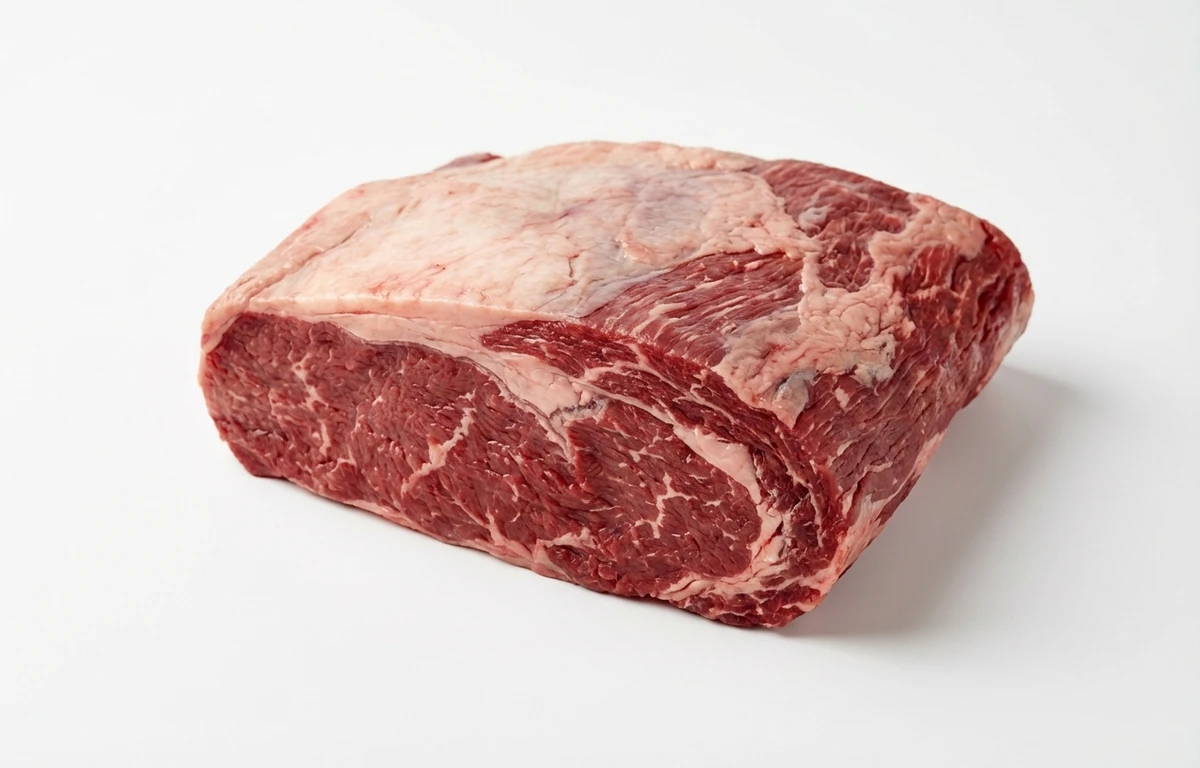
braised beef brisket navel end lean
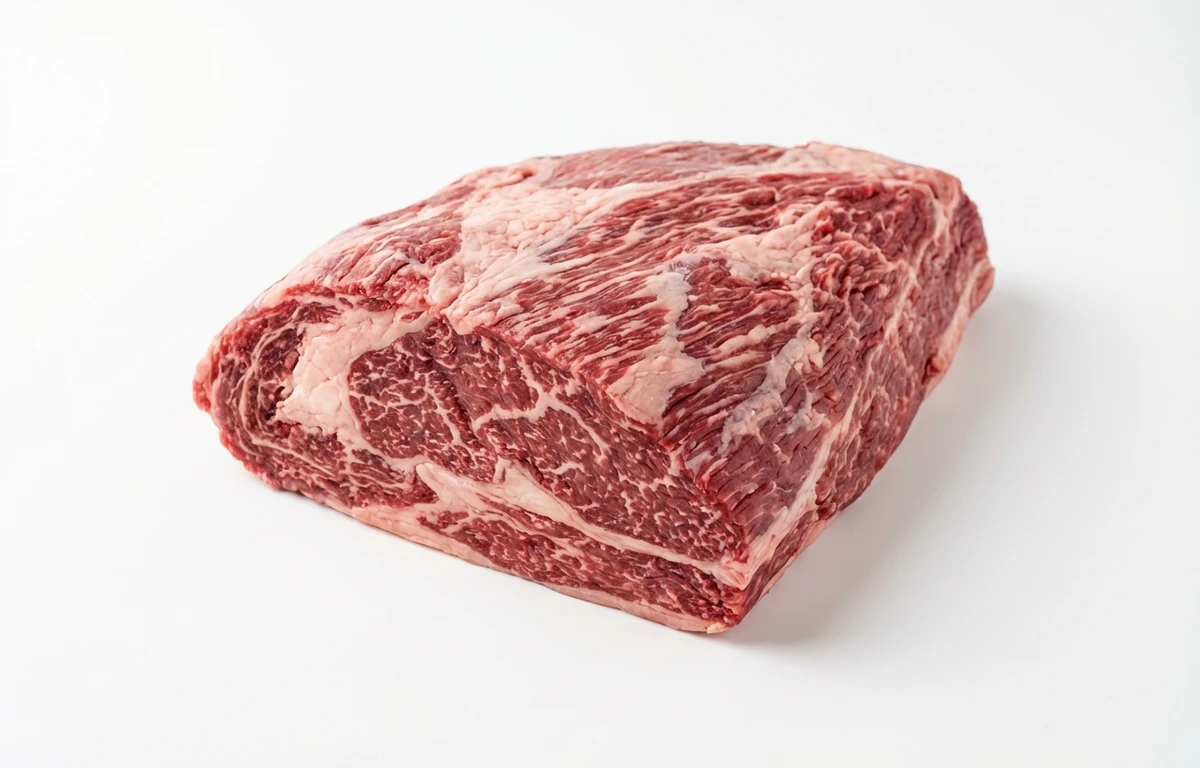
braised beef brisket point end lean
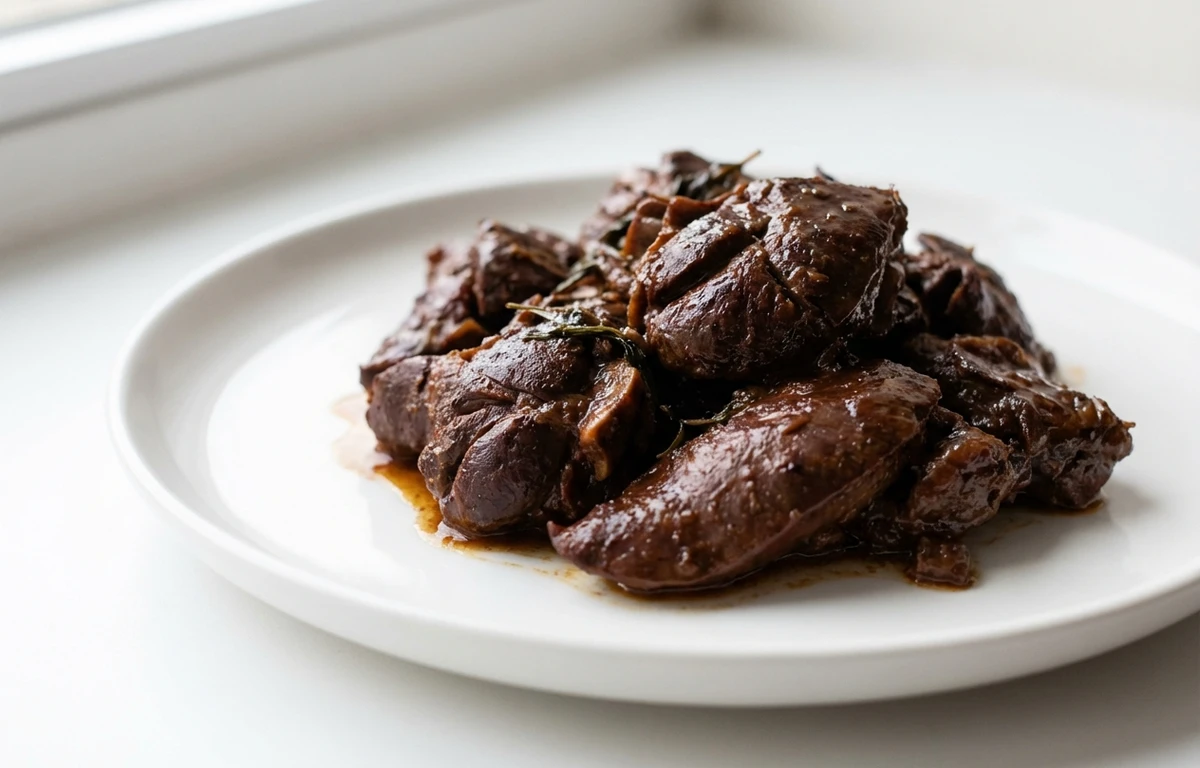
braised cooked lamb lungs
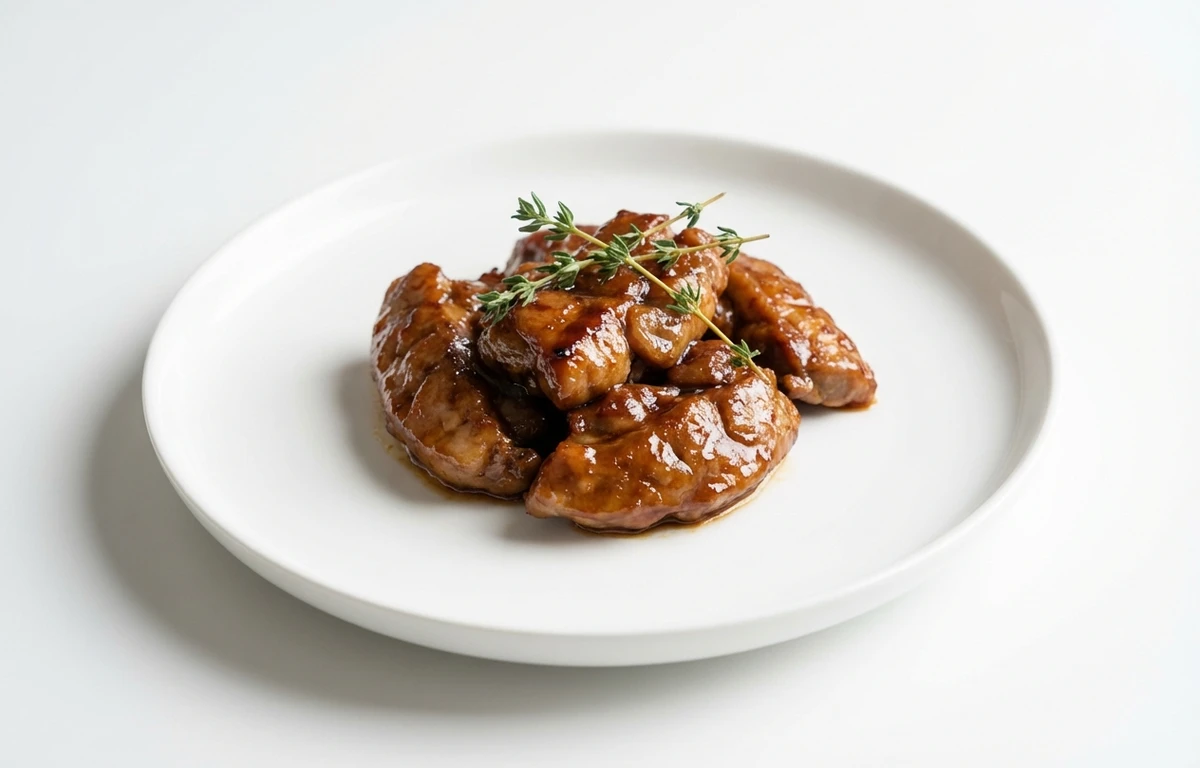
braised cooked lamb pancreas
braised cooked lamb tongue
braised cooked pork kidneys
braised cooked veal thymus
braised cooked veal tongue
braised select bottom round beef steak









