
Oil
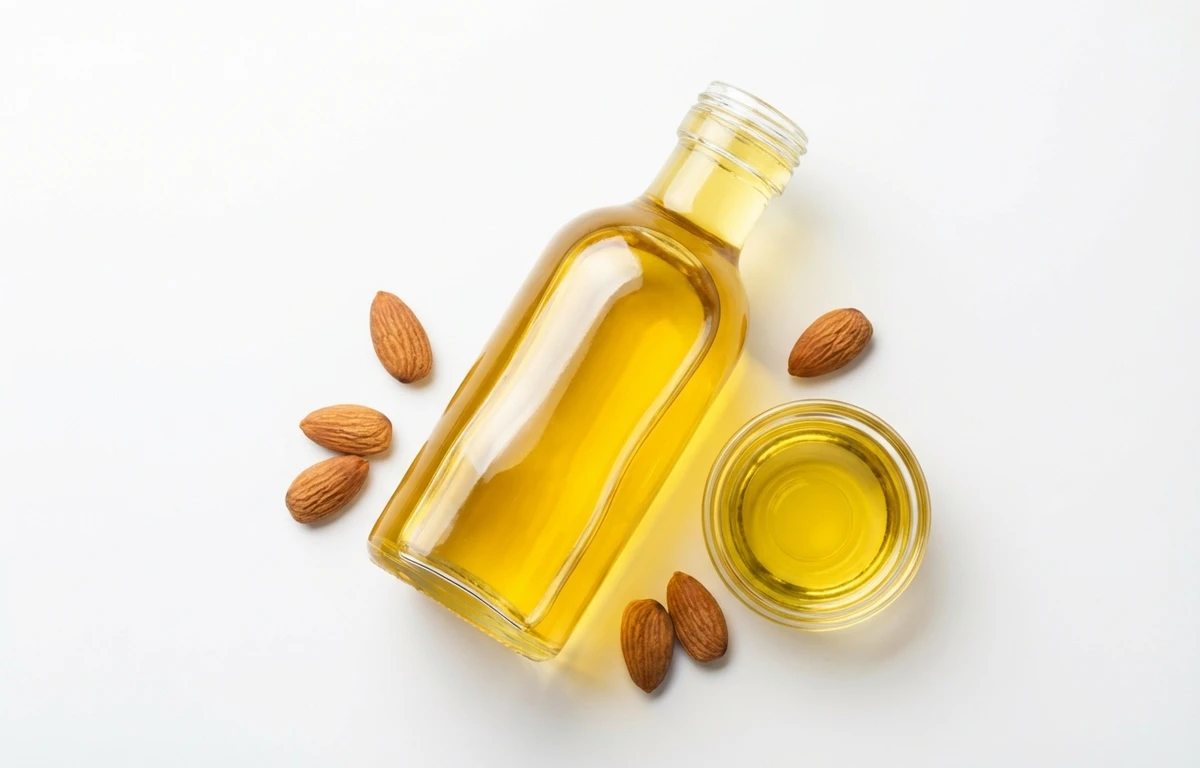
almond oil.
VegetarianVeganGluten-freeDairy-freeNut-freePeanut-freeSoy-freeEgg-freeShellfish-freeHoney-freeAlcohol-free
SERVING
CALORIES
884
PROTEIN
0g
CARBS
0g
FAT
100g
FIBER
0g
NUTRITION PROFILE · per 100 g
Everything in this ingredient.
MACRONUTRIENTS
Calories884kcal—
Protein0g0%
Carbohydrates0g0%
Fiber0g0%
Sugar0g0%
Total fat100g128%
Saturated fat8.2g41%
Cholesterol0mg0%
Water0g—
MINERALS
Sodium0mg0%
Potassium0mg0%
Calcium0mg0%
Iron0mg0%
Magnesium0mg0%
Phosphorus0mg0%
Zinc0mg0%
Copper0mg0%
Selenium0µg0%
VITAMINS
Vitamin A0µg0%
Vitamin C0mg0%
Vitamin D0µg0%
Vitamin E39.2mg261%
Vitamin K7.0µg6%
Thiamin (B1)0mg0%
Riboflavin (B2)0mg0%
Niacin (B3)0mg0%
Pantothenic acid (B5)0mg0%
Vitamin B60mg0%
Folate (B9)0µg0%
Vitamin B120µg0%
%DV based on a 2,000 cal diet. Source: USDA FoodData Central. A dash in the %DV column means there’s no established Daily Value for that nutrient.
MEASUREMENT CONVERSIONS
How much is what.
1 cup218g
1 tablespoon13.6g
1 teaspoon4.5g
1 ml0.9g
1 liter906.7g
HEALTH BENEFITS
Why eat it.
- ✓Rich in monounsaturated fats, which support heart health by helping to lower LDL (bad) cholesterol and raise HDL (good) cholesterol.
- ✓Excellent source of Vitamin E, a powerful antioxidant that protects cells from oxidative damage.
- ✓May aid in blood sugar control due to its healthy fat content, which can slow the absorption of sugar into the bloodstream.
- ✓Supports skin health by providing hydration and antioxidant protection, both when consumed and applied topically.
COOKING TIPS
In the kitchen.
- 1Use refined almond oil for high-heat cooking methods like sautéing, stir-frying, and roasting, as it has a high smoke point (around 420°F or 215°C).
- 2Choose unrefined (cold-pressed) almond oil for its nutty flavor in low-heat applications such as salad dressings, vinaigrettes, and as a finishing oil drizzled over dishes.
- 3Its light, slightly sweet flavor makes it an excellent choice for baking, particularly in cakes, muffins, and cookies, where it can replace butter or other oils.
- 4Incorporate it into marinades for fish or chicken to add moisture and a subtle nutty background note.
STORAGE
Keep it fresh.
- Store in a cool, dark place like a pantry, away from direct sunlight and heat sources to prevent it from going rancid.
- Keep the bottle tightly sealed after each use to minimize exposure to oxygen, which can degrade the oil's quality.
- For long-term storage, especially for unrefined almond oil, refrigeration can extend its shelf life, though it may become cloudy and solidify. Allow it to return to room temperature before use.
FAQ
Frequently asked questions.
Is almond oil healthy?
Yes, almond oil is a heart-healthy fat rich in monounsaturated fats and Vitamin E. It helps reduce inflammation and supports cardiovascular health when used as a replacement for saturated fats in your diet.
What are the primary health benefits of almond oil?
Almond oil is an excellent source of Vitamin E, a powerful antioxidant that protects cells from oxidative damage. It also contains monounsaturated fats that help lower LDL (bad) cholesterol and may assist in stabilizing blood sugar levels.
How many calories and fats are in almond oil?
Almond oil is calorie-dense, containing approximately 884 calories per 100g. It consists of 100% fat, primarily healthy monounsaturated fats, and contains zero carbohydrates or protein.
Is almond oil vegan and gluten-free?
Yes, almond oil is naturally vegan and gluten-free. It is a plant-based fat derived entirely from pressed almonds, making it suitable for both vegan and celiac-friendly diets.
Is almond oil keto-friendly?
Yes, almond oil is highly keto-friendly because it contains zero net carbohydrates and is composed entirely of healthy fats. It is an excellent choice for those on a high-fat, low-carb ketogenic diet.
Can you cook with almond oil?
Yes, but usage depends on the type. Refined almond oil has a high smoke point (around 430°F/221°C) suitable for searing, while unrefined or cold-pressed almond oil is best used for finishing dishes or in salad dressings due to its lower smoke point.
What does almond oil taste like?
Unrefined almond oil has a light, nutty, and slightly sweet flavor that complements baked goods and salads. Refined almond oil is more neutral in taste, making it versatile for various cooking methods without overpowering other ingredients.
Can I use almond oil for skin and hair?
Yes, almond oil is widely used topically for its moisturizing and soothing properties. Its high Vitamin E content helps protect the skin from oxidative damage and acts as a lightweight conditioner for hair.
How should I store almond oil?
Almond oil should be stored in a cool, dark place away from direct sunlight and heat to prevent oxidation. For a longer shelf life, especially for unrefined varieties, refrigeration is recommended.
How long does almond oil last and how do I know if it is spoiled?
Properly stored almond oil typically lasts 6 to 12 months. You can tell it has spoiled if it develops a sharp, bitter, or soapy smell, indicating that the fats have gone rancid.



















