
food additive1 recipes
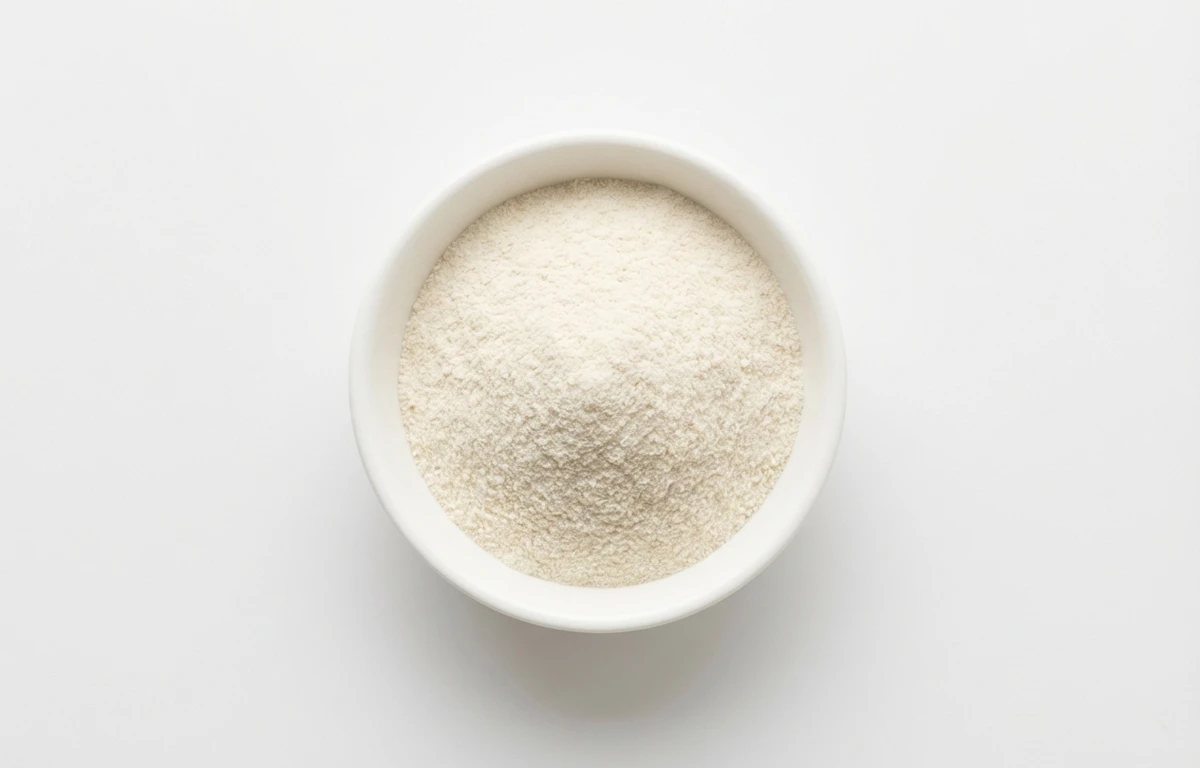
alpha-amylase enzyme.
VegetarianVeganGluten-freeDairy-freeNut-freePeanut-freeSoy-freeEgg-freeShellfish-freeHoney-freeAlcohol-freeFermented
ALSO KNOWN AS
amylasediastase1,4-alpha-D-glucan glucanohydrolase
SERVING
CALORIES
390
PROTEIN
97.5g
CARBS
0g
FAT
0g
FIBER
0g
NUTRITION PROFILE · per 100 g
Everything in this ingredient.
MACRONUTRIENTS
Calories390kcal—
Protein97.5g195%
Carbohydrates0g0%
Fiber0g0%
Sugar0g0%
Total fat0g0%
Saturated fat0g0%
Trans fat0g—
Cholesterol0mg0%
Water2.0g—
MINERALS
Sodium100mg4%
%DV based on a 2,000 cal diet. Source: USDA FoodData Central. A dash in the %DV column means there’s no established Daily Value for that nutrient.
MEASUREMENT CONVERSIONS
How much is what.
1 cup145g
1 tablespoon9g
1 teaspoon3g
1 oz28.4g
1 lb453.6g
1 ml0.6g
1 liter600g
HEALTH BENEFITS
Why eat it.
- ✓Aids in the breakdown of complex carbohydrates
- ✓Improves digestive efficiency in the small intestine
- ✓Used medically to treat pancreatic insufficiency
- ✓Enhances nutrient bioavailability from starchy foods
- ✓Reduces symptoms of bloating associated with starch malabsorption
COOKING TIPS
In the kitchen.
- 1Add to bread dough to improve crust browning and loaf volume
- 2Maintain temperatures below 70°C (158°F) to prevent enzyme denaturation
- 3Use in very small quantities as it is highly concentrated
STORAGE
Keep it fresh.
- Store in a cool, dry place away from direct sunlight
- Keep the container airtight to prevent moisture clumping
- Refrigeration is recommended for long-term stability of enzyme activity
FAQ
Frequently asked questions.
What is alpha-amylase used for in food?
It is primarily used to break down starches into simpler sugars, which helps in bread making (for better rise and color) and brewing (to create fermentable sugars).
Is alpha-amylase vegan?
Yes, most commercial alpha-amylase used in the food industry is derived from fungal sources like Aspergillus oryzae or bacterial sources like Bacillus subtilis.
How long does alpha-amylase powder last?
When stored in a cool, dry environment, it typically maintains its potency for 12 to 24 months.
Can I freeze alpha-amylase?
Yes, freezing can preserve enzyme activity for longer periods, provided it is kept in a moisture-proof container to prevent condensation.
What can I use as a substitute for alpha-amylase in baking?
Diastatic malt powder or malted barley flour are the most common substitutes as they naturally contain high levels of amylase enzymes.
Does heat affect alpha-amylase?
Yes, alpha-amylase is heat-sensitive. It works best at warm temperatures (30-60°C) but will denature and stop working if heated above 70-75°C.
Is alpha-amylase gluten-free?
The enzyme itself is a protein and gluten-free, but check the label for carriers like wheat starch which are sometimes used in commercial blends.
How do I know if my amylase is still active?
You can test it by mixing a small amount with a warm starch paste (like cooked cornstarch); if it liquefies the paste quickly, the enzyme is active.
RECIPES
Cook with alpha-amylase enzyme.
1 recipes · sorted by what’s quick



















