
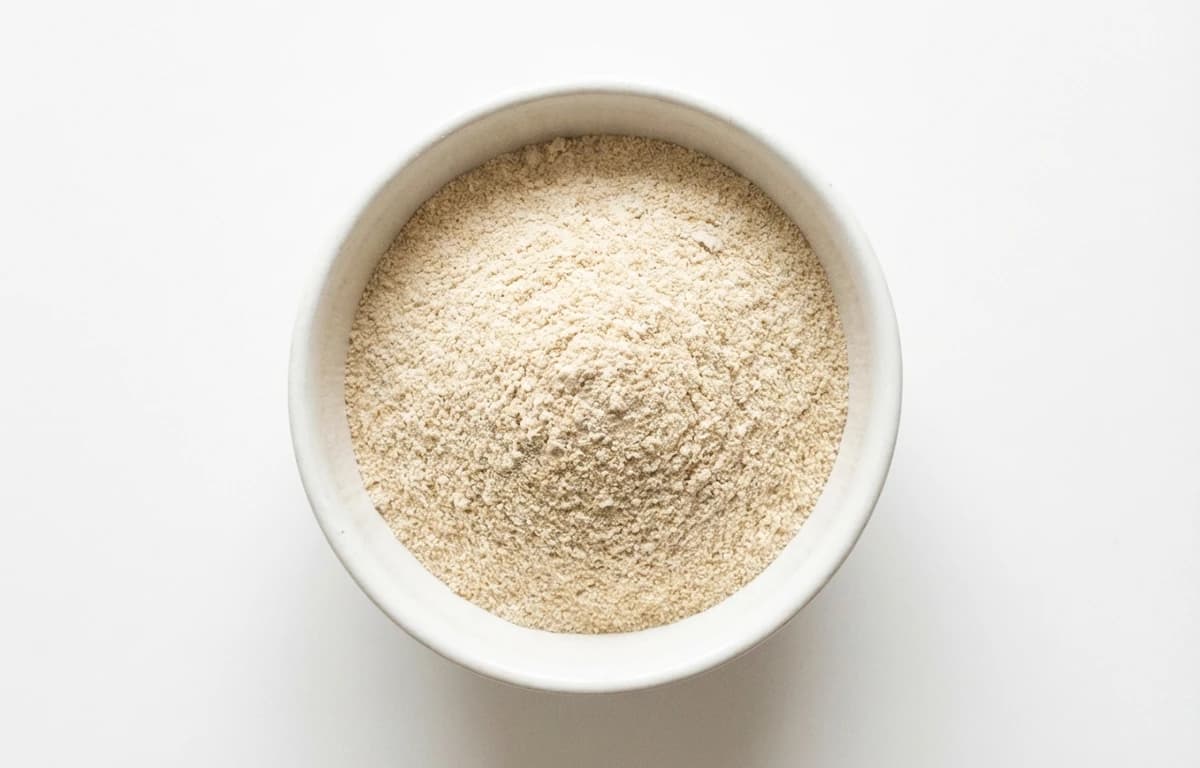
amaranth flour
Also known as: amaranth meal
Loading...
Also known as: amaranth meal
Per 100g
Nutrition data source: USDA FoodData Central
Common measurement equivalents in grams
Yes, amaranth flour is highly nutritious. It is a complete protein source containing all nine essential amino acids and is rich in minerals like iron, magnesium, and phosphorus, which support bone health and energy levels.
Amaranth flour contains approximately 14.5 grams of protein per 100 grams. This is significantly higher than most traditional cereal grains, making it an excellent plant-based protein source for muscle repair and growth.
Yes, amaranth flour is naturally gluten-free. It is a safe and nutrient-dense alternative for individuals with celiac disease, non-celiac gluten sensitivity, or those simply looking to avoid gluten in their diet.
Amaranth flour has a distinct, earthy, and slightly nutty flavor. Some people also describe it as having a mild peppery or malt-like undertone, which adds a unique depth to baked goods and savory dishes.
It is generally not recommended to use 100% amaranth flour as a direct substitute for wheat flour because it lacks gluten for structure. For best results, replace about 25% of the flour in a recipe with amaranth flour or combine it with other gluten-free binders.
No, amaranth flour is not considered keto-friendly. With approximately 65.3 grams of carbohydrates per 100 grams, it is too high in carbs for a strict ketogenic diet, though it is a healthy complex carbohydrate for other dietary patterns.
Because of its relatively high fat content (6.5g per 100g), amaranth flour can go rancid. Store it in an airtight container in a cool, dark place for up to 6 months, or in the refrigerator or freezer to extend its shelf life.
amaranth flour is a versatile ingredient found in cuisines around the world. With 374 calories per 100g and 14.5 grams of protein, it's a nutritious addition to many dishes.
Explore more ingredients in the grain category with complete nutrition information.
View all grain →Discover 0 recipes featuring amaranth flour with step-by-step instructions.
Browse recipes →Amaranth flour can support weight loss due to its high fiber content, which promotes satiety and helps you feel full longer. However, it is calorie-dense at 374 calories per 100g, so it should be consumed in moderation.
Unlike many other grains, amaranth contains all nine essential amino acids that the body cannot produce on its own. This includes lysine, an amino acid often missing in other grains, making it a superior protein source for vegetarians and vegans.
Amaranth flour is best used in pancakes, muffins, crackers, and flatbreads. It can also be used as a nutritious thickening agent for soups, stews, and sauces due to its fine texture and binding properties.