Other
amaranth greens.
VegetarianVeganGluten-freeDairy-freeNut-freePeanut-freeSoy-freeEgg-freeShellfish-freeHoney-freeAlcohol-free
ALSO KNOWN AS
keerai
SERVING
CALORIES
23
PROTEIN
2.5g
CARBS
3.5g
FAT
0.40g
FIBER
2.1g
NUTRITION PROFILE · per 100 g
Everything in this ingredient.
MACRONUTRIENTS
Calories23kcal—
Protein2.5g5%
Carbohydrates3.5g1%
Fiber2.1g8%
Sugar0.70g1%
Total fat0.40g1%
Saturated fat0.10g1%
Cholesterol0mg0%
Water92.2g—
MINERALS
Sodium21mg1%
Potassium342mg7%
Calcium215mg17%
Iron2.3mg13%
Magnesium59mg14%
Phosphorus49mg4%
Zinc0.40mg4%
Copper0.10mg11%
Manganese0.40mg17%
Selenium0.90µg2%
VITAMINS
Vitamin A156µg17%
Vitamin C36.7mg41%
Vitamin E1.1mg7%
Vitamin K1140µg950%
Thiamin (B1)0.06mg5%
Riboflavin (B2)0.10mg8%
Niacin (B3)0.80mg5%
Vitamin B60.20mg12%
Folate (B9)147µg37%
Vitamin B120µg0%
%DV based on a 2,000 cal diet. Source: USDA FoodData Central. A dash in the %DV column means there’s no established Daily Value for that nutrient.
MEASUREMENT CONVERSIONS
How much is what.
1 cup28g
1 tablespoon1.8g
1 teaspoon0.6g
1 ml0.1g
1 liter116.7g
HEALTH BENEFITS
Why eat it.
- ✓Extremely rich in Vitamin K, crucial for blood clotting and bone health.
- ✓Excellent source of Vitamin A and Vitamin C, which support immune function and act as powerful antioxidants.
- ✓High in essential minerals like calcium, iron, magnesium, and potassium, supporting bone density and cardiovascular health.
- ✓Contains dietary fiber, which aids in digestion, promotes satiety, and helps regulate blood sugar levels.
- ✓Provides a good source of lysine, an essential amino acid that is often limited in plant-based diets.
COOKING TIPS
In the kitchen.
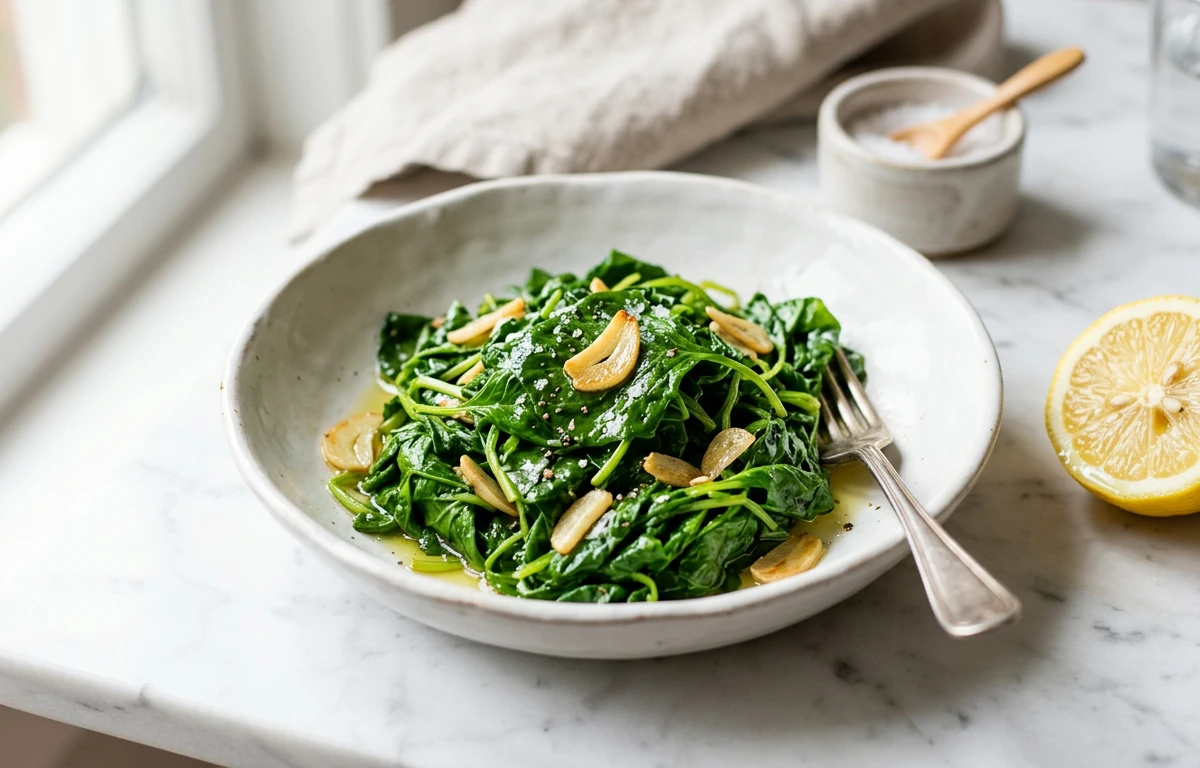
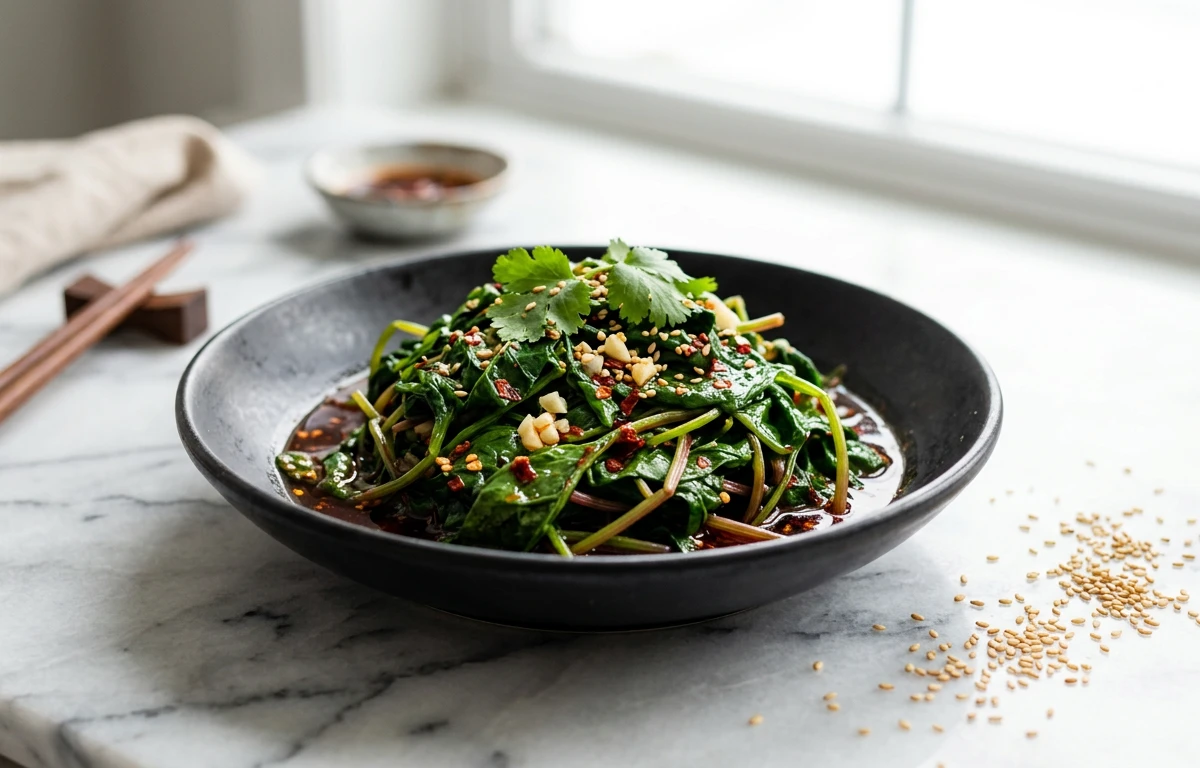
- 1Sauté with garlic, ginger, and a touch of soy sauce or coconut milk for a quick and flavorful side dish, similar to spinach.
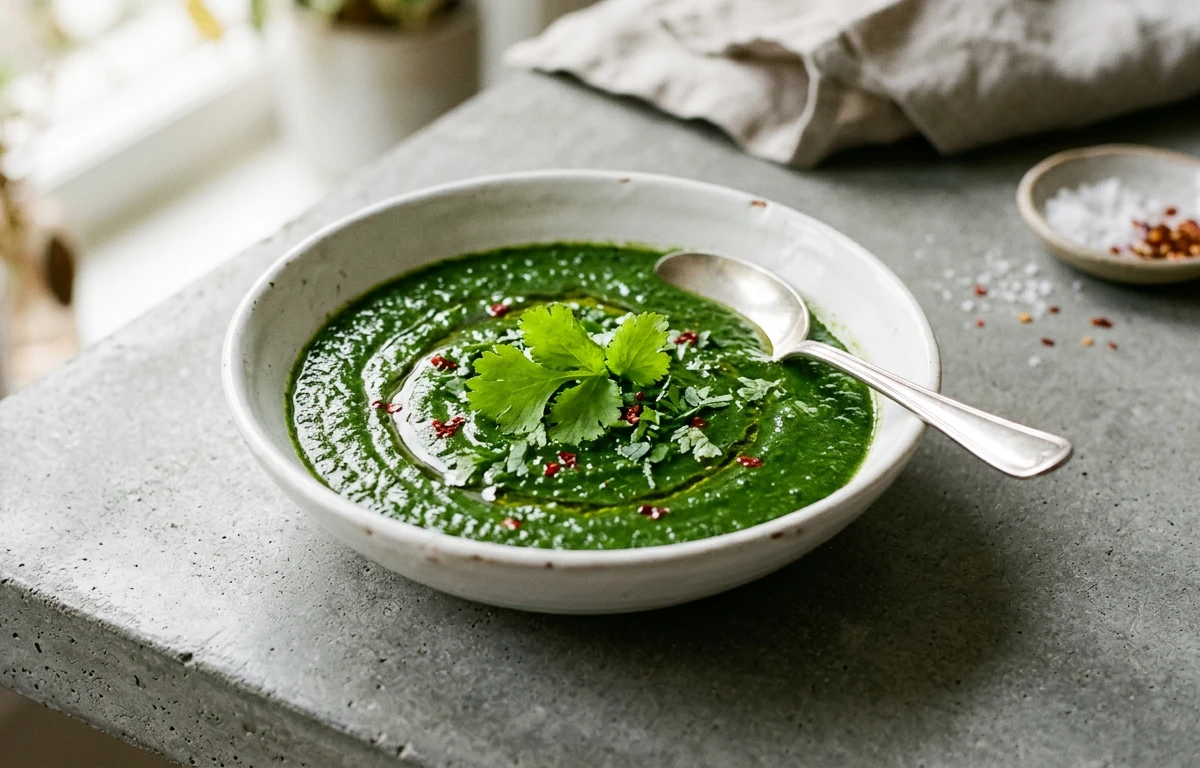
- 2Add chopped greens to soups, stews, curries, and lentil dishes during the last 5-10 minutes of cooking to add nutrients and flavor.
- 3Young, tender leaves can be used raw in salads, adding a slightly tangy and earthy flavor.
- 4Steam the greens until just wilted (about 3-5 minutes) and season with lemon juice, salt, and a drizzle of olive oil for a simple preparation.
STORAGE
Keep it fresh.
- Wrap unwashed amaranth greens in a damp paper towel, place in a plastic bag, and store in the refrigerator's crisper drawer for up to 5 days.
- For long-term storage, blanch the leaves for 2 minutes, shock them in an ice bath, drain thoroughly, and freeze in an airtight container for up to 6 months.
FAQ
Frequently asked questions.
Are amaranth greens healthy?
Yes, amaranth greens are highly nutritious and low in calories, providing only 23 calories per 100g. They are packed with vitamins K, A, and C, along with essential minerals like iron and calcium, making them excellent for bone health and immune support.
What are the main health benefits of amaranth greens?
They are extremely rich in Vitamin K, which is crucial for blood clotting and bone density. They also provide powerful antioxidants from Vitamins A and C, and contain lysine, an essential amino acid often missing in other plant-based foods.
How much protein and calories are in amaranth greens?
100g of amaranth greens contains approximately 23 calories and 2.5g of protein. While low in total calories, they offer a higher protein-to-calorie ratio than many other leafy vegetables, making them a nutrient-dense choice.
Are amaranth greens keto-friendly?
Yes, they are very keto-friendly. With only 3.5g of carbohydrates and significant fiber per 100g, they have a very low net carb count, making them ideal for low-carb and ketogenic diets.
Are amaranth greens vegan and gluten-free?
Yes, amaranth greens are naturally vegan and gluten-free. They are a plant-based vegetable and do not contain any animal products or gluten proteins, making them safe for those with celiac disease or gluten sensitivities.
How do you cook amaranth greens?
They are most commonly sautéed with garlic and oil, added to soups, or used in stir-fries. They cook very quickly, similar to spinach, and are a staple in traditional Indian dal and Caribbean callaloo dishes.
What do amaranth greens taste like?
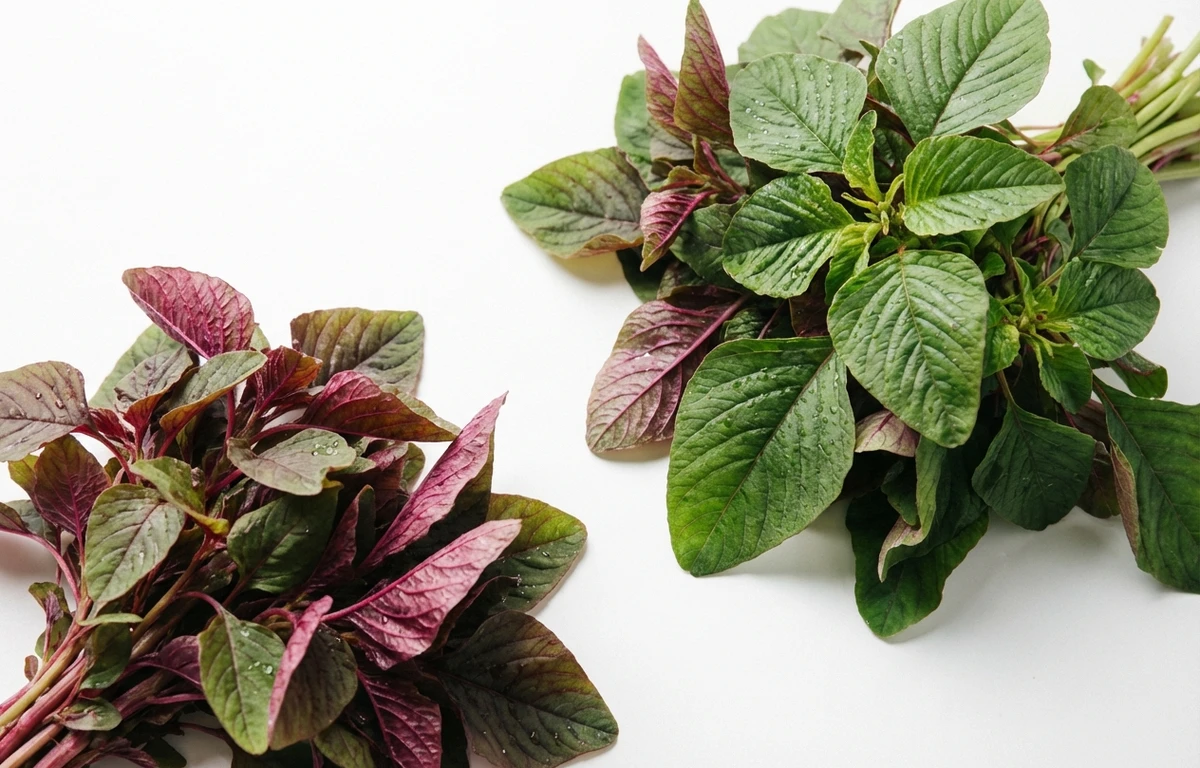
Amaranth greens have a mild, earthy flavor similar to spinach but with a slightly sweet or nutty undertone. The red-leafed varieties tend to have a deeper, more robust flavor than the green varieties.
Can you eat amaranth greens raw?
Yes, young and tender amaranth leaves can be eaten raw in salads. However, older leaves can be slightly tough and are usually better when steamed, sautéed, or boiled to improve texture and digestibility.
How do you store amaranth greens and how long do they last?
Store unwashed amaranth greens in a breathable bag in the refrigerator's crisper drawer. They are delicate and typically last for 3 to 5 days; it is best to wash them only immediately before use to prevent premature spoilage.
Do amaranth greens contain oxalates?
Like spinach and beet greens, amaranth greens contain oxalates, which can interfere with calcium absorption and may be a concern for individuals prone to kidney stones. Boiling or steaming the greens can help reduce the oxalate levels significantly.
RECIPES
Cook with amaranth greens.
0 recipes · sorted by what’s quick