
Other4 recipes
american ale yeast.
VegetarianVeganGluten-freeDairy-freeNut-freePeanut-freeSoy-freeEgg-freeShellfish-freeHoney-freeAlcohol-free
ALSO KNOWN AS
ale yeastbrewer's yeastsaccharomyces cerevisiae
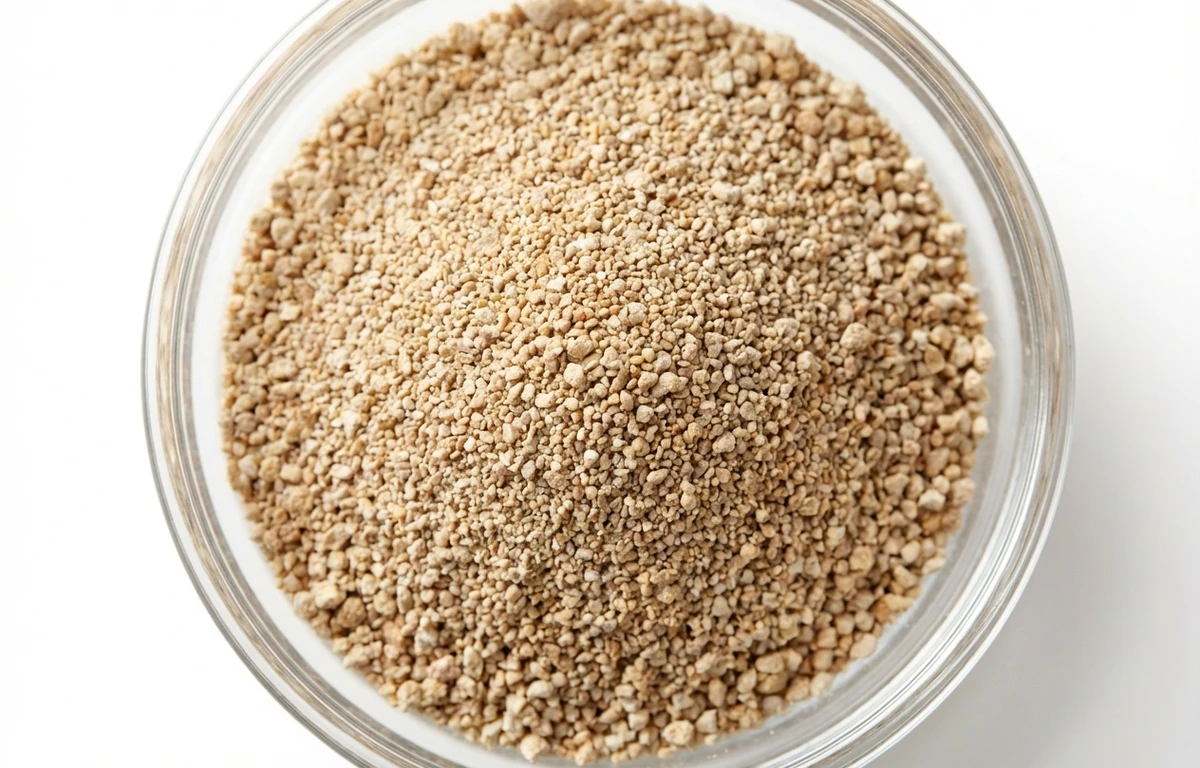
SERVING
CALORIES
325
PROTEIN
38.3g
CARBS
38.3g
FAT
6.3g
FIBER
28.3g
NUTRITION PROFILE · per 100 g
Everything in this ingredient.
MACRONUTRIENTS
Calories325kcal—
Protein38.3g77%
Carbohydrates38.3g14%
Fiber28.3g101%
Sugar0.50g1%
Total fat6.3g8%
Saturated fat1.5g8%
Cholesterol0mg0%
Water7.0g—
MINERALS
Sodium45mg2%
Potassium1500mg32%
Calcium40mg3%
Iron4.0mg22%
Magnesium40mg10%
Phosphorus330mg26%
Zinc5.0mg45%
Copper0.20mg22%
Selenium42µg76%
VITAMINS
Vitamin A0µg0%
Vitamin C0mg0%
Vitamin D0µg0%
Vitamin K1.0µg1%
Thiamin (B1)3.9mg325%
Riboflavin (B2)1.5mg115%
Niacin (B3)16.6mg104%
Vitamin B616.6mg976%
Folate (B9)1050µg263%
%DV based on a 2,000 cal diet. Source: USDA FoodData Central. A dash in the %DV column means there’s no established Daily Value for that nutrient.
MEASUREMENT CONVERSIONS
How much is what.
1 cup144g
1 tablespoon9g
1 teaspoon3g
1 ml0.6g
1 liter600g
1 piece5g
HEALTH BENEFITS
Why eat it.
- ✓As brewer's yeast, it is a rich source of B-complex vitamins (excluding B12), essential for energy metabolism.
- ✓Contains trace minerals like chromium, which may aid in maintaining normal blood sugar levels.
- ✓Provides selenium, an antioxidant that helps protect cells from damage and supports immune function.
- ✓Can be a source of protein and essential amino acids, contributing to tissue repair and growth.
COOKING TIPS
In the kitchen.
- 1For brewing, pitch yeast into well-aerated wort at the strain's recommended temperature (typically 65-72°F or 18-22°C for American ale yeast) to ensure a clean fermentation.
- 2When using dry yeast, rehydrating it in a small amount of lukewarm sterile water for 15-30 minutes before pitching can improve its performance and viability.
- 3For high-gravity beers (stronger beers), it is highly recommended to make a yeast starter to build up a large, healthy population of yeast cells before fermentation.
- 4American ale yeast is known for producing a clean, neutral flavor profile, making it ideal for hop-forward styles like American Pale Ale and IPA.
STORAGE
Keep it fresh.
- Store dry yeast packets in a cool, dark place. For long-term storage (over 6 months), keep them in the refrigerator or freezer.
- Keep liquid yeast vials or packs refrigerated (34-40°F or 1-4°C) at all times and use by the manufacturer's recommended date for optimal viability.
FAQ
Frequently asked questions.
Is American ale yeast healthy?
Yes, American ale yeast is a nutrient-dense ingredient. It is a rich source of B-complex vitamins for energy metabolism and contains essential minerals like selenium and chromium, which support immune function and blood sugar regulation.
How much protein is in American ale yeast?
American ale yeast is very high in protein, providing approximately 38.3 grams per 100g. This makes it an excellent source of essential amino acids necessary for tissue repair and muscle growth.
Is American ale yeast vegan?
Yes, American ale yeast is vegan. It is a single-celled fungus (Saccharomyces cerevisiae) and does not contain any animal products or byproducts, making it suitable for plant-based diets.
Is American ale yeast gluten-free?
Pure yeast is naturally gluten-free. However, if the yeast is a byproduct of the brewing process, it may contain trace amounts of gluten from barley or malt. Always check the packaging for a gluten-free certification if you have a sensitivity.
What is American ale yeast primarily used for?
It is most commonly used in brewing to produce 'clean' beer styles like Pale Ales and IPAs. It is prized for its ability to ferment sugars into alcohol with a neutral flavor profile that allows the hops and malts to be the primary focus.
Can I use American ale yeast for baking bread?
Technically yes, but it is not recommended. American ale yeast is optimized for alcohol production and liquid fermentation; using it in dough may result in a much slower rise and a different texture compared to dedicated baker's yeast.
What does American ale yeast taste like?
American ale yeast has a very neutral and clean flavor profile. Unlike other yeast strains that produce fruity or spicy notes, this yeast is designed to be unobtrusive, contributing only a mild bready character to the finished product.
How should I store American ale yeast?
It should be stored in the refrigerator at temperatures between 34°F and 40°F (1°C–4°C). Dry yeast should be kept in an airtight container to prevent moisture from activating it prematurely, while liquid yeast should be used as fresh as possible.
How long does American ale yeast last?
Dry American ale yeast can last for 1 to 2 years if kept sealed and refrigerated. Liquid yeast has a shorter shelf life, typically remaining highly viable for 3 to 6 months before the cell count begins to decline significantly.
Is American ale yeast keto-friendly?
Yes, it can be considered keto-friendly because it is used in very small quantities. While it contains 38.3g of carbs per 100g, a typical serving size is only a few grams, resulting in a negligible impact on daily carbohydrate intake.
RECIPES
Cook with american ale yeast.
4 recipes · sorted by what’s quick



















