
legume product
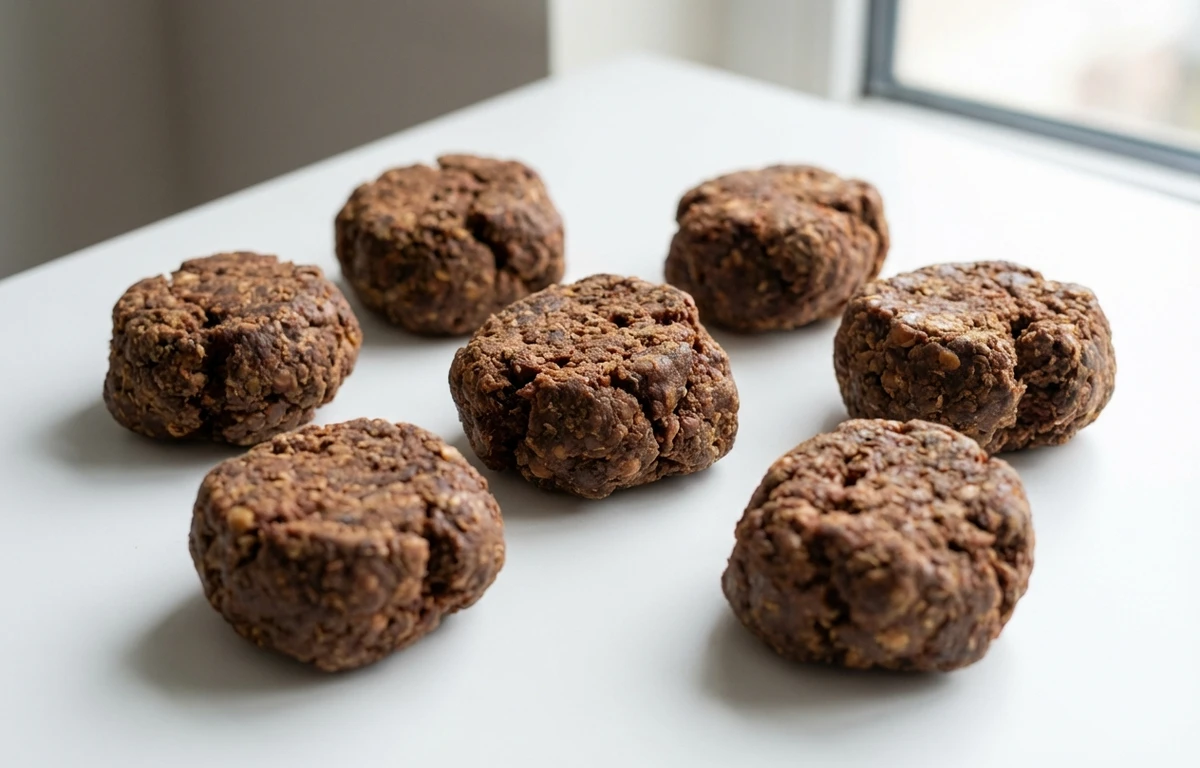
Amritsari Wadi.
VegetarianVeganGluten-freeDairy-freeNut-freePeanut-freeSoy-freeEgg-freeShellfish-freeHoney-freeAlcohol-free
SERVING
CALORIES
355
PROTEIN
26g
CARBS
58g
FAT
1.5g
FIBER
16g
NUTRITION PROFILE · per 100 g
Everything in this ingredient.
MACRONUTRIENTS
Calories355kcal—
Protein26g52%
Carbohydrates58g21%
Fiber16g57%
Sugar2.5g5%
Total fat1.5g2%
Saturated fat0.30g2%
Water8.0g—
MINERALS
Sodium650mg28%
Potassium980mg21%
Calcium140mg11%
Iron7.5mg42%
Magnesium240mg57%
Phosphorus340mg27%
Zinc2.8mg25%
Copper0.70mg78%
Manganese1.4mg61%
Selenium5.0µg9%
VITAMINS
Thiamin (B1)0.40mg33%
Riboflavin (B2)0.20mg15%
Niacin (B3)2.0mg13%
Pantothenic acid (B5)0.50mg10%
Vitamin B60.30mg18%
Folate (B9)300µg75%
%DV based on a 2,000 cal diet. Source: USDA FoodData Central. A dash in the %DV column means there’s no established Daily Value for that nutrient.
MEASUREMENT CONVERSIONS
How much is what.
1 oz3.5g
1 lb0.2g
1 piece12g
HEALTH BENEFITS
Why eat it.
- ✓Excellent source of plant-based protein, essential for muscle repair and growth.
- ✓High in dietary fiber, aiding digestion and promoting satiety.
- ✓Rich in iron, crucial for red blood cell formation and preventing anemia.
- ✓Provides essential minerals like potassium, magnesium, and phosphorus.
- ✓Good source of B vitamins, supporting energy metabolism.
COOKING TIPS
In the kitchen.
- 1Always fry or roast wadi in a little oil until golden brown before adding to curries to enhance flavor and texture.
- 2Wadi absorbs flavors well, so it's best cooked in a rich gravy or stew.
- 3Soak wadi in warm water for 15-20 minutes before frying if a softer texture is desired.
STORAGE
Keep it fresh.
- Store in an airtight container in a cool, dry place away from direct sunlight.
- Properly stored, Amritsari wadi can last for several months to a year.
- Avoid exposure to moisture to prevent spoilage and maintain crispness.
FAQ
Frequently asked questions.
Is Amritsari Wadi healthy?
Yes, Amritsari Wadi is a nutrient-dense legume product. It is an excellent source of plant-based protein and dietary fiber, which supports muscle repair and digestive health, while being very low in fat.
How much protein is in Amritsari Wadi?
Amritsari Wadi is highly protein-efficient, providing approximately 26 grams of protein per 100-gram serving. This makes it a superior plant-based protein source for vegetarians, comparable to many meats.
Is Amritsari Wadi vegan?
Yes, Amritsari Wadi is typically vegan as it is made from ground Urad dal (black gram), water, and a blend of spices. It contains no dairy or animal products, though you should always check labels for cross-contamination.
Is Amritsari Wadi gluten-free?
While the main ingredient is lentil flour, many traditional recipes include 'hing' (asafoetida), which often contains wheat flour. If you are gluten-sensitive, look for versions specifically labeled gluten-free or made without wheat-based hing.
How do you cook Amritsari Wadi?
First, break the wadi into small chunks and lightly fry them in oil until golden brown to release their aroma. Then, add them to curries, stews, or rice dishes and simmer until they become soft and absorb the surrounding flavors.
What does Amritsari Wadi taste like?
It has a robust, savory, and slightly fermented earthy flavor. Because it is heavily spiced with black pepper and chilies, it is quite pungent and spicy, adding a deep 'umami' quality to vegetarian dishes.
Is Amritsari Wadi good for weight loss?
It can be a helpful addition to a weight loss diet because its high fiber and protein content promote satiety and keep you full longer. However, it is calorie-dense at 355 calories per 100g, so it should be consumed in moderate portions.
Can I eat Amritsari Wadi raw?
No, you should not eat Amritsari Wadi raw. It is a sun-dried product made from raw lentil paste and is extremely hard; it requires frying and simmering to become digestible and palatable.
How do you store Amritsari Wadi and how long does it last?
Store them in an airtight container in a cool, dry place to prevent them from absorbing moisture. When kept away from humidity, they have an excellent shelf life and can last for up to 12 months.
What are the main health benefits of Amritsari Wadi?
Beyond protein, it is rich in iron for red blood cell health and B vitamins for energy metabolism. It also provides essential minerals like potassium and magnesium, which are vital for heart and bone health.
RECIPES
Cook with amritsari wadi.
0 recipes · sorted by what’s quick
SAME CATEGORY



















