vegetable
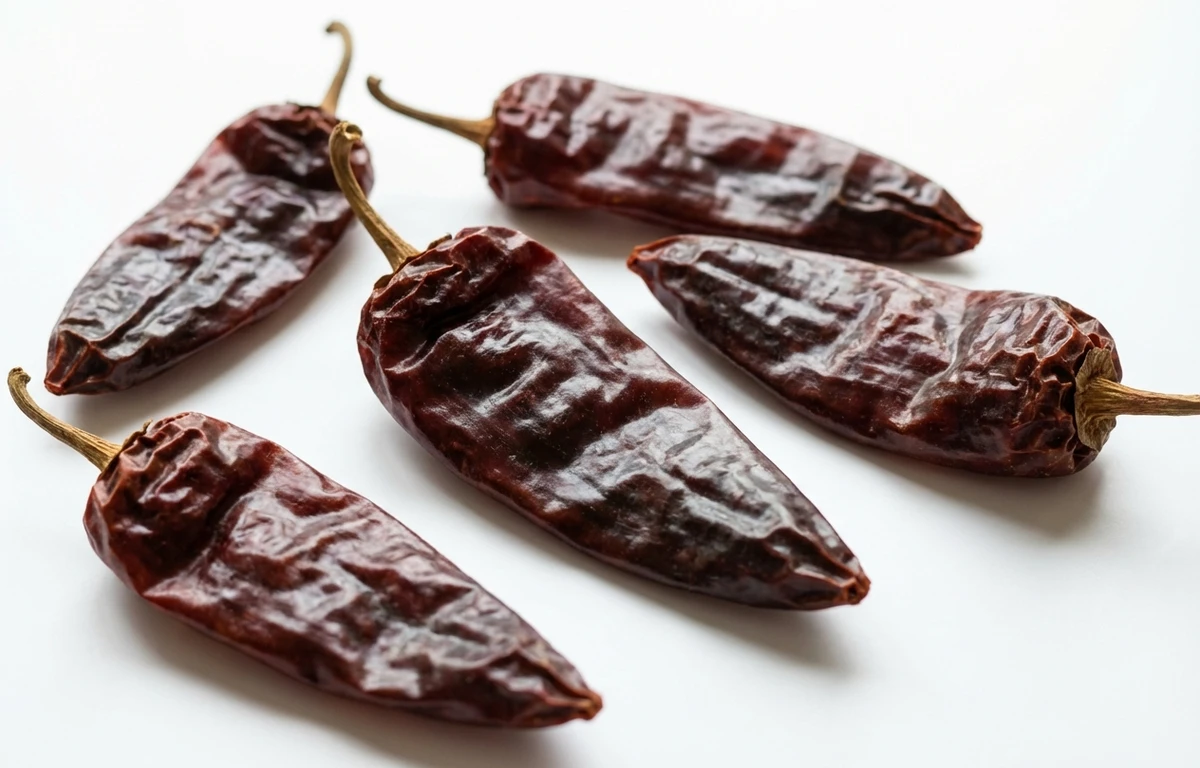
Ancho Chiles, Dried.
VegetarianVeganGluten-freeDairy-freeNut-freePeanut-freeSoy-freeEgg-freeShellfish-freeHoney-freeAlcohol-free
SERVING
CALORIES
358
PROTEIN
12g
CARBS
55g
FAT
10g
FIBER
28g
NUTRITION PROFILE · per 100 g
Everything in this ingredient.
MACRONUTRIENTS
Calories358kcal—
Protein12g24%
Carbohydrates55g20%
Fiber28g100%
Sugar22g44%
Total fat10g13%
Saturated fat1.5g8%
Cholesterol0mg0%
Water10g—
MINERALS
Sodium60mg3%
Potassium1800mg38%
Calcium150mg12%
Iron7.0mg39%
Magnesium180mg43%
Phosphorus250mg20%
Zinc1.5mg14%
Copper0.50mg56%
Manganese1.0mg43%
Selenium5.0µg9%
VITAMINS
Vitamin A1500µg167%
Vitamin C15mg17%
Vitamin E3.0mg20%
Vitamin K50µg42%
Thiamin (B1)0.30mg25%
Riboflavin (B2)0.40mg31%
Niacin (B3)8.0mg50%
Pantothenic acid (B5)1.5mg30%
Vitamin B60.80mg47%
Folate (B9)100µg25%
%DV based on a 2,000 cal diet. Source: USDA FoodData Central. A dash in the %DV column means there’s no established Daily Value for that nutrient.
MEASUREMENT CONVERSIONS
How much is what.
1 oz28.4g
1 lb453.6g
1 piece8g
HEALTH BENEFITS
Why eat it.
- ✓Rich in antioxidants, protecting cells from damage.
- ✓High in Vitamin A, supporting vision and immune function.
- ✓Contains capsaicin, which may have anti-inflammatory properties.
- ✓Good source of dietary fiber, aiding digestive health.
- ✓Provides essential minerals like potassium and iron.
COOKING TIPS
In the kitchen.
- 1Rehydrate by soaking in hot water for 20-30 minutes before use.
- 2Remove stems and seeds for a milder flavor; toast lightly before rehydrating for deeper flavor.
- 3Often used in moles, sauces, stews, and rubs for a rich, fruity, and mildly spicy flavor.
STORAGE
Keep it fresh.
- Store in an airtight container in a cool, dark, dry place.
- Properly stored, dried chiles can last for up to 1-2 years.
- Avoid exposure to direct sunlight or humidity to prevent spoilage.
FAQ
Frequently asked questions.
Are dried ancho chiles healthy?
Yes, dried ancho chiles are very healthy. They are rich in antioxidants that protect cells from damage and are high in Vitamin A, which supports vision and immune function. They also contain capsaicin, which has anti-inflammatory properties.
How many calories and carbs are in dried ancho chiles?
Per 100g, dried ancho chiles contain approximately 285 calories, 55g of carbohydrates, 12g of protein, and 10g of fat. Because they are typically used in small quantities, their caloric contribution to a single serving of a meal is relatively low.
Are dried ancho chiles keto-friendly?
Yes, they can be keto-friendly when used as a seasoning. While they have 55g of carbs per 100g, a single dried chile weighs only about 10-15g, contributing roughly 5-8g of carbs to an entire pot of sauce or chili.
Are dried ancho chiles vegan and gluten-free?
Yes, dried ancho chiles are a natural, single-ingredient plant product that is both vegan and gluten-free. If buying pre-ground ancho powder, always check the label to ensure no gluten-containing anti-caking agents have been added.
What do ancho chiles taste like?
Ancho chiles have a mild, sweet, and smoky flavor profile with distinct notes of raisins, dried plums, and chocolate. They are the dried version of a ripe poblano pepper and are known for adding depth and richness rather than intense heat.
How spicy are dried ancho chiles?
Ancho chiles are quite mild, measuring between 1,000 and 2,000 on the Scoville scale. They provide a gentle, warm heat that is much lower than a jalapeño, making them accessible for people who prefer flavorful but not overly spicy food.
How do you prepare dried ancho chiles for cooking?
To prepare them, remove the stems and seeds, then toast the skins in a dry skillet for about 30 seconds per side until fragrant. Soak the toasted chiles in hot water for 15-20 minutes until soft before blending them into sauces or pastes.
What can I substitute for ancho chiles?
The best substitutes are Mulato or Pasilla chiles, which offer similar dark, fruity, and smoky notes. If those are unavailable, Guajillo chiles can be used, though they are slightly more acidic and less sweet than anchos.
How should I store dried ancho chiles and how long do they last?
Store them in an airtight container or heavy-duty zip-top bag in a cool, dark, and dry place. When stored correctly, they will maintain their best flavor for 6 to 12 months; they are still safe to eat after that but may lose their potency.
How do I know if a dried ancho chile is still fresh?
A fresh dried ancho should be slightly pliable and leathery, similar to a large raisin, and have a strong, fruity aroma. If the chile is extremely brittle, shatters easily, or has lost its scent, it is likely old and will have less flavor.