Other6 recipes
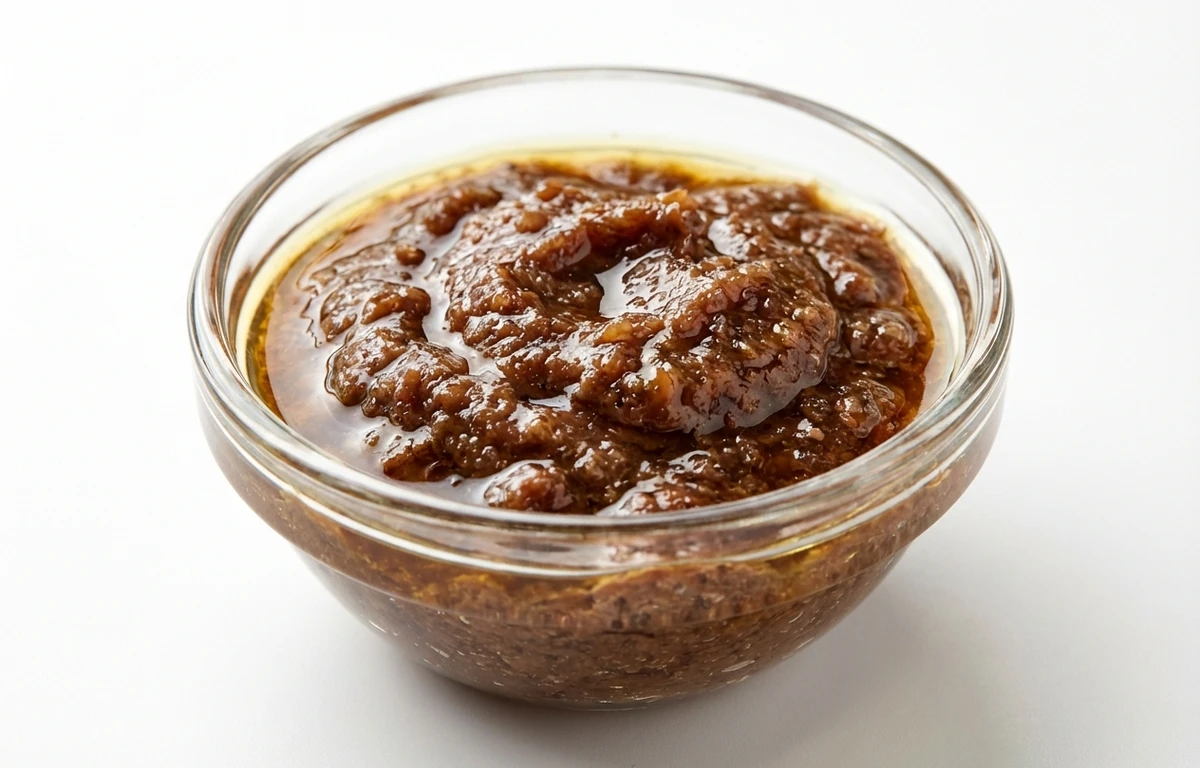
anchovy paste.
VegetarianVeganGluten-freeDairy-freeNut-freePeanut-freeSoy-freeEgg-freeShellfish-freeHoney-freeAlcohol-freeFermented
ALSO KNOWN AS
pasta di acciugheanchovy pureeground anchoviesanchovy cream
SERVING
CALORIES
210
PROTEIN
19g
CARBS
1.5g
FAT
14.5g
FIBER
0g
NUTRITION PROFILE · per 100 g
Everything in this ingredient.
MACRONUTRIENTS
Calories210kcal—
Protein19g38%
Carbohydrates1.5g1%
Fiber0g0%
Sugar0g0%
Total fat14.5g19%
Saturated fat3.5g18%
Trans fat0g—
Cholesterol85mg28%
Water45g—
MINERALS
Sodium3800mg165%
Potassium350mg7%
Calcium230mg18%
Iron3.2mg18%
Magnesium40mg10%
Phosphorus250mg20%
Zinc1.7mg15%
Copper0.20mg22%
Manganese0.10mg4%
Selenium36µg65%
VITAMINS
Vitamin A15µg2%
Vitamin C0mg0%
Vitamin D1.5µg8%
Vitamin E0.60mg4%
Vitamin K0.10µg0%
Thiamin (B1)0.05mg4%
Riboflavin (B2)0.25mg19%
Niacin (B3)14mg88%
Pantothenic acid (B5)0.60mg12%
Vitamin B60.15mg9%
Folate (B9)10µg3%
Vitamin B1210µg417%
%DV based on a 2,000 cal diet. Source: USDA FoodData Central. A dash in the %DV column means there’s no established Daily Value for that nutrient.
MEASUREMENT CONVERSIONS
How much is what.
1 cup280g
1 tablespoon18g
1 teaspoon6g
1 oz28.4g
1 lb453.6g
1 ml1.2g
HEALTH BENEFITS
Why eat it.
- ✓Rich in Omega-3 fatty acids for heart health
- ✓Excellent source of Vitamin B12 for nerve function
- ✓High protein content relative to serving size
- ✓Provides essential minerals like calcium and iron
- ✓Contains selenium which supports thyroid health
COOKING TIPS
In the kitchen.
- 1Add to sauces at the beginning of cooking to allow it to melt and distribute umami
- 2Use sparingly as a salt substitute to add depth without a fishy taste
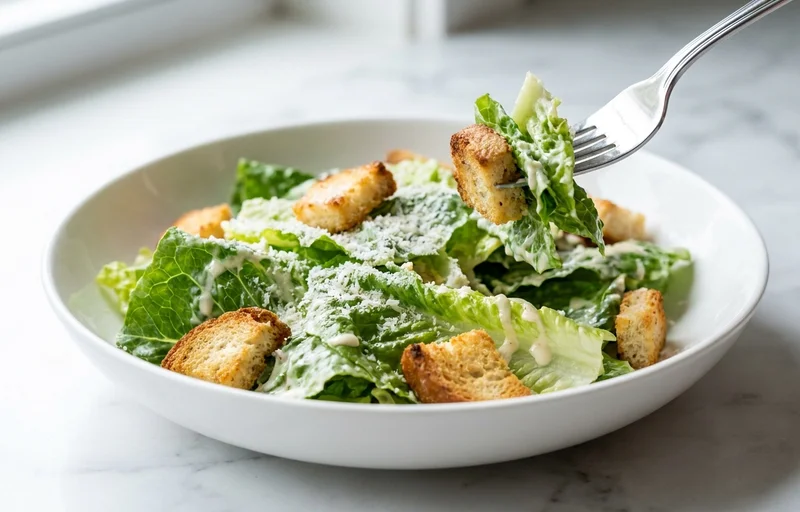
- 3Whisk into vinaigrettes or Caesar dressings for a classic savory punch
STORAGE
Keep it fresh.
- Refrigerate immediately after opening
- Ensure the cap is tightly sealed to prevent oxidation and drying
- Store in a cool, dark place if the tube or jar is unopened
FAQ
Frequently asked questions.
How long does anchovy paste last after opening?
When kept refrigerated and tightly sealed, anchovy paste typically lasts for 6 to 12 months.
Can I freeze anchovy paste?
Yes, you can freeze it, but it is usually unnecessary due to its high salt content and long shelf life in the fridge.
What is the best substitute for anchovy paste?
Mashed whole canned anchovies are the best substitute. For a vegetarian option, use miso paste or soy sauce for umami.
Is anchovy paste very salty?
Yes, it is highly concentrated and very salty, so you should reduce the amount of additional salt in your recipe.
How do I pick a high-quality anchovy paste?
Look for brands with a short ingredient list, ideally just anchovies, salt, and sometimes olive oil or sunflower oil.
Does anchovy paste make food taste fishy?
When used in small amounts and cooked into a dish, it provides a savory 'umami' depth rather than a distinct fishy flavor.
Is anchovy paste gluten-free?
Most traditional anchovy pastes are naturally gluten-free, but always check the label for added thickeners or stabilizers.
What are common dishes that use anchovy paste?
It is a key ingredient in Caesar salad dressing, Pasta alla Puttanesca, Bagna Cauda, and various meat marinades.
How do I prepare anchovy paste for use?
No preparation is needed; simply squeeze the desired amount directly from the tube or scoop from the jar into your dish.
RECIPES
Cook with anchovy paste.
6 recipes · sorted by what’s quick