
Other
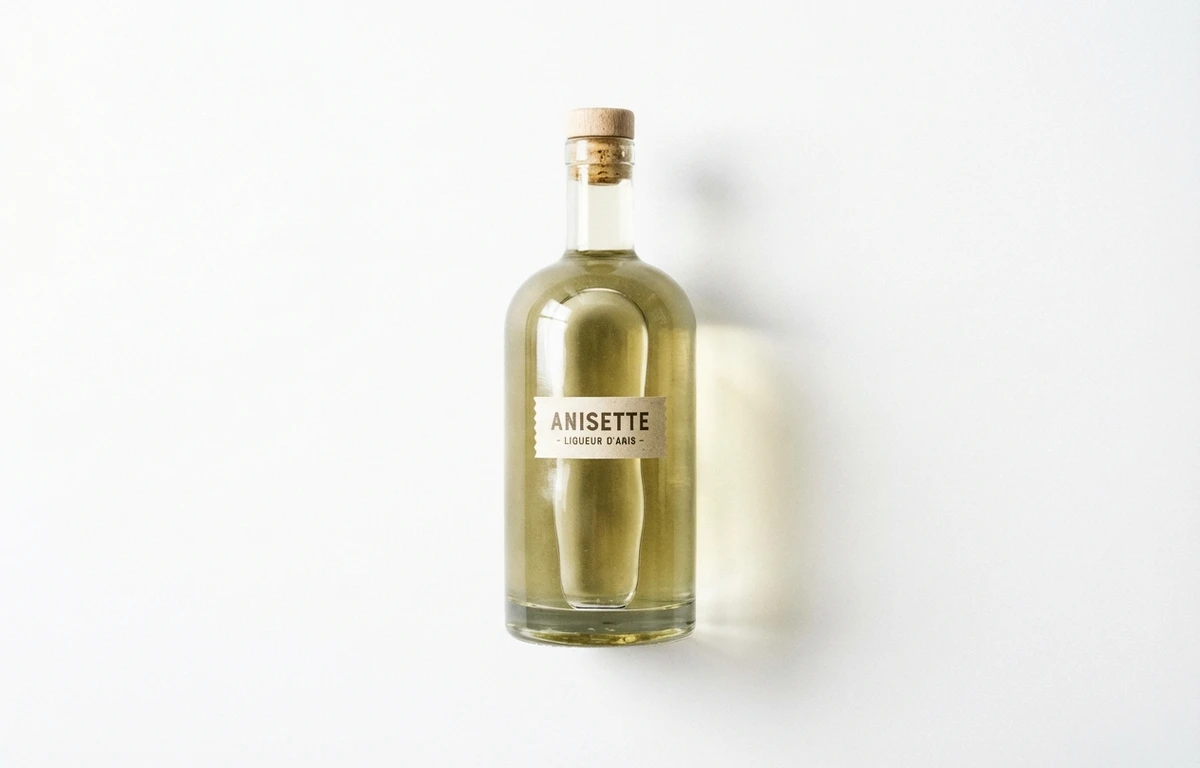
anise liqueur.
VegetarianVeganGluten-freeDairy-freeNut-freePeanut-freeSoy-freeEgg-freeShellfish-freeHoney-freeAlcohol-freeHalalFermented
ALSO KNOWN AS
anise-flavored liqueur
SERVING
CALORIES
330
PROTEIN
0g
CARBS
35g
FAT
0g
FIBER
0g
NUTRITION PROFILE · per 100 g
Everything in this ingredient.
MACRONUTRIENTS
Calories330kcal—
Protein0g0%
Carbohydrates35g13%
Fiber0g0%
Sugar35g70%
Total fat0g0%
Saturated fat0g0%
Trans fat0g—
Cholesterol0mg0%
Water35g—
MINERALS
Sodium5.0mg0%
Potassium2.0mg0%
Calcium0mg0%
Iron0mg0%
Magnesium0mg0%
Phosphorus0mg0%
Zinc0mg0%
Copper0mg0%
Manganese0mg0%
Selenium0µg0%
VITAMINS
Vitamin A0µg0%
Vitamin C0mg0%
Vitamin D0µg0%
Vitamin E0mg0%
Vitamin K0µg0%
Thiamin (B1)0mg0%
Riboflavin (B2)0mg0%
Niacin (B3)0mg0%
Pantothenic acid (B5)0mg0%
Vitamin B60mg0%
Folate (B9)0µg0%
Vitamin B120µg0%
%DV based on a 2,000 cal diet. Source: USDA FoodData Central. A dash in the %DV column means there’s no established Daily Value for that nutrient.
MEASUREMENT CONVERSIONS
How much is what.
1 cup228g
1 tablespoon14.3g
1 teaspoon4.8g
1 ml1g
1 liter950g
HEALTH BENEFITS
Why eat it.
- ✓Traditionally used as a digestif to aid digestion and reduce bloating, due to the carminative properties of anethole from anise.
- ✓The anise botanicals contain compounds that have expectorant properties, which may help in loosening phlegm.
- ✓Anethole, the primary compound in anise, has demonstrated antimicrobial and antifungal properties in laboratory studies.
COOKING TIPS
In the kitchen.
- 1Use sparingly to flavor desserts such as biscotti, cookies, and cakes, providing a distinct licorice-like aroma.
- 2Add a splash to seafood dishes, especially when steaming mussels or pan-searing fish, to add a layer of aromatic complexity.
- 3In cocktails, dilute with cold water to create the characteristic cloudy 'louche' effect, which releases its aromatic oils.
- 4Use to deglaze a pan when cooking pork or fennel, creating a flavorful base for a sauce.
STORAGE
Keep it fresh.
- Store upright in a cool, dark place away from direct sunlight and heat to preserve its flavor and color.
- Keep the bottle tightly sealed to prevent the alcohol from evaporating and to protect it from oxidation.
- For high-sugar varieties like Sambuca, wipe the bottle threads after pouring to prevent the cap from sticking.
FAQ
Frequently asked questions.
Is anise liqueur healthy?
Anise liqueur contains anethole, which offers digestive and antimicrobial benefits. However, it is high in sugar and alcohol, so it should be consumed in moderation. It is traditionally used as a digestif to settle the stomach rather than a primary health source.
How many calories and carbs are in anise liqueur?
Anise liqueur is calorie-dense, containing approximately 330 calories and 35 grams of carbohydrates per 100g. The majority of these calories come from the high sugar content and the alcohol itself.
Does anise liqueur help with digestion?
Yes, it is traditionally used as a digestif. The anise botanicals contain carminative properties that can help reduce bloating, gas, and general indigestion after a meal.
Is anise liqueur vegan and gluten-free?
Most anise liqueurs are both vegan and gluten-free, as they are made from distilled spirits, sugar, and plant-based botanicals. However, individuals with celiac disease should verify that no gluten-containing flavorings were added after distillation.
Is anise liqueur keto-friendly?
No, anise liqueur is not keto-friendly. With 35g of carbohydrates per 100g, even a small serving contains enough sugar to potentially disrupt ketosis.
What does anise liqueur taste like?
Anise liqueur has a very strong, sweet, and aromatic flavor profile similar to black licorice. It often provides a slight cooling sensation on the tongue due to the essential oils from the aniseed.
How do you drink or serve anise liqueur?
It can be served neat as a digestif, on the rocks, or diluted with chilled water. When water is added, many varieties undergo the 'louche' effect, turning from clear to a milky, opaque white.
Can I use anise liqueur in cooking?
Yes, it is a popular ingredient for flavoring seafood, such as mussels or shrimp, and is frequently used in baking for cookies and cakes. It can also be used to flambé dishes to add a complex herbal aroma.
How should I store anise liqueur and how long does it last?
Store the bottle in a cool, dark place away from direct sunlight. Due to its high alcohol and sugar content, it has an indefinite shelf life and does not require refrigeration after opening.
Can I substitute anise liqueur with anise extract?
Yes, but use caution as anise extract is much more concentrated and lacks the sugar of the liqueur. Use about 1/4 teaspoon of extract to replace 1 tablespoon of liqueur, and consider adding a small amount of simple syrup to match the sweetness.



















