
Other1 recipes
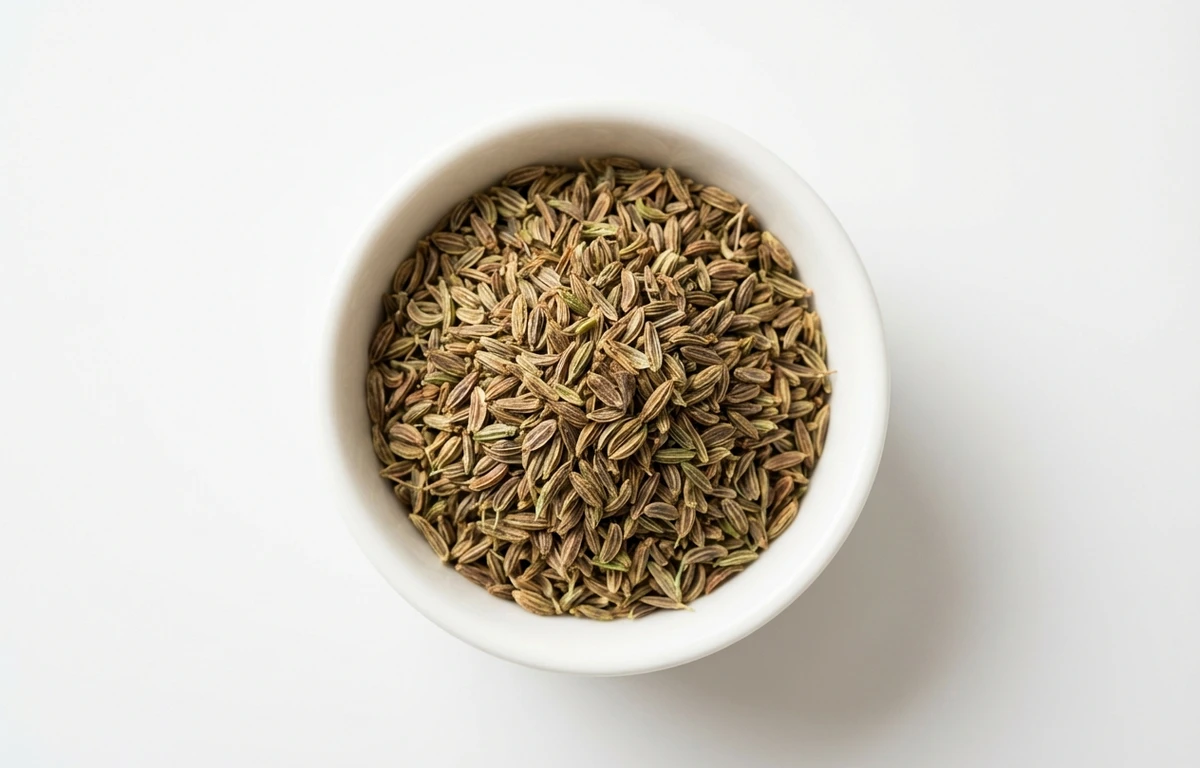
anise seeds.
VegetarianVeganGluten-freeDairy-freeNut-freePeanut-freeSoy-freeEgg-freeShellfish-freeHoney-freeAlcohol-free
ALSO KNOWN AS
valaiti saunfAnise Seedaniseedwhole anise seedspimpinella anisumsweet cumin
SERVING
CALORIES
337
PROTEIN
17.6g
CARBS
50g
FAT
15.9g
FIBER
14.6g
NUTRITION PROFILE · per 100 g
Everything in this ingredient.
MACRONUTRIENTS
Calories337kcal—
Protein17.6g35%
Carbohydrates50g18%
Fiber14.6g52%
Sugar0g0%
Total fat15.9g20%
Saturated fat0.59g3%
Trans fat0g—
Cholesterol0mg0%
Water9.5g—
MINERALS
Sodium16mg1%
Potassium1441mg31%
Calcium646mg50%
Iron37mg205%
Magnesium170mg40%
Phosphorus440mg35%
Zinc5.3mg48%
Copper0.91mg101%
Manganese2.3mg100%
Selenium5.0µg9%
VITAMINS
Vitamin A15µg2%
Vitamin C21mg23%
Vitamin D0µg0%
Vitamin E0mg0%
Vitamin K0µg0%
Thiamin (B1)0.34mg28%
Riboflavin (B2)0.29mg22%
Niacin (B3)3.1mg19%
Vitamin B60.65mg38%
Folate (B9)10µg3%
Vitamin B120µg0%
%DV based on a 2,000 cal diet. Source: USDA FoodData Central. A dash in the %DV column means there’s no established Daily Value for that nutrient.
MEASUREMENT CONVERSIONS
How much is what.
1 cup100g
1 tablespoon6.3g
1 teaspoon2.1g
1 oz28.4g
1 lb453.6g
HEALTH BENEFITS
Why eat it.
- ✓Aids digestion and helps reduce bloating and gas
- ✓Extremely rich source of iron to support healthy blood
- ✓Contains potent antioxidants that may reduce inflammation
- ✓May help regulate blood sugar levels
- ✓Possesses antimicrobial properties that fight bacteria and fungi
COOKING TIPS
In the kitchen.
- 1Lightly toast the seeds in a dry pan for 1-2 minutes to release their aroma
- 2Grind the seeds just before adding to recipes for the most intense flavor
- 3Use in baking doughs for breads, cookies, and cakes to provide a sweet licorice-like profile
STORAGE
Keep it fresh.
- Store in an airtight container to preserve the volatile essential oils
- Keep in a cool, dark, and dry place away from direct sunlight
- Whole seeds maintain their flavor for 3-4 years, much longer than ground anise
FAQ
Frequently asked questions.
How long do anise seeds last?
Whole anise seeds can last 3 to 4 years if stored in an airtight container in a cool, dark place. Ground anise loses its potency much faster, usually within 6 months.
How can I tell if anise seeds are still good?
Crush a few seeds between your fingers; if the aroma is weak or non-existent, the seeds have lost their essential oils and should be replaced.
What is a good substitute for anise seeds?
Star anise (ground), fennel seeds, or caraway seeds are the best substitutes. Use about half the amount of star anise as it is more pungent.
Do I need to wash anise seeds before using them?
No, anise seeds do not need to be washed. They are typically used dry or toasted.
Are anise seeds high in calories?
While they have about 337 calories per 100g, they are used in such tiny quantities (usually 1-2 grams) that their caloric contribution to a dish is negligible.
What is the difference between anise and fennel seeds?
Anise seeds are smaller and have a more pungent, sweet licorice flavor. Fennel seeds are larger, greener, and have a milder, woodier flavor.
Can anise seeds be frozen?
Yes, you can freeze them in an airtight container to extend their shelf life, though it is generally not necessary if kept in a cool pantry.
What are the most common uses for anise seeds?
They are widely used in European baking (biscotti, rye bread), Mediterranean liqueurs (Ouzo, Anisette), and as a digestive aid in teas.
Are anise seeds safe for everyone?
They are generally safe in culinary amounts, but individuals with allergies to plants in the Apiaceae family (like celery or fennel) should exercise caution.
RECIPES
Cook with anise seeds.
1 recipes · sorted by what’s quick



















