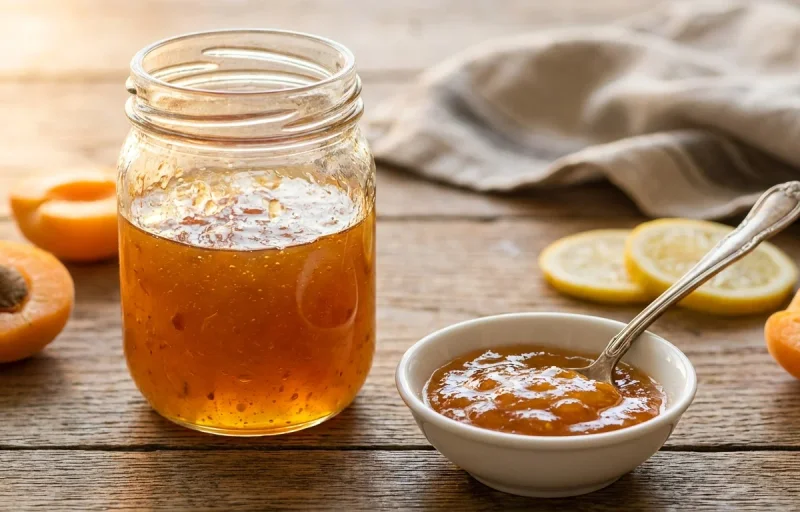
Other1 recipes
apricot jam.
VegetarianVeganGluten-freeDairy-freeNut-freePeanut-freeSoy-freeEgg-freeShellfish-freeHoney-freeAlcohol-free
ALSO KNOWN AS
apricot preserveskhubani jammermelada de albaricoqueconfiture d'abricotapricot fruit spread
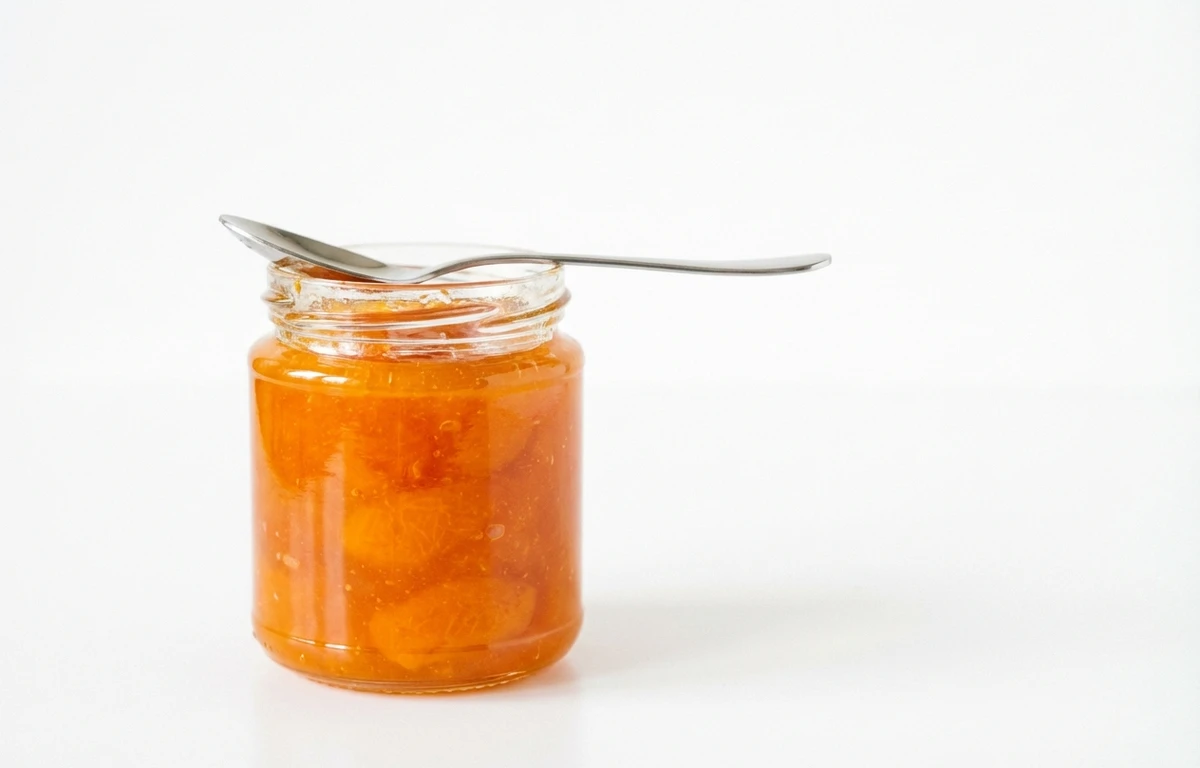
SERVING
CALORIES
242
PROTEIN
0.50g
CARBS
63g
FAT
0.10g
FIBER
1.1g
NUTRITION PROFILE · per 100 g
Everything in this ingredient.
MACRONUTRIENTS
Calories242kcal—
Protein0.50g1%
Carbohydrates63g23%
Fiber1.1g4%
Sugar54g108%
Total fat0.10g0%
Saturated fat0g0%
Trans fat0g—
Cholesterol0mg0%
Water35g—
MINERALS
Sodium12mg1%
Potassium105mg2%
Calcium15mg1%
Iron0.40mg2%
Magnesium5.0mg1%
Phosphorus10mg1%
Zinc0.05mg0%
Copper0.05mg6%
Manganese0.04mg2%
Selenium0.20µg0%
VITAMINS
Vitamin A27µg3%
Vitamin C2.5mg3%
Vitamin D0µg0%
Vitamin E0.10mg1%
Vitamin K0.50µg0%
Thiamin (B1)0.01mg1%
Riboflavin (B2)0.02mg2%
Niacin (B3)0.20mg1%
Pantothenic acid (B5)0.10mg2%
Vitamin B60.03mg2%
Folate (B9)2.0µg1%
Vitamin B120µg0%
%DV based on a 2,000 cal diet. Source: USDA FoodData Central. A dash in the %DV column means there’s no established Daily Value for that nutrient.
MEASUREMENT CONVERSIONS
How much is what.
1 cup320g
1 tablespoon20g
1 teaspoon6.7g
1 oz28.4g
1 lb453.6g
1 ml1.3g
1 liter1330g
HEALTH BENEFITS
Why eat it.
- ✓Quick source of energy from carbohydrates
- ✓Contains small amounts of Vitamin A for eye health
- ✓Provides antioxidants from the apricot fruit
- ✓Fat-free and cholesterol-free condiment
- ✓Contains potassium which supports heart function
COOKING TIPS
In the kitchen.
- 1Warm slightly to use as a glaze for roasted chicken or ham
- 2Thin with a little water or lemon juice to create a fruit sauce
- 3Use as a binder or filling for thumbprint cookies and pastries
STORAGE
Keep it fresh.
- Store unopened jars in a cool, dark, and dry pantry
- Refrigerate immediately after opening to maintain freshness
- Always use a clean, dry spoon to prevent mold growth
FAQ
Frequently asked questions.
How long does apricot jam last after opening?
When stored in the refrigerator, apricot jam typically lasts for 6 to 12 months. Check for signs of mold or off-odors before use.
Can apricot jam be frozen?
Yes, you can freeze jam in freezer-safe containers, leaving headspace for expansion. It will last up to 12 months in the freezer.
What is a good substitute for apricot jam?
Peach jam, nectarine preserves, or orange marmalade are the best substitutes due to their similar color and acidity.
Is apricot jam vegan?
Most commercial apricot jams are vegan as they use pectin (a fruit-based thickener) rather than gelatin.
How can I tell if the jam has gone bad?
Look for mold on the surface, a fermented smell, or significant changes in color and texture.
Why is my jam watery?
This can happen if the fruit didn't have enough pectin or if it wasn't cooked long enough. Stirring it well after refrigeration can sometimes help.
Can I use apricot jam as a meat glaze?
Yes, it is excellent for glazing ham, pork tenderloin, or chicken, especially when mixed with mustard or soy sauce.
What is the difference between apricot jam and preserves?
Jam is made from crushed fruit and is more uniform, while preserves contain larger chunks of the fruit.
Does apricot jam contain a lot of sugar?
Yes, most traditional jams contain about 50-60% sugar to act as a preservative and sweetener.
RECIPES
Cook with apricot jam.
1 recipes · sorted by what’s quick