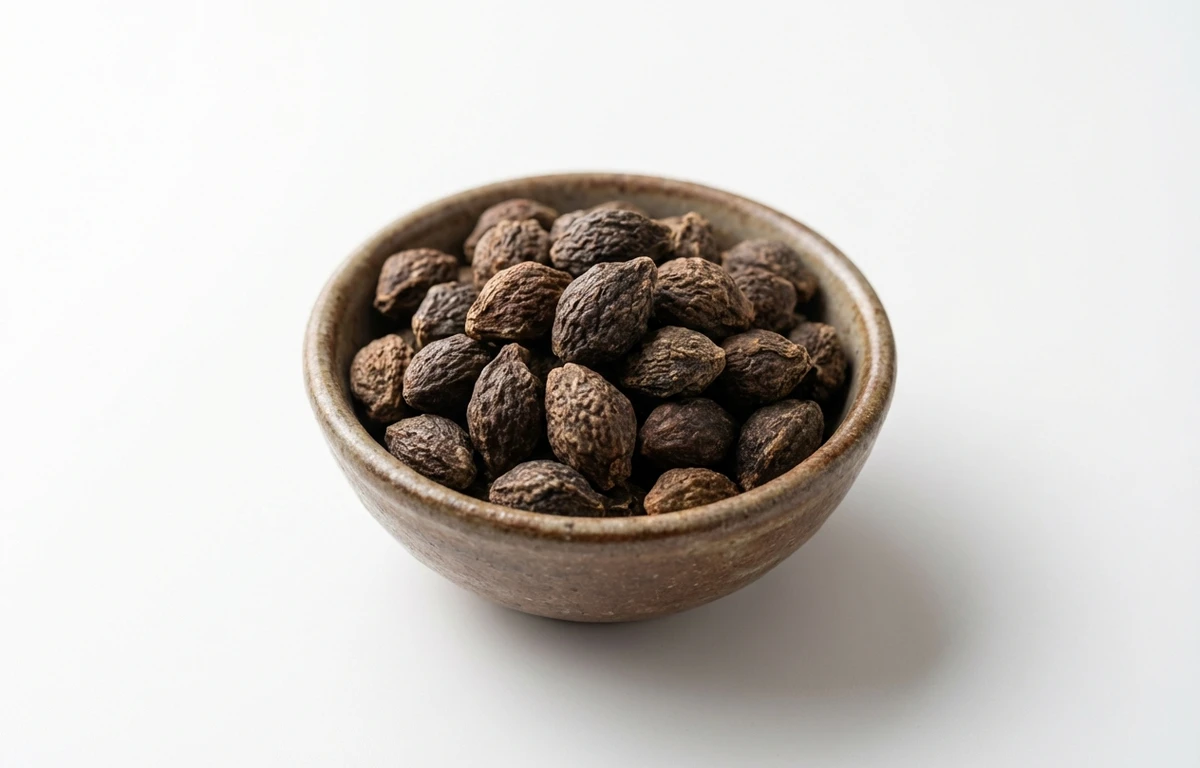
seed
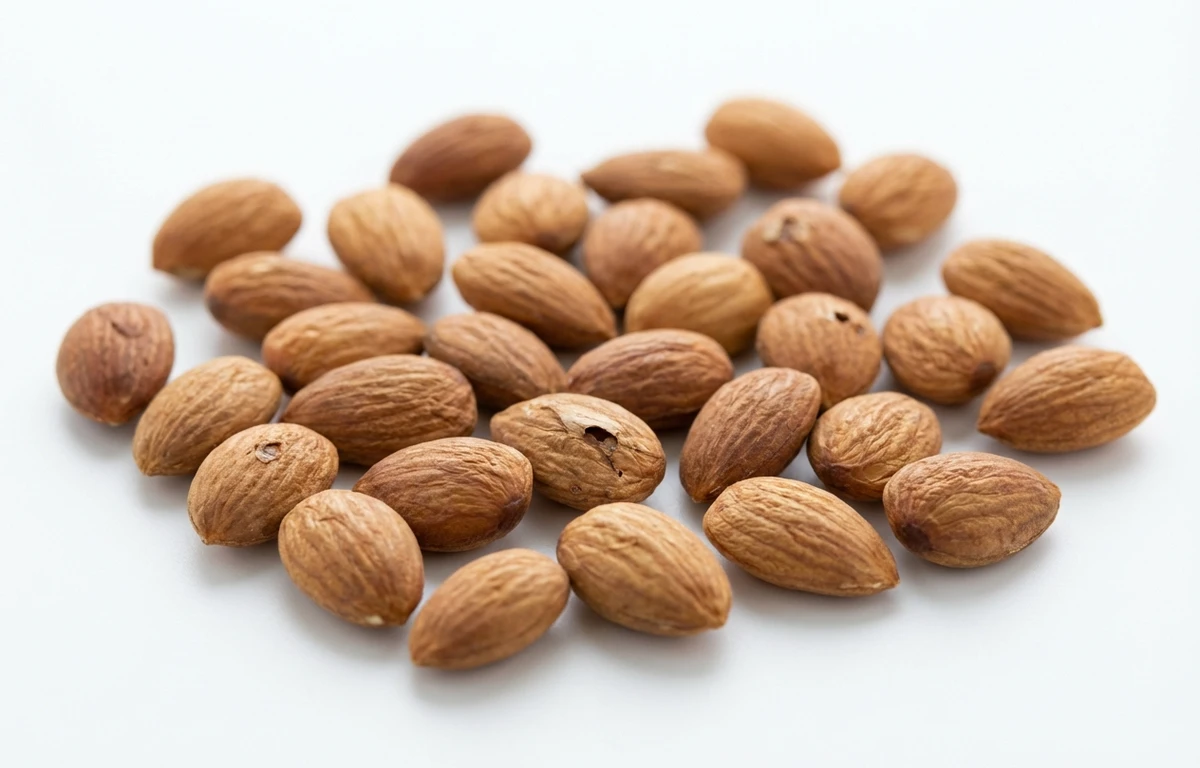
Apricot Kernels.
VegetarianVeganGluten-freeDairy-freeNut-freePeanut-freeSoy-freeEgg-freeShellfish-freeHoney-freeAlcohol-free
ALSO KNOWN AS
apricot seedskhubani ke beej
SERVING
CALORIES
580
PROTEIN
25g
CARBS
13g
FAT
50g
FIBER
8.0g
NUTRITION PROFILE · per 100 g
Everything in this ingredient.
MACRONUTRIENTS
Calories580kcal—
Protein25g50%
Carbohydrates13g5%
Fiber8.0g29%
Sugar0.50g1%
Total fat50g64%
Saturated fat4.0g20%
Trans fat0g—
Cholesterol0mg0%
Water5.0g—
MINERALS
Sodium5.0mg0%
Potassium600mg13%
Calcium25mg2%
Iron4.0mg22%
Magnesium230mg55%
Phosphorus500mg40%
Zinc3.0mg27%
Copper0.80mg89%
Manganese0.60mg26%
Selenium2.0µg4%
VITAMINS
Vitamin A0µg0%
Vitamin C0mg0%
Vitamin D0µg0%
Vitamin E4.0mg27%
Vitamin K0µg0%
Thiamin (B1)0.20mg17%
Riboflavin (B2)0.50mg38%
Niacin (B3)4.0mg25%
Pantothenic acid (B5)0.50mg10%
Vitamin B60.10mg6%
Folate (B9)50µg13%
Vitamin B120µg0%
%DV based on a 2,000 cal diet. Source: USDA FoodData Central. A dash in the %DV column means there’s no established Daily Value for that nutrient.
MEASUREMENT CONVERSIONS
How much is what.
1 cup140g
1 tablespoon10g
1 teaspoon3.5g
1 oz28.4g
1 lb453.6g
1 piece0.8g
HEALTH BENEFITS
Why eat it.
- ✓High in healthy monounsaturated fats for heart health
- ✓Excellent source of plant-based protein
- ✓Rich in Vitamin E which acts as a powerful antioxidant
- ✓Contains magnesium which supports muscle and nerve function
- ✓Provides dietary fiber to aid in digestive health
COOKING TIPS
In the kitchen.
- 1Lightly toast in a dry pan to enhance the nutty, almond-like aroma
- 2Grind into a fine meal to use as a gluten-free thickener or flour substitute
- 3Use sparingly as a garnish for desserts, similar to slivered almonds
STORAGE
Keep it fresh.
- Store in an airtight container in a cool, dark place to prevent rancidity
- Refrigeration is recommended to extend shelf life up to 6 months
- Can be frozen in a sealed bag for up to one year
FAQ
Frequently asked questions.
Are apricot kernels safe to eat?
They contain amygdalin, which converts to cyanide in the body. Consumption should be strictly limited; bitter kernels are much higher in toxins than sweet ones.
How many apricot kernels can I eat per day?
Health authorities generally recommend no more than 1-2 small kernels per day for adults due to cyanide risk.
What is the difference between sweet and bitter apricot kernels?
Sweet kernels are often used as snacks or in snacks, while bitter kernels contain much higher levels of amygdalin and are usually used for medicinal or oil extraction purposes.
Can I use apricot kernels as a substitute for almonds?
Yes, they have a very similar flavor profile, often described as a stronger, more floral almond flavor, but must be used in much smaller quantities.
How should I store apricot kernels?
Because of their high oil content, they should be kept in an airtight container in the fridge or freezer to keep them from going rancid.
Do apricot kernels contain gluten?
No, apricot kernels are naturally gluten-free.
How do I identify high-quality apricot kernels?
Look for kernels that are uniform in color, plump, and free from shriveling or mold. They should have a clean, nutty scent.
Can apricot kernels be frozen?
Yes, freezing is an excellent way to preserve the delicate fats in the kernels for up to 12 months.
What are common culinary uses for apricot kernels?
They are used to flavor Amaretti cookies, jams, and Italian liqueurs like Amaretto.
Are apricot kernels considered a nut allergen?
While botanically a seed, they contain proteins similar to tree nuts and may cause reactions in individuals with tree nut allergies.
SAME CATEGORY