grain
arisi kurunai.
VegetarianVeganGluten-freeDairy-freeNut-freePeanut-freeSoy-freeEgg-freeShellfish-freeHoney-freeAlcohol-free
SERVING
CALORIES
365
PROTEIN
6.7g
CARBS
80g
FAT
0.70g
FIBER
1.3g
NUTRITION PROFILE · per 100 g
Everything in this ingredient.
MACRONUTRIENTS
Calories365kcal—
Protein6.7g13%
Carbohydrates80g29%
Fiber1.3g5%
Sugar0.10g0%
Total fat0.70g1%
Saturated fat0.20g1%
Trans fat0g—
Cholesterol0mg0%
Water12g—
MINERALS
Sodium5.0mg0%
Potassium115mg2%
Calcium28mg2%
Iron0.80mg4%
Magnesium25mg6%
Phosphorus115mg9%
Zinc1.1mg10%
Copper0.22mg24%
Manganese1.1mg48%
Selenium15.1µg27%
VITAMINS
Vitamin A0µg0%
Vitamin C0mg0%
Vitamin D0µg0%
Vitamin E0.11mg1%
Vitamin K0.10µg0%
Thiamin (B1)0.07mg6%
Riboflavin (B2)0.05mg4%
Niacin (B3)1.6mg10%
Pantothenic acid (B5)1.0mg20%
Vitamin B60.16mg9%
Folate (B9)8.0µg2%
Vitamin B120µg0%
%DV based on a 2,000 cal diet. Source: USDA FoodData Central. A dash in the %DV column means there’s no established Daily Value for that nutrient.
MEASUREMENT CONVERSIONS
How much is what.
1 cup190g
1 tablespoon12g
HEALTH BENEFITS
Why eat it.
- ✓Provides a quick source of energy due to its easily digestible carbohydrate content.
- ✓Naturally gluten-free, making it a suitable grain for individuals with celiac disease or gluten sensitivity.
- ✓When cooked into a porridge (kanji or koozh), it is gentle on the digestive system, making it ideal for infants, the elderly, and during convalescence.
COOKING TIPS
In the kitchen.
- 1Rinse the broken rice under cold water before cooking to remove excess surface starch, which helps in achieving a better texture.
- 2Due to its smaller size, it cooks significantly faster than whole grain rice. Adjust cooking time and water ratio accordingly.
- 3Excellent for making traditional South Indian dishes like 'Arisi Upma' (savory porridge) or 'Koozh' (fermented or plain porridge).
- 4Can be used as a natural thickener for soups, stews, and gravies.
STORAGE
Keep it fresh.
- Store in a cool, dry place in an airtight container to protect from moisture, pests, and dust.
- For extended shelf life beyond a few months, store in the refrigerator or freezer to maintain freshness.
FAQ
Frequently asked questions.
What is arisi kurunai?
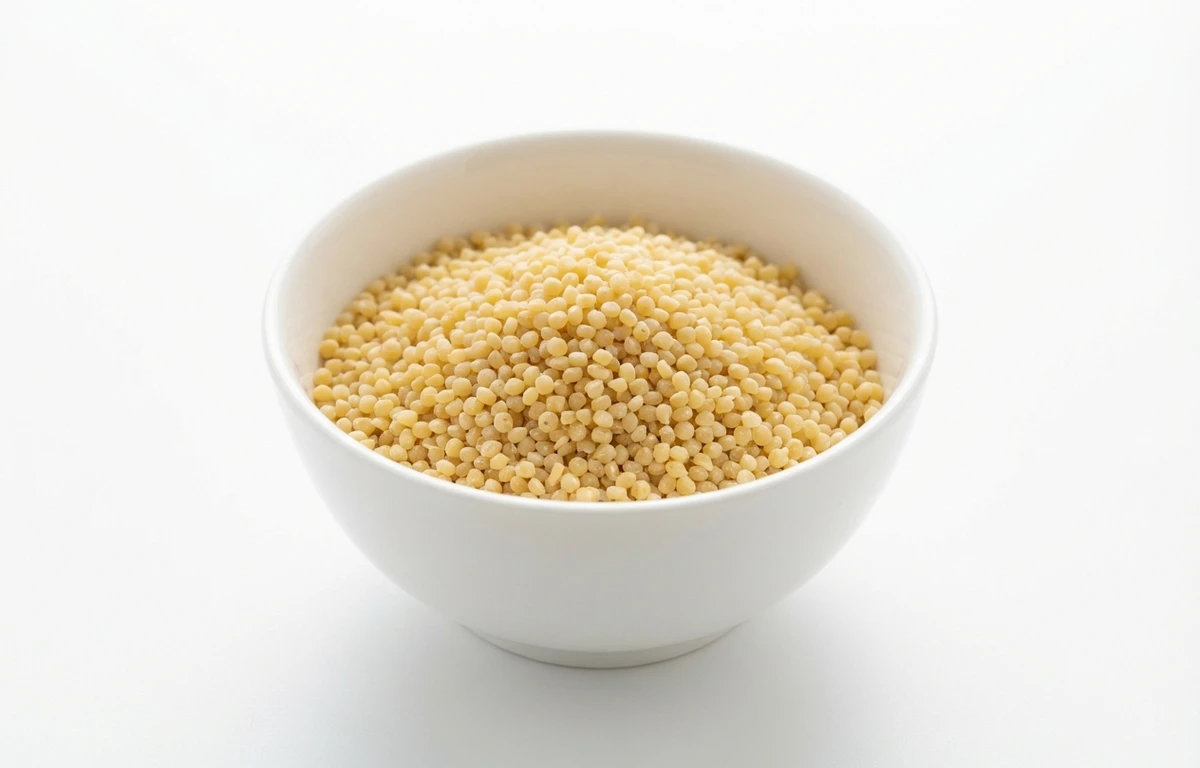
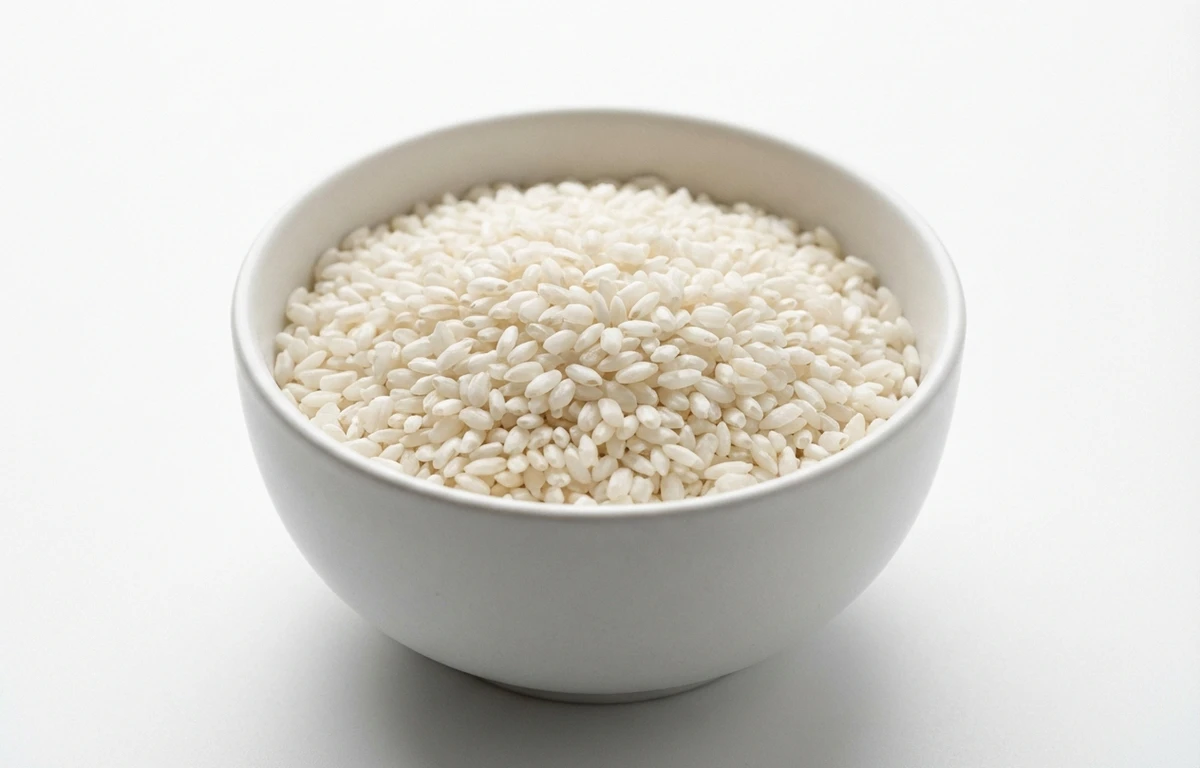
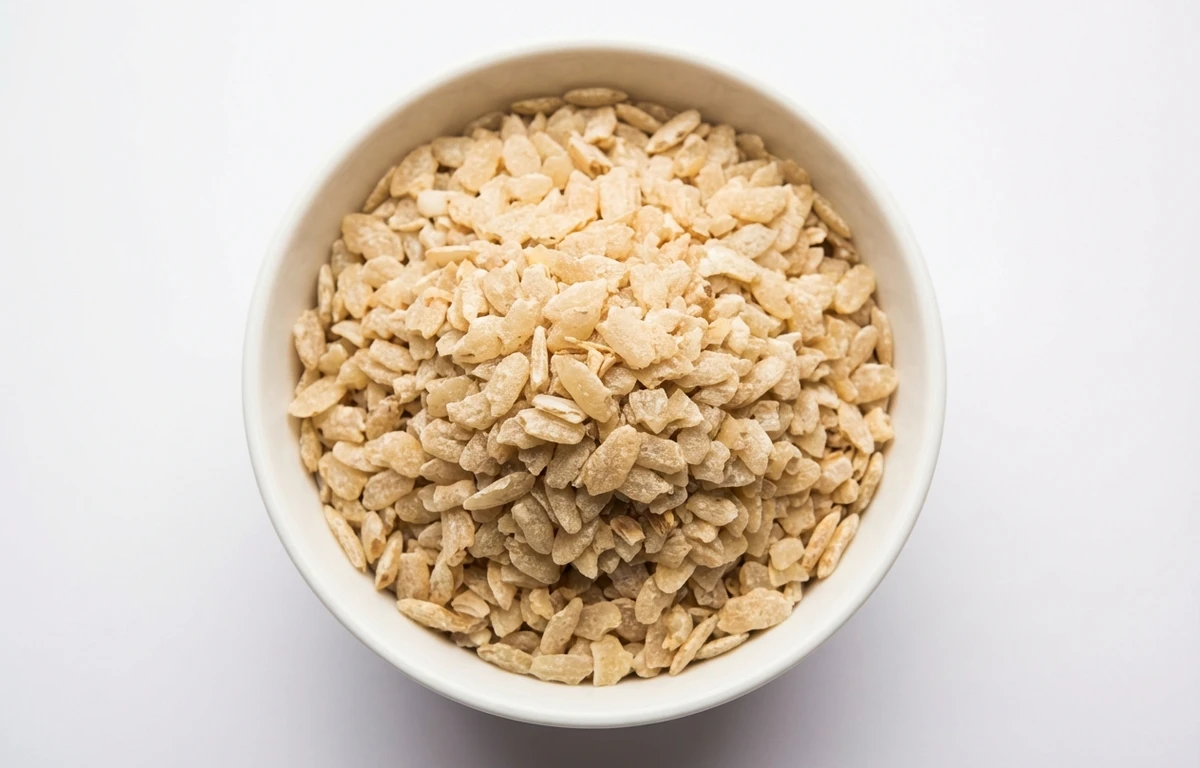
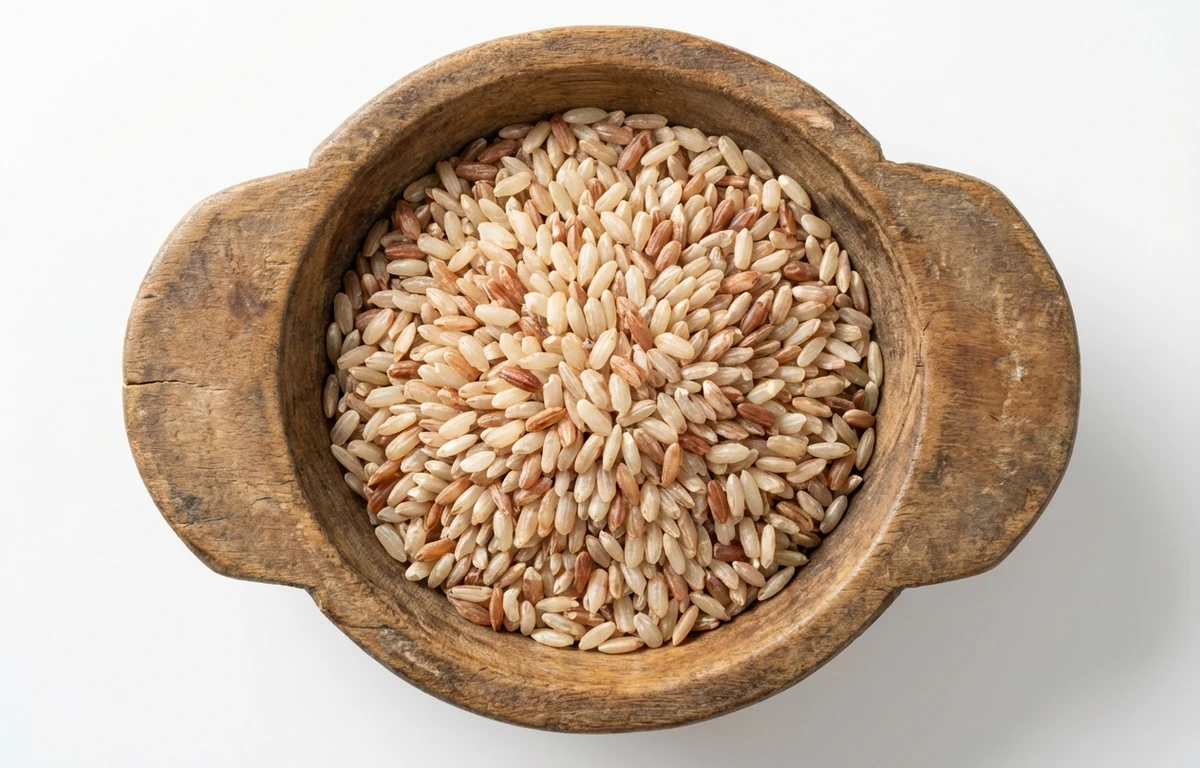
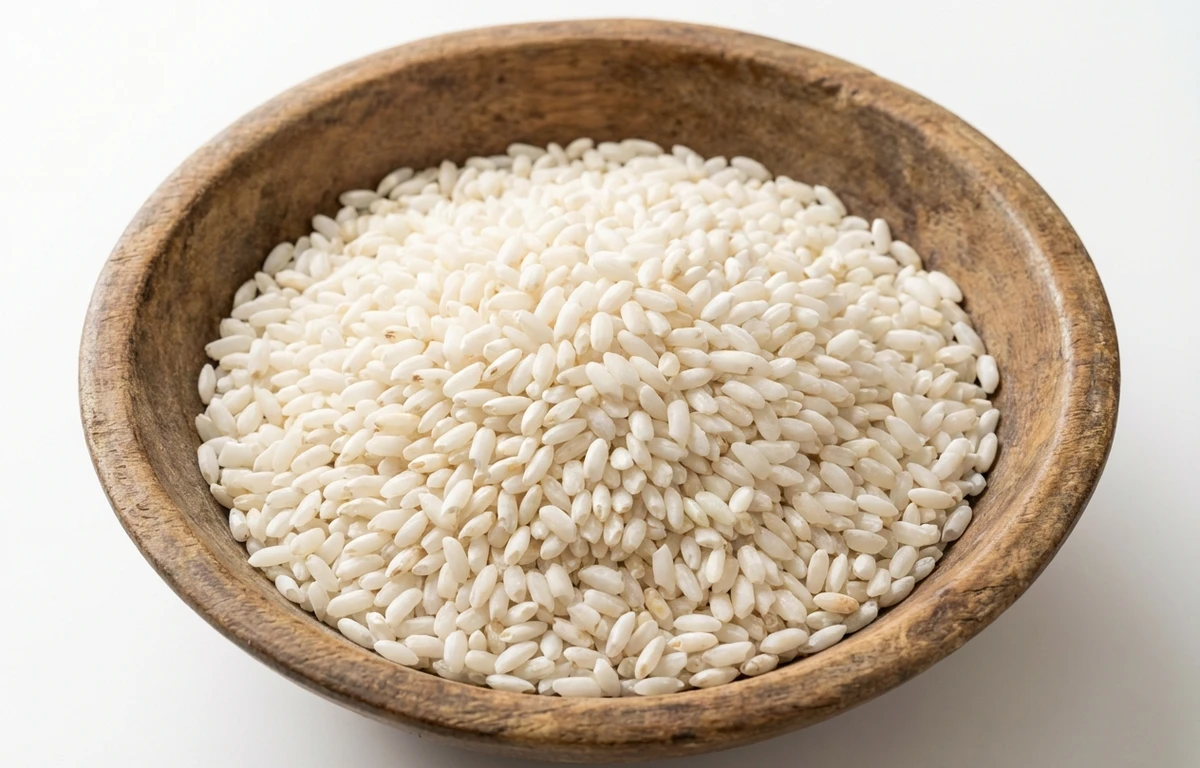
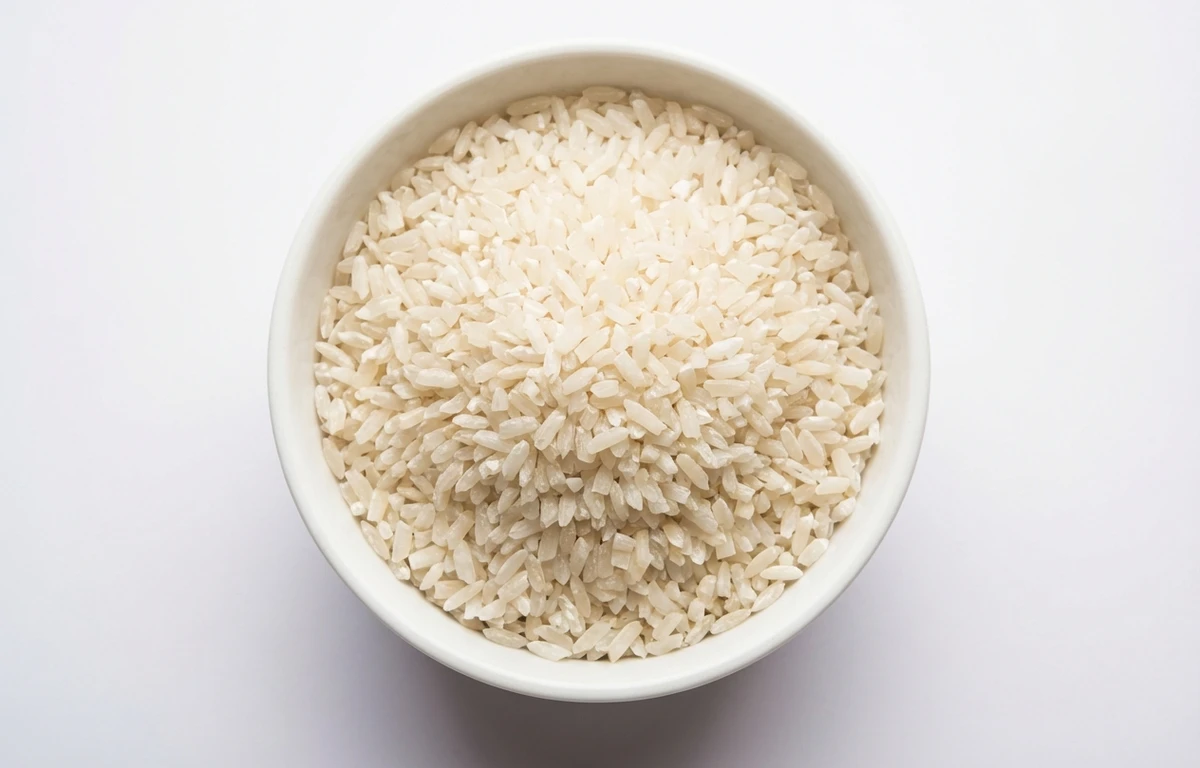
Arisi kurunai refers to broken rice grains, which are smaller fragments of rice produced during the milling process. It retains the same nutritional profile as whole rice but cooks faster and results in a softer, creamier texture.
Is arisi kurunai healthy?
Yes, it is a healthy, high-energy food providing 365 calories per 100g. It is particularly beneficial for those needing easily digestible carbohydrates, though it should be paired with fiber and protein for a balanced meal.
Is arisi kurunai gluten-free?
Yes, arisi kurunai is naturally gluten-free. This makes it a safe and suitable grain for individuals with celiac disease or those with non-celiac gluten sensitivities.
How do you cook arisi kurunai?
To cook it, use a water-to-grain ratio of roughly 2.5:1 or 3:1. It can be pressure cooked for 2-3 whistles or boiled in a pot until soft; it is commonly used to make savory upma or medicinal rice porridges (kanji).
Is arisi kurunai good for babies and the elderly?
Yes, it is highly recommended for infants and the elderly because it is very gentle on the digestive system. When cooked into a soft porridge, it provides a quick source of energy that is easy to swallow and digest.
Can diabetics eat arisi kurunai?
Diabetics should consume arisi kurunai in moderation. Because it is a broken grain, it may have a higher glycemic index than whole grains, so it is best served with plenty of fiber-rich vegetables and lean protein to manage blood sugar levels.
What does arisi kurunai taste like?
It has a mild, neutral, and slightly nutty flavor similar to regular white rice. Its smaller size allows it to absorb the flavors of spices, broths, and seasonings more effectively than whole rice grains.
How should I store arisi kurunai?
Store arisi kurunai in an airtight container in a cool, dry, and dark place. If kept away from moisture and pests, it can remain fresh for 6 to 12 months.
Is arisi kurunai good for weight loss?
While it is very low in fat (0.7g per 100g), it is high in carbohydrates (80g). For weight loss, it should be eaten in small portions and balanced with high-fiber ingredients to ensure you stay full for longer.
What are the main health benefits of arisi kurunai?
The primary benefits include providing a quick energy boost, being easy to digest during illness, and being naturally gluten-free. It is an excellent recovery food (convalescence) because it places minimal strain on the stomach.