grain
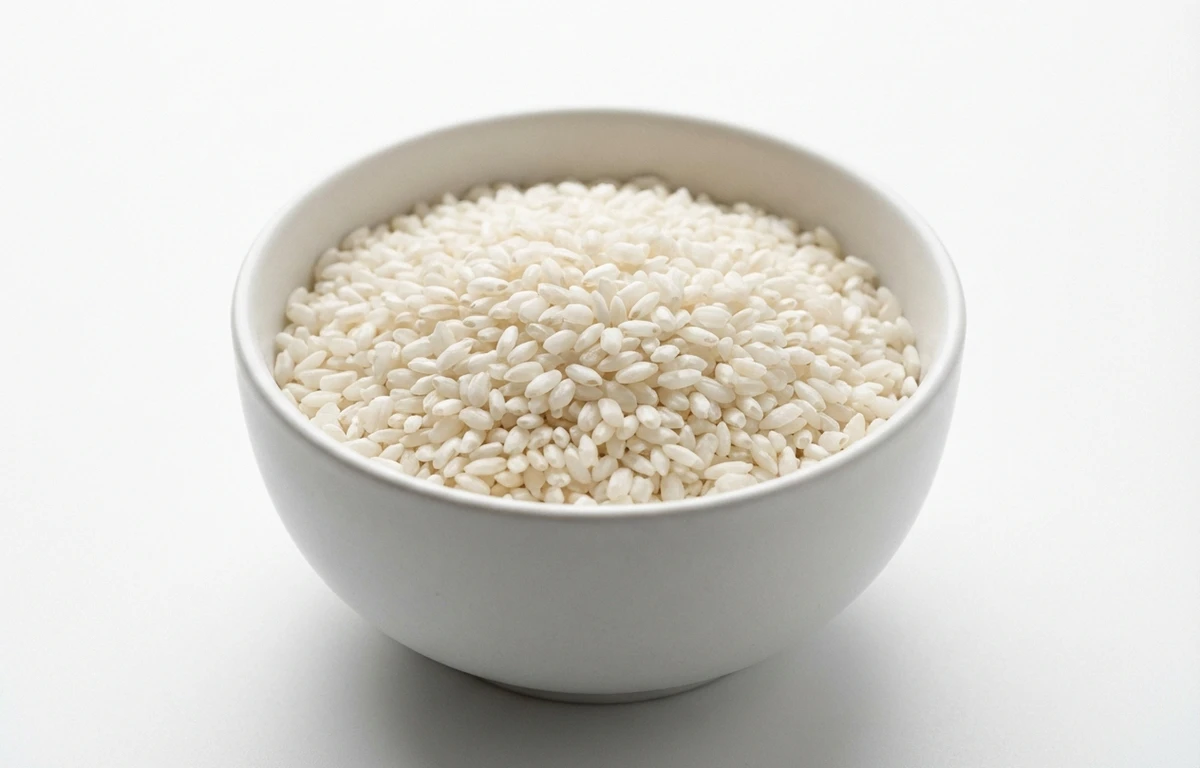
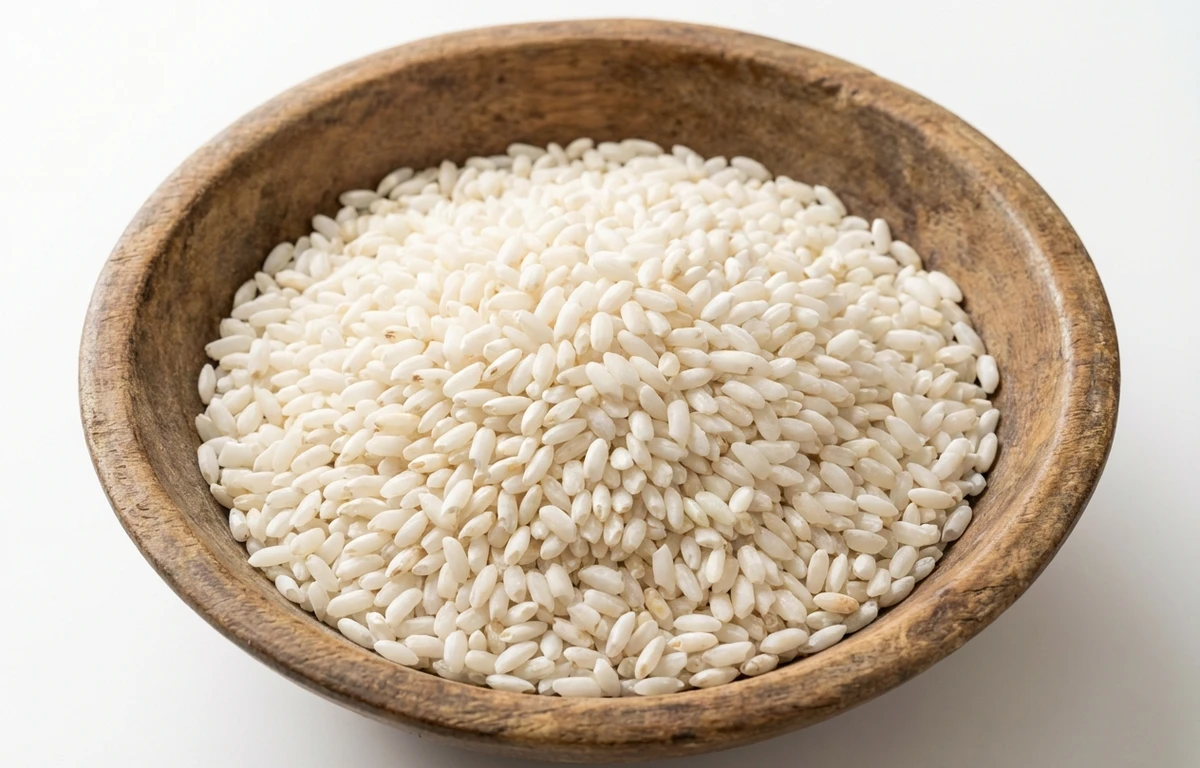
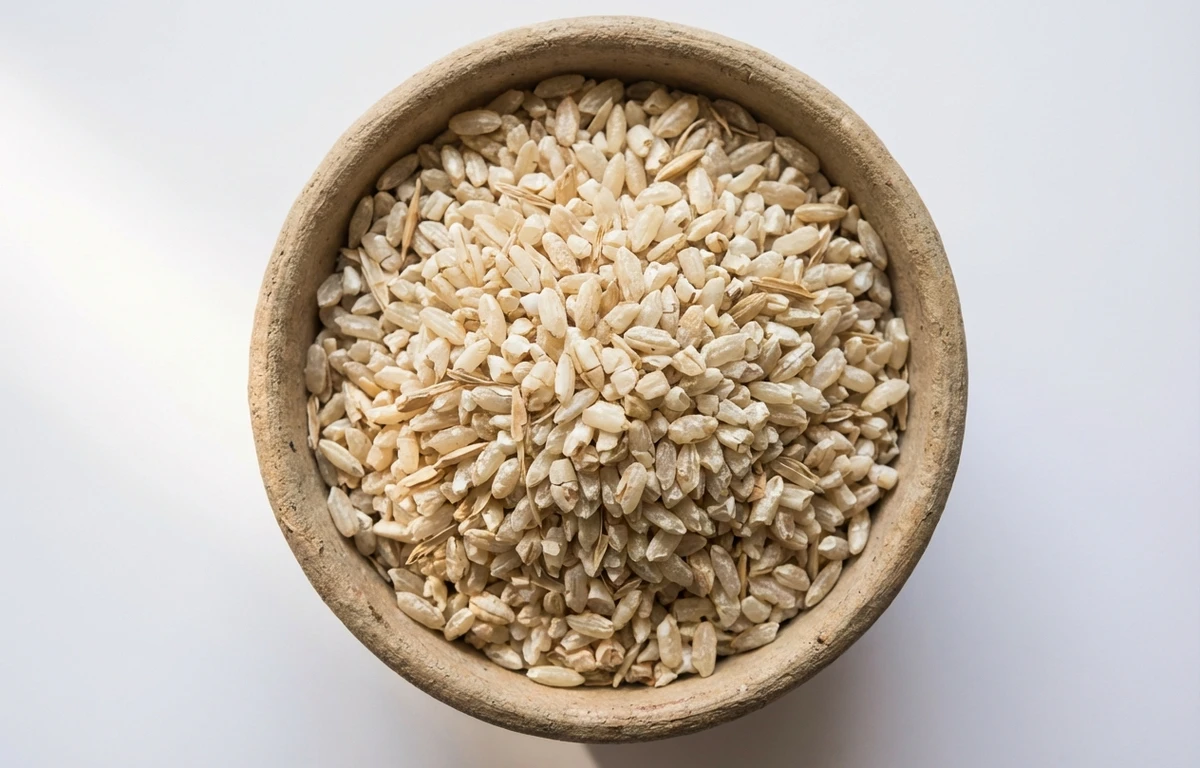
arua chaula.
VegetarianVeganGluten-freeDairy-freeNut-freePeanut-freeSoy-freeEgg-freeShellfish-freeHoney-freeAlcohol-free
SERVING
CALORIES
365
PROTEIN
7.1g
CARBS
80g
FAT
0.66g
FIBER
1.3g
NUTRITION PROFILE · per 100 g
Everything in this ingredient.
MACRONUTRIENTS
Calories365kcal—
Protein7.1g14%
Carbohydrates80g29%
Fiber1.3g5%
Sugar0.12g0%
Total fat0.66g1%
Saturated fat0.18g1%
Trans fat0g—
Cholesterol0mg0%
Water11.6g—
MINERALS
Sodium5.0mg0%
Potassium115mg2%
Calcium28mg2%
Iron0.80mg4%
Magnesium25mg6%
Phosphorus115mg9%
Zinc1.1mg10%
Copper0.22mg24%
Manganese1.1mg47%
Selenium15.1µg27%
VITAMINS
Vitamin A0µg0%
Vitamin C0mg0%
Vitamin D0µg0%
Vitamin E0.11mg1%
Vitamin K0.10µg0%
Thiamin (B1)0.07mg6%
Riboflavin (B2)0.05mg4%
Niacin (B3)1.6mg10%
Pantothenic acid (B5)1.0mg20%
Vitamin B60.16mg9%
Folate (B9)8.0µg2%
Vitamin B120µg0%
%DV based on a 2,000 cal diet. Source: USDA FoodData Central. A dash in the %DV column means there’s no established Daily Value for that nutrient.
MEASUREMENT CONVERSIONS
How much is what.
1 cup190g
1 tablespoon12g
1 teaspoon4g
HEALTH BENEFITS
Why eat it.
- ✓Provides a quick source of energy due to its high carbohydrate content, which is easily digested and converted to glucose.
- ✓Naturally gluten-free, making it a safe and suitable grain for individuals with celiac disease or gluten sensitivity.
- ✓Gentle on the digestive system because it is low in fiber, often recommended during recovery from illness.
- ✓Low in fat and sodium, and free from cholesterol, which can be beneficial for cardiovascular health when part of a balanced diet.
COOKING TIPS
In the kitchen.
- 1Rinse the rice under cold running water until the water runs clear to remove excess surface starch for fluffier, more separate grains.
- 2For making traditional Odia dishes like 'pitha' (rice cakes) or 'kheeri' (rice pudding), soak the rice for at least 4-6 hours to soften it for grinding or to ensure a creamy texture when cooked.
- 3Use a standard 1:2 rice-to-water ratio for cooking plain rice, but adjust slightly based on the age and specific variety of the rice.
- 4Arua chaula is essential for religious offerings (Prasad) in many Hindu traditions as it is considered pure, being uncooked before sun-drying.
STORAGE
Keep it fresh.
- Store in a cool, dry, and dark place in an airtight container to protect it from moisture, pests, and dust.
- For long-term storage (beyond 6 months), keep it in the refrigerator or freezer to maintain freshness and prevent insect infestation.
FAQ
Frequently asked questions.
Is Arua Chaula healthy?
Arua Chaula is a healthy source of energy, providing 365 calories per 100g. It is low in fat, sodium, and cholesterol, making it a heart-friendly staple. Its easy digestibility also makes it an excellent choice for those recovering from illness or with sensitive stomachs.
How much protein and carbohydrates are in Arua Chaula?
Every 100g of Arua Chaula contains approximately 79.95g of carbohydrates and 7.13g of protein. While it is a high-carb grain that provides quick glucose for the body, it remains very low in fat at only 0.66g.
Is Arua Chaula gluten-free?
Yes, Arua Chaula is naturally gluten-free. This makes it a safe and suitable grain for individuals with celiac disease or non-celiac gluten sensitivity.
Is Arua Chaula good for weight loss?
Arua Chaula is low in fat but high in calories and carbohydrates. For weight loss, it should be consumed in moderation and paired with high-fiber vegetables to compensate for its low fiber content and to help maintain satiety.
Can diabetics eat Arua Chaula?
Diabetics should consume Arua Chaula with caution as it has a high glycemic index and low fiber, which can cause blood sugar spikes. It is best eaten in small portions and combined with fiber-rich legumes or vegetables to slow down glucose absorption.
How do you cook Arua Chaula?
To cook Arua Chaula, rinse the grains thoroughly and use a 1:2 ratio of rice to water. Bring the water to a boil, add the rice, and simmer on low heat for about 10-15 minutes until the water is fully absorbed and the grains are tender.
What is the difference between Arua Chaula and Usuna Chaula?
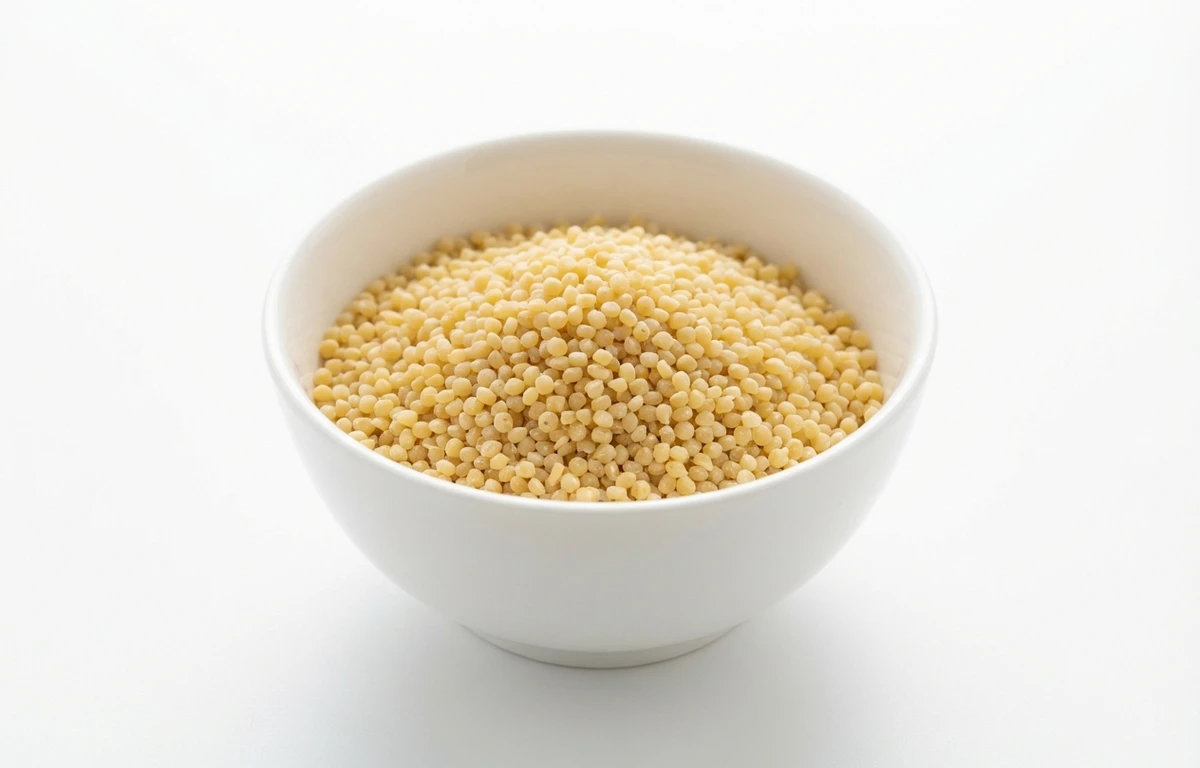
Arua Chaula is raw rice that is dried after harvesting, whereas Usuna Chaula is parboiled (steamed before husking). Arua Chaula cooks faster, has a softer texture, and is traditionally preferred for religious offerings and making traditional Pithas.
What does Arua Chaula taste like?
Arua Chaula has a mild, slightly sweet, and neutral flavor. When cooked, it has a soft and fluffy texture that makes it an excellent base for soaking up the flavors of curries, dals, and traditional desserts like Kheeri.
How should I store Arua Chaula?
Store Arua Chaula in an airtight container in a cool, dry, and dark place to protect it from moisture and pests. When kept in these conditions, it can remain fresh and safe for consumption for several months to a year.
Why is Arua Chaula used for religious offerings (Prasad)?
In many Indian traditions, Arua Chaula is considered 'pure' because it is not subjected to the parboiling process. It is the standard rice used for preparing temple offerings, festive dishes, and ritualistic meals.