
Other
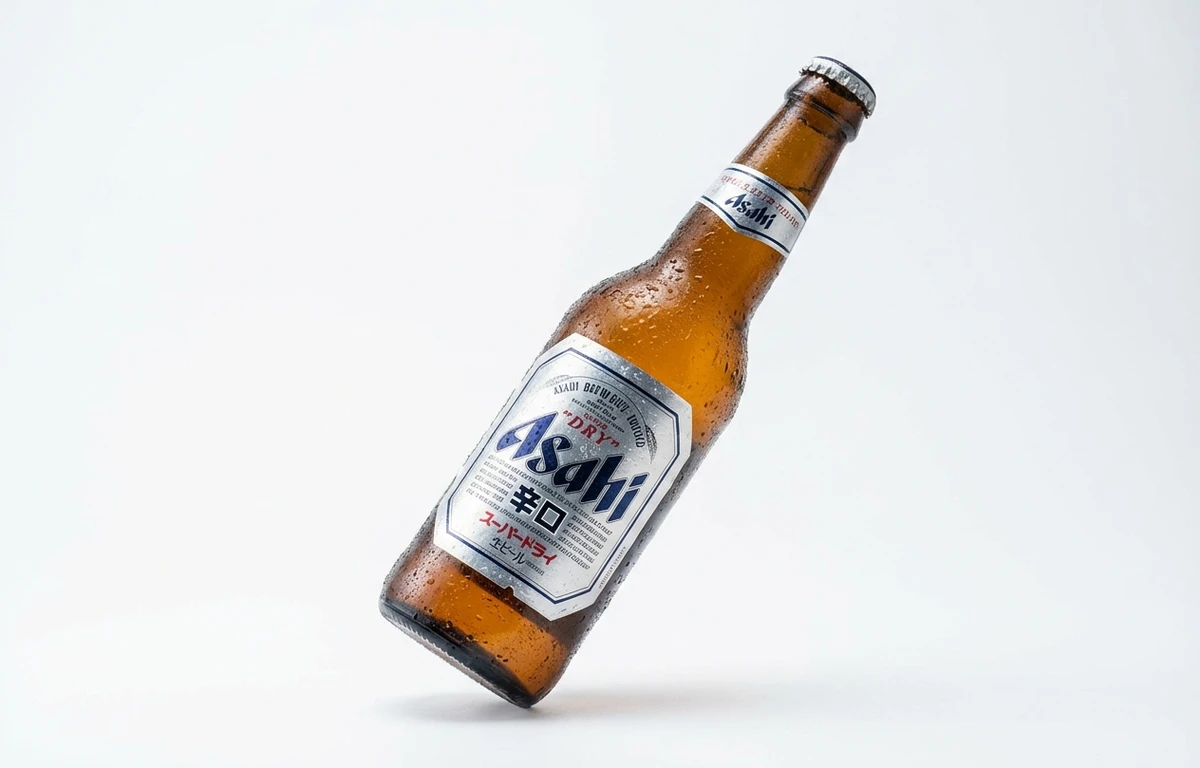
asahi beer.
VegetarianVeganGluten-freeDairy-freeNut-freePeanut-freeSoy-freeEgg-freeShellfish-freeHoney-freeAlcohol-freeHalalKosherFermented
ALSO KNOWN AS
Asahi Super DryAsahi KarakuchiJapanese lagerAsahi Nama Biru
SERVING
CALORIES
41
PROTEIN
0.30g
CARBS
3.0g
FAT
0g
FIBER
0g
NUTRITION PROFILE · per 100 g
Everything in this ingredient.
MACRONUTRIENTS
Calories41kcal—
Protein0.30g1%
Carbohydrates3.0g1%
Fiber0g0%
Sugar0g0%
Total fat0g0%
Saturated fat0g0%
Trans fat0g—
Cholesterol0mg0%
Water92g—
MINERALS
Sodium4.0mg0%
Potassium27mg1%
Calcium4.0mg0%
Iron0.02mg0%
Magnesium6.0mg1%
Phosphorus14mg1%
Zinc0.01mg0%
Copper0.01mg1%
Manganese0.01mg0%
Selenium0.40µg1%
VITAMINS
Vitamin A0µg0%
Vitamin C0mg0%
Vitamin D0µg0%
Vitamin E0mg0%
Vitamin K0µg0%
Thiamin (B1)0.01mg1%
Riboflavin (B2)0.03mg2%
Niacin (B3)0.50mg3%
Pantothenic acid (B5)0.05mg1%
Vitamin B60.04mg2%
Folate (B9)6.0µg2%
Vitamin B120.02µg1%
%DV based on a 2,000 cal diet. Source: USDA FoodData Central. A dash in the %DV column means there’s no established Daily Value for that nutrient.
MEASUREMENT CONVERSIONS
How much is what.
1 cup236g
1 tablespoon14.8g
1 teaspoon4.9g
1 oz28.4g
1 lb453.6g
1 ml1g
1 liter1000g
HEALTH BENEFITS
Why eat it.
- ✓Contains small amounts of B vitamins
- ✓Source of dietary silicon which may support bone health
- ✓Contains antioxidants derived from barley and hops
- ✓Low in sugar compared to many other alcoholic beverages
- ✓May help reduce stress when consumed in moderation
COOKING TIPS
In the kitchen.
- 1Use in tempura batter for an exceptionally light and crispy texture
- 2Excellent for deglazing pans to create a savory base for sauces
- 3Can be used as a marinade for meats to help tenderize the fibers
STORAGE
Keep it fresh.
- Store in a cool, dark place away from direct sunlight to prevent skunking
- Keep refrigerated for optimal flavor and carbonation
- Consume immediately after opening as it loses carbonation quickly
FAQ
Frequently asked questions.
Is Asahi Super Dry vegan?
Yes, Asahi Super Dry is generally considered vegan as it does not use animal-derived fining agents like isinglass.
Does Asahi beer contain gluten?
Yes, Asahi is brewed with barley malt and contains gluten, making it unsuitable for those with Celiac disease.
How long does Asahi beer last unopened?
Unopened Asahi beer typically lasts 9 to 12 months when stored in a cool, dark place.
What is the best temperature to serve Asahi?
It is best served very cold, ideally between 4°C and 6°C (39°F-43°F), to highlight its crisp, dry finish.
What are good substitutes for Asahi beer?
Other Japanese lagers like Sapporo or Kirin Ichiban are the closest substitutes.
How many calories are in a standard 334ml bottle of Asahi?
A 334ml bottle contains approximately 137 calories.
Can Asahi beer be frozen?
Freezing is not recommended as it can cause the container to burst and negatively affects the flavor and carbonation.
What food pairs best with Asahi?
Its clean, dry profile pairs excellently with sushi, sashimi, tempura, and spicy Asian cuisines.
What does 'Karakuchi' mean on the label?
Karakuchi is a Japanese term that translates to 'dry,' referring to the beer's crisp, non-sweet finish.



















