
Grain5 recipes
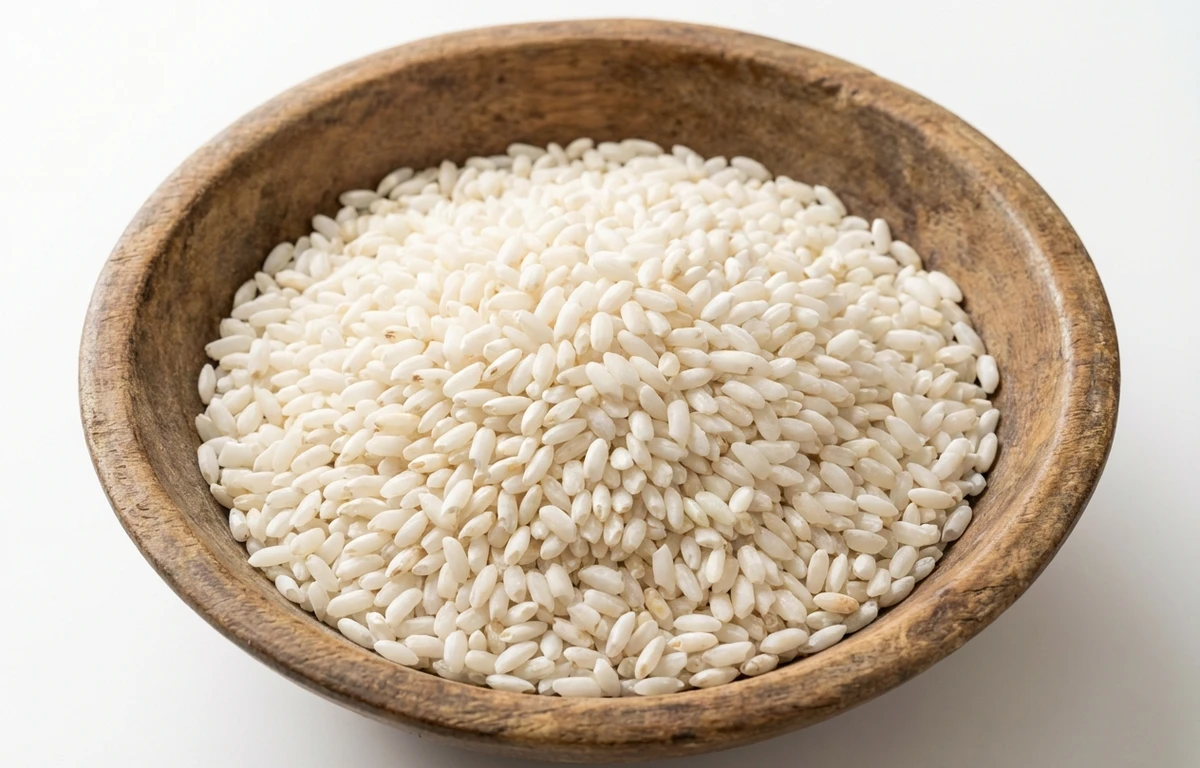
assam sticky rice.
VegetarianVeganGluten-freeDairy-freeNut-freePeanut-freeSoy-freeEgg-freeShellfish-freeHoney-freeAlcohol-free
ALSO KNOWN AS
bora ricebora saul
SERVING
CALORIES
370
PROTEIN
6.9g
CARBS
81g
FAT
0.72g
FIBER
1.4g
NUTRITION PROFILE · per 100 g
Everything in this ingredient.
MACRONUTRIENTS
Calories370kcal—
Protein6.9g14%
Carbohydrates81g29%
Fiber1.4g5%
Sugar0g0%
Total fat0.72g1%
Saturated fat0.19g1%
Cholesterol0mg0%
Water10.8g—
MINERALS
Sodium2.0mg0%
Potassium113mg2%
Calcium10mg1%
Iron0.80mg4%
Magnesium32mg8%
Phosphorus115mg9%
Zinc1.1mg10%
Copper0.23mg26%
Manganese1.1mg47%
Selenium15.1µg27%
VITAMINS
Vitamin A0µg0%
Vitamin C0mg0%
Vitamin D0µg0%
Vitamin E0.11mg1%
Vitamin K0.10µg0%
Thiamin (B1)0.16mg13%
Riboflavin (B2)0.05mg4%
Niacin (B3)1.6mg10%
Pantothenic acid (B5)0.49mg10%
Vitamin B60.16mg9%
Folate (B9)8.0µg2%
Vitamin B120µg0%
%DV based on a 2,000 cal diet. Source: USDA FoodData Central. A dash in the %DV column means there’s no established Daily Value for that nutrient.
MEASUREMENT CONVERSIONS
How much is what.
1 cup185g
1 tablespoon13g
1 teaspoon4g
1 ml0.8g
1 liter866.7g
HEALTH BENEFITS
Why eat it.
- ✓Provides a quick source of energy due to its high carbohydrate content, primarily amylopectin.
- ✓Naturally gluten-free, making it a safe grain choice for individuals with celiac disease or gluten sensitivity.
- ✓Contains essential minerals such as manganese, which is vital for bone health and metabolism, and selenium, an important antioxidant.
- ✓The sticky texture can promote a feeling of fullness, which may help with portion control.
COOKING TIPS
In the kitchen.
- 1Always soak the rice in water for at least 4 hours, or preferably overnight, before cooking. This allows the grains to absorb water and cook evenly.
- 2The best method for cooking sticky rice is steaming, not boiling. Place the soaked and drained rice in a steamer basket lined with cheesecloth or banana leaves and steam for 20-30 minutes.
- 3Avoid stirring the rice while it cooks, as this can break the grains and make them mushy.
- 4For dessert preparations like mango sticky rice, cook the steamed rice with a mixture of coconut milk, sugar, and a pinch of salt to infuse it with flavor.
STORAGE
Keep it fresh.
- Store uncooked assam sticky rice in a cool, dry, and dark place in an airtight container to prevent moisture and pests. It can last for over a year.
- Once cooked, let it cool and store it in an airtight container in the refrigerator for up to 4 days. Reheat by steaming to restore its texture.
FAQ
Frequently asked questions.
Is Assam sticky rice healthy?
Yes, Assam sticky rice is a nutritious grain that provides a quick source of energy and essential minerals like manganese and selenium. It is naturally low in fat and sodium, though it should be consumed in moderation due to its high carbohydrate content.
How many calories and carbs are in Assam sticky rice?
A 100g serving of Assam sticky rice contains approximately 370 calories and 81g of carbohydrates. It is primarily composed of amylopectin starch, which provides the energy density and the characteristic sticky texture.
Is Assam sticky rice gluten-free?
Yes, Assam sticky rice is naturally gluten-free. Despite being called 'glutinous rice,' the term refers to its glue-like, sticky consistency rather than the presence of gluten proteins, making it safe for those with celiac disease.
Can diabetics eat Assam sticky rice?
Diabetics should consume this rice with caution. Because it is high in amylopectin, it has a high glycemic index, which can lead to faster spikes in blood sugar levels compared to whole grains or long-grain basmati rice.
How do you cook Assam sticky rice?
The best method is to soak the rice for 4 to 6 hours (or overnight) and then steam it in a colander or bamboo steamer for 20-25 minutes. This preserves its chewy, sticky texture without making it mushy.
What does Assam sticky rice taste like?
It has a mild, slightly sweet, and nutty flavor profile. Its most defining characteristic is its chewy, translucent, and highly adhesive texture, which makes it popular for both desserts and savory snacks.
Is Assam sticky rice good for weight loss?
While it is calorie-dense, the sticky texture can promote a feeling of fullness and satiety, which may help with portion control. However, it should be balanced with high-fiber vegetables and protein to maintain a weight-loss-friendly diet.
How should I store Assam sticky rice?
Uncooked rice should be stored in an airtight container in a cool, dry, and dark place to prevent moisture and pests. Once cooked, it should be refrigerated and consumed within 1-2 days, as it tends to harden quickly when cold.
Can I substitute Assam sticky rice with regular white rice?
Regular white rice is not a good substitute because it lacks the necessary starch profile to become 'sticky.' If you cannot find Assam sticky rice, the best substitute is Thai glutinous rice or Japanese sweet rice.
What are the specific health benefits of the minerals in this rice?
It is rich in manganese, which is essential for bone health and metabolic function, and selenium, an antioxidant that supports the immune system. These minerals help protect the body from oxidative stress and support overall cellular health.
RECIPES
Cook with assam sticky rice.
5 recipes · sorted by what’s quick



















