
Other1 recipes
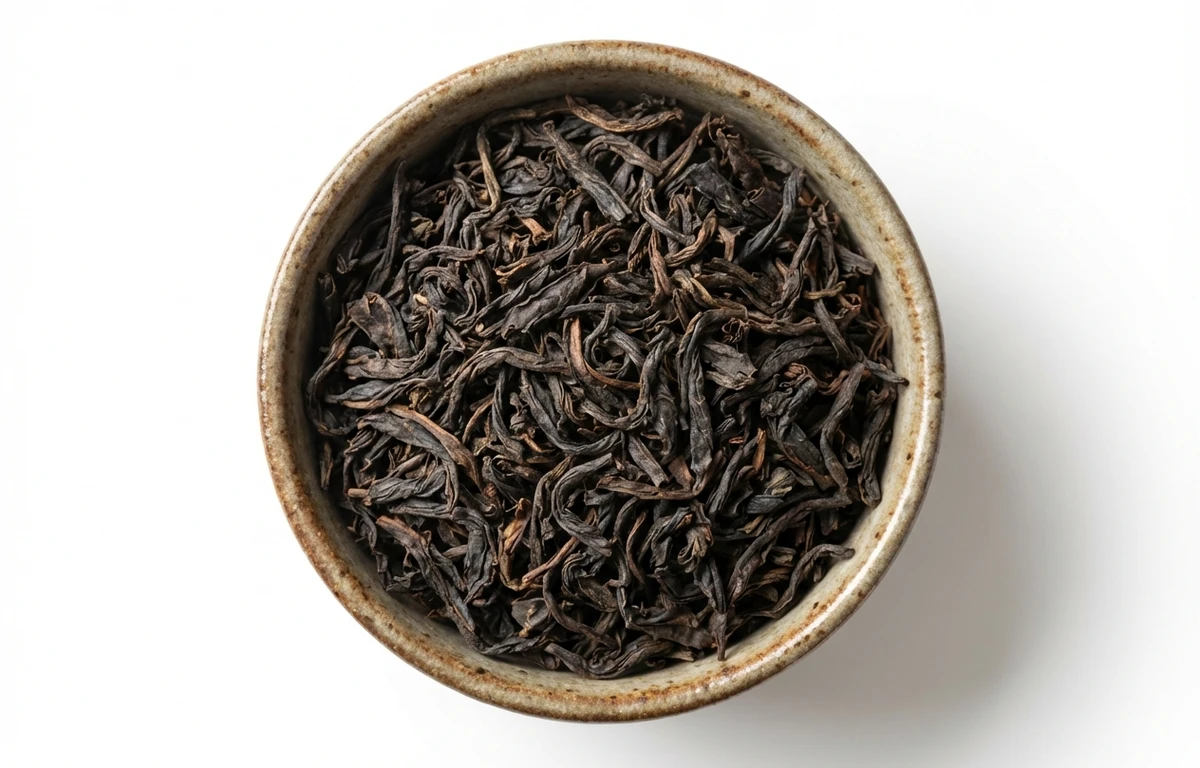
assam tea leaves.
VegetarianVeganGluten-freeDairy-freeNut-freePeanut-freeSoy-freeEgg-freeShellfish-freeHoney-freeAlcohol-freeFermented
ALSO KNOWN AS
assam teaIndian black teaअसम चाय (Asam Chay)
SERVING
CALORIES
295
PROTEIN
24g
CARBS
55g
FAT
4.0g
FIBER
35g
NUTRITION PROFILE · per 100 g
Everything in this ingredient.
MACRONUTRIENTS
Calories295kcal—
Protein24g48%
Carbohydrates55g20%
Fiber35g125%
Sugar0.50g1%
Total fat4.0g5%
Saturated fat0.80g4%
Cholesterol0mg0%
Water7.0g—
MINERALS
Sodium15mg1%
Potassium2200mg47%
Calcium450mg35%
Iron12mg67%
Magnesium290mg69%
Phosphorus500mg40%
Zinc2.8mg25%
Copper1.2mg133%
Manganese10.9mg474%
Selenium1.8µg3%
VITAMINS
Vitamin A0µg0%
Vitamin C0.50mg1%
Vitamin D0µg0%
Vitamin K1.0µg1%
Thiamin (B1)0.07mg6%
Riboflavin (B2)0.80mg62%
Niacin (B3)10.8mg68%
Pantothenic acid (B5)0.50mg10%
Vitamin B60.40mg24%
Folate (B9)100µg25%
%DV based on a 2,000 cal diet. Source: USDA FoodData Central. A dash in the %DV column means there’s no established Daily Value for that nutrient.
MEASUREMENT CONVERSIONS
How much is what.
1 cup20g
1 tablespoon6g
1 teaspoon2g
1 ml0.4g
1 liter400g
HEALTH BENEFITS
Why eat it.
- ✓Rich in antioxidants like theaflavins and thearubigins, which may help combat free radicals.
- ✓Contains caffeine and L-theanine, a combination that can enhance mental alertness and focus.
- ✓May support heart health by potentially helping to reduce LDL cholesterol and blood pressure levels.
- ✓Could promote a healthy gut microbiome by encouraging the growth of beneficial bacteria.
COOKING TIPS
In the kitchen.
- 1Brew using water just off the boil, around 200-212°F (93-100°C), to properly extract its robust flavors.
- 2Steep for 3 to 5 minutes. Adjusting the time will alter the strength and astringency of the tea.
- 3Assam's strong, malty character makes it an ideal base for milk teas like Masala Chai or a traditional English Breakfast blend.
- 4To make iced tea, brew it at double strength and pour over a full glass of ice to prevent dilution.
STORAGE
Keep it fresh.
- Store in a cool, dark, dry place inside an airtight, opaque container to protect from light, moisture, and air.
- Keep away from strong-smelling items like spices or coffee, as the tea leaves can absorb odors.
FAQ
Frequently asked questions.
Is Assam tea healthy?
Yes, Assam tea is highly nutritious and rich in antioxidants like theaflavins and thearubigins, which help combat oxidative stress. It also contains L-theanine and caffeine, a combination that enhances mental focus while potentially supporting heart and gut health.
How much caffeine is in Assam tea?
Assam tea is known for its high caffeine content, typically ranging from 60 to 110mg per 8-ounce cup. This makes it significantly stronger than green or white teas and a popular choice for morning 'breakfast' blends.
Is Assam tea vegan and gluten-free?
Pure Assam tea leaves are naturally both vegan and gluten-free as they are derived solely from the Camellia sinensis plant. However, if you are buying pre-packaged tea bags or flavored blends, always check the label for added flavorings or processing agents that might contain gluten or animal products.
Is Assam tea keto-friendly?
Yes, brewed Assam tea is excellent for a keto diet as it contains zero net carbs and almost no calories when consumed plain. To keep it keto-friendly, avoid adding sugar or honey, and use heavy cream or a keto-approved sweetener if desired.
What does Assam tea taste like?
Assam tea is famous for its bold, full-bodied, and 'malty' flavor profile. It has a deep amber color and a brisk, astringent quality that makes it robust enough to stand up to the addition of milk and sugar.
How do you brew the perfect cup of Assam tea?
Use one teaspoon of loose leaves per 8 ounces of water heated to approximately 200°F (95°C). Steep the leaves for 3 to 5 minutes; steeping longer than 5 minutes may result in an overly bitter or astringent taste due to the high tannin content.
Can I use Assam tea to make Masala Chai?
Yes, Assam tea is the traditional base for Indian Masala Chai because its strong, malty flavor is not easily masked by spices. Its robustness ensures the tea flavor remains prominent even when boiled with milk, sugar, and spices like ginger and cardamom.
How should I store Assam tea leaves?
Store your tea leaves in an airtight container in a cool, dark, and dry place. Keep them away from strong-smelling spices or foods, as tea leaves easily absorb surrounding odors, which can ruin their natural flavor profile.
Does Assam tea expire?
Assam tea leaves don't technically expire in a way that makes them unsafe, but they will lose their flavor, aroma, and antioxidant potency over time. For the best experience, try to consume the leaves within 12 to 24 months of purchase.
Is Assam tea good for weight loss?
While not a magic solution, the caffeine in Assam tea can slightly boost metabolism and fat oxidation. When consumed without added sweeteners or high-calorie creamers, it serves as a healthy, near-zero-calorie alternative to sugary beverages.
RECIPES
Cook with assam tea leaves.
1 recipes · sorted by what’s quick



















