
Other3 recipes
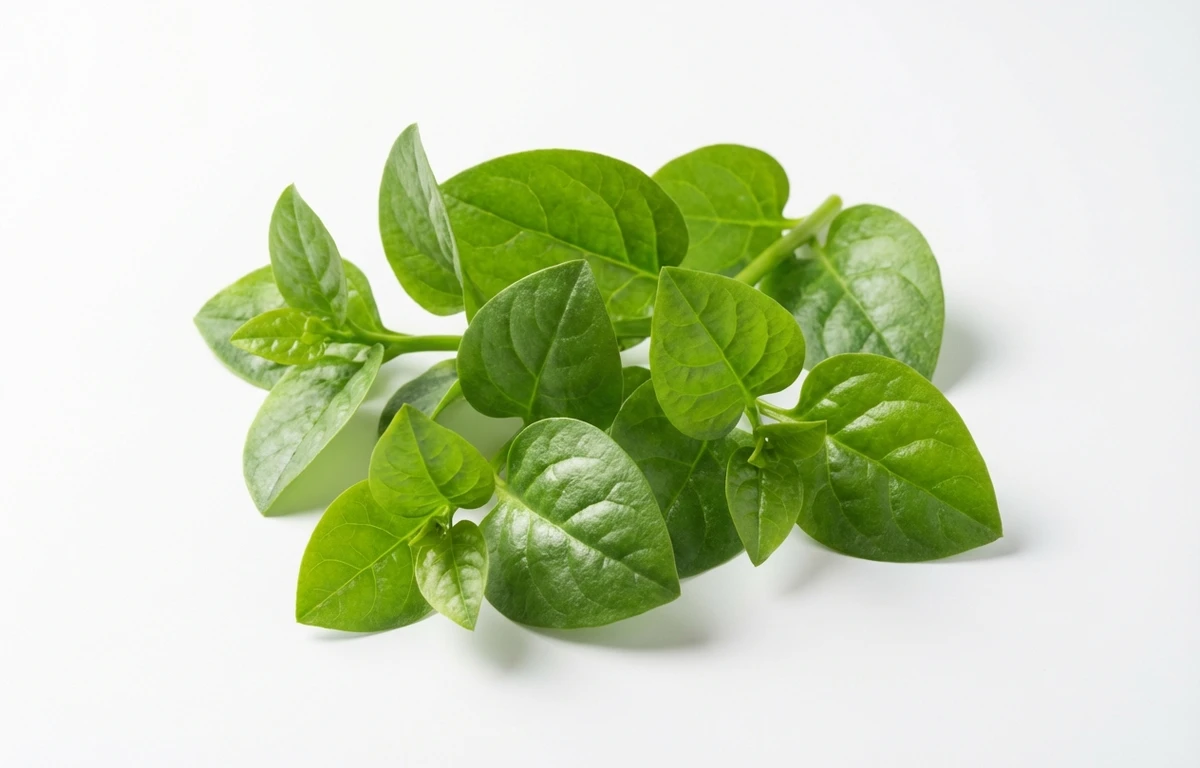
babori leaves.
VegetarianVeganGluten-freeDairy-freeNut-freePeanut-freeSoy-freeEgg-freeShellfish-freeHoney-freeAlcohol-free
ALSO KNOWN AS
babori saakbabori xaak
SERVING
CALORIES
25
PROTEIN
2.0g
CARBS
4.0g
FAT
0.30g
FIBER
2.0g
NUTRITION PROFILE · per 100 g
Everything in this ingredient.
MACRONUTRIENTS
Calories25kcal—
Protein2.0g4%
Carbohydrates4.0g1%
Fiber2.0g7%
Sugar1.0g2%
Total fat0.30g0%
Saturated fat0.05g0%
Cholesterol0mg0%
Water88g—
MINERALS
Sodium10mg0%
Potassium300mg6%
Calcium100mg8%
Iron3.0mg17%
Magnesium40mg10%
Phosphorus50mg4%
Zinc0.50mg5%
VITAMINS
Vitamin A200µg22%
Vitamin C20mg22%
Vitamin D0µg0%
Thiamin (B1)0.08mg7%
Riboflavin (B2)0.15mg12%
Niacin (B3)0.60mg4%
Vitamin B60.12mg7%
%DV based on a 2,000 cal diet. Source: USDA FoodData Central. A dash in the %DV column means there’s no established Daily Value for that nutrient.
MEASUREMENT CONVERSIONS
How much is what.
1 cup30g
1 oz28.4g
1 lb453.6g
1 piece3g
HEALTH BENEFITS
Why eat it.
- ✓Traditionally used in Ayurvedic medicine for skin conditions like vitiligo and psoriasis due to its psoralen content.
- ✓Rich in antioxidants, such as flavonoids and coumarins, which help protect cells from oxidative damage.
- ✓Possesses anti-inflammatory and antibacterial properties, potentially aiding in reducing inflammation and fighting certain infections.
- ✓Good source of dietary fiber, which supports digestive health and regular bowel movements.
COOKING TIPS
In the kitchen.
- 1Babori leaves can be bitter; blanching them in boiling salted water for a minute can help mellow their flavor before adding to dishes.
- 2Incorporate into stir-fries, lentil dals, or curries, adding them near the end of the cooking time as they wilt quickly like spinach.
- 3The leaves pair well with strong flavors like garlic, ginger, chili, and spices such as cumin and turmeric.
- 4Finely chop and mix with chickpea flour (besan) and spices to make savory pancakes or fritters.
STORAGE
Keep it fresh.
- Store fresh leaves wrapped in a damp paper towel inside a perforated plastic bag in the refrigerator's crisper drawer for 3-5 days.
- For longer-term storage, blanch the leaves for two minutes, plunge into ice water, drain well, and freeze in airtight containers.
FAQ
Frequently asked questions.
What are the health benefits of babori leaves?
Babori leaves are rich in antioxidants like flavonoids and coumarins, which protect cells from oxidative damage. They are traditionally used in Ayurvedic medicine to treat skin conditions such as vitiligo and psoriasis due to their psoralen content. Additionally, they offer anti-inflammatory and antibacterial properties.
What is the nutritional profile of babori leaves?
Per 100g, babori leaves contain approximately 25 calories, 2g of protein, 4g of carbohydrates, and 0.3g of fat. They are also a good source of dietary fiber, which supports digestive health and regular bowel movements.
Are babori leaves good for weight loss?
Yes, babori leaves can be a helpful addition to a weight loss diet because they are very low in calories (25 per 100g) and fat. Their dietary fiber content also helps promote a feeling of fullness, which can reduce overall calorie intake.
Are babori leaves vegan and gluten-free?
Yes, babori leaves are a plant-based vegetable, making them 100% vegan. They are also naturally gluten-free, making them safe for individuals with celiac disease or gluten sensitivities.
Are babori leaves keto-friendly?
Babori leaves are keto-friendly as they contain only 4g of total carbohydrates per 100g. When the dietary fiber is subtracted, the net carb count is even lower, making them suitable for low-carb and ketogenic lifestyles.
How do you cook or prepare babori leaves?
Babori leaves can be prepared similarly to other leafy greens; they are often sautéed with spices, added to soups, or used in traditional stir-fries. It is important to wash them thoroughly before cooking to remove any dirt or debris.
What do babori leaves taste like?
Babori leaves generally have an earthy and slightly bitter flavor profile, which is common among medicinal herbs. They are often paired with aromatic spices like garlic, ginger, and cumin to balance their natural bitterness.
How should I store fresh babori leaves?
To keep babori leaves fresh, wrap them in a damp paper towel and place them in a perforated plastic bag in the refrigerator's crisper drawer. They typically stay fresh for 3 to 5 days when stored this way.
Why are babori leaves used for skin conditions?
Babori leaves contain psoralens, which are compounds that can help the skin react to ultraviolet light, aiding in the repigmentation of skin in conditions like vitiligo. They have been a staple in traditional medicine for centuries for managing various dermatological issues.
Are there any precautions when eating babori leaves?
While nutritious, the psoralens in babori leaves can increase the skin's sensitivity to sunlight. If you are consuming them in large medicinal quantities or applying them topically, it is advisable to monitor sun exposure and consult with a healthcare provider.
RECIPES
Cook with babori leaves.
3 recipes · sorted by what’s quick



















