vegetable10 recipes
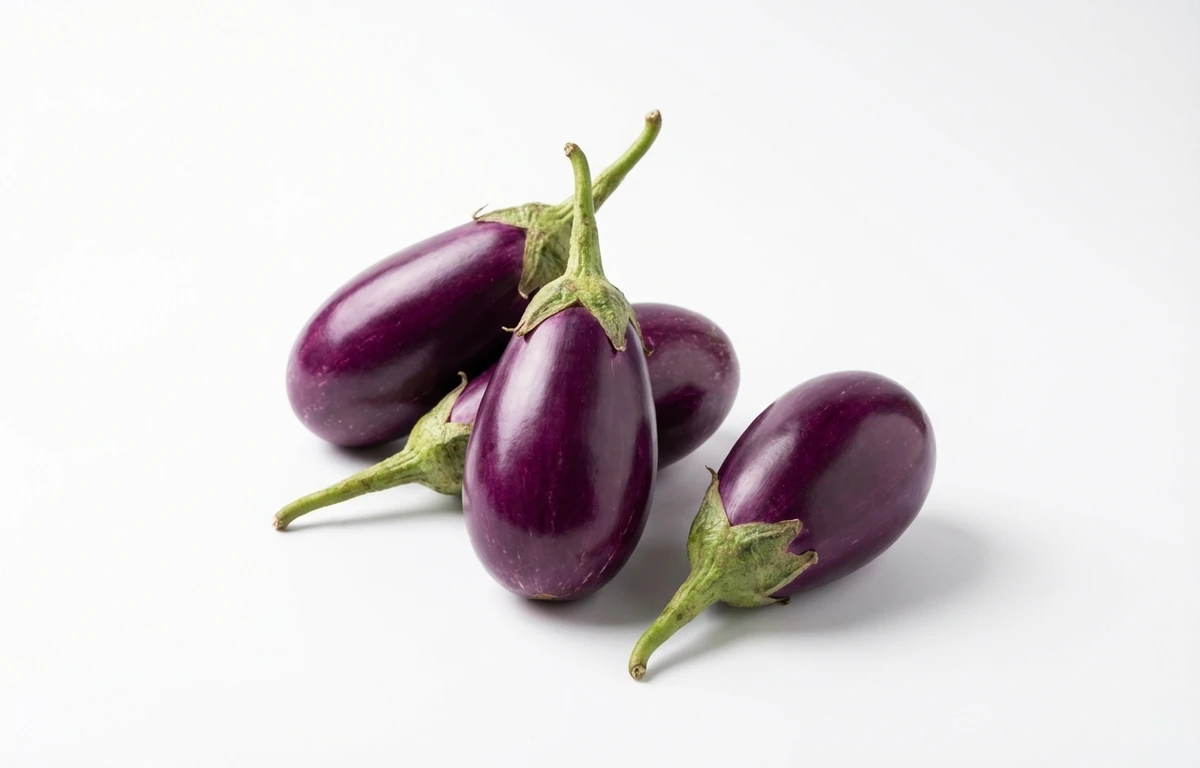
Baby Brinjals.
VegetarianVeganGluten-freeDairy-freeNut-freePeanut-freeSoy-freeEgg-freeShellfish-freeHoney-freeAlcohol-free
SERVING
CALORIES
25
PROTEIN
0.98g
CARBS
5.9g
FAT
0.18g
FIBER
3.0g
NUTRITION PROFILE · per 100 g
Everything in this ingredient.
MACRONUTRIENTS
Calories25kcal—
Protein0.98g2%
Carbohydrates5.9g2%
Fiber3.0g11%
Sugar3.5g7%
Total fat0.18g0%
Saturated fat0.03g0%
Cholesterol0mg0%
Water92.3g—
MINERALS
Sodium2.0mg0%
Potassium229mg5%
Calcium9.0mg1%
Iron0.23mg1%
Magnesium14mg3%
Phosphorus24mg2%
Zinc0.16mg1%
Copper0.08mg9%
Manganese0.23mg10%
Selenium0.30µg1%
VITAMINS
Vitamin A23µg3%
Vitamin C2.2mg2%
Vitamin D0µg0%
Vitamin E0.30mg2%
Vitamin K3.5µg3%
Thiamin (B1)0.04mg3%
Riboflavin (B2)0.04mg3%
Niacin (B3)0.65mg4%
Pantothenic acid (B5)0.28mg6%
Vitamin B60.08mg5%
Folate (B9)22µg6%
Vitamin B120µg0%
%DV based on a 2,000 cal diet. Source: USDA FoodData Central. A dash in the %DV column means there’s no established Daily Value for that nutrient.
MEASUREMENT CONVERSIONS
How much is what.
1 oz28.4g
1 lb453.6g
1 piece50g
HEALTH BENEFITS
Why eat it.
- ✓Rich in antioxidants, protecting cells from damage.
- ✓High in fiber, aiding digestion and promoting satiety.
- ✓Contains potassium, supporting heart health and blood pressure.
- ✓Low in calories, making it suitable for weight management.
- ✓Provides various vitamins and minerals for overall well-being.
COOKING TIPS
In the kitchen.
- 1Baby brinjals are excellent for curries, stir-fries, and roasting due to their tender texture.
- 2Slit them partially and stuff with spices for a traditional Indian preparation.
- 3They can be grilled or pan-fried whole or halved until tender and slightly charred.
STORAGE
Keep it fresh.
- Store whole, unwashed baby brinjals in a cool, dry place or in the refrigerator's crisper drawer.
- Avoid storing with fruits that emit ethylene gas (like apples or bananas) as it can accelerate spoilage.
- Use within 5-7 days for best freshness.
FAQ
Frequently asked questions.
Are baby brinjals healthy?
Yes, baby brinjals are very healthy as they are low in calories (25 per 100g) and rich in antioxidants like nasunin. They provide essential nutrients including fiber for digestion and potassium for heart health, making them a nutrient-dense addition to most diets.
Are baby brinjals good for weight loss?
Baby brinjals are excellent for weight loss because they are very low in calories and fat. Their high fiber content promotes satiety, helping you feel full for longer periods and reducing the likelihood of overeating.
Are baby brinjals keto-friendly?
Yes, baby brinjals are keto-friendly. With approximately 5.88g of carbohydrates per 100g and a good amount of fiber, the net carb count is low enough to fit into a standard ketogenic or low-carb lifestyle.
How do you cook baby brinjals?
Baby brinjals are versatile and can be roasted, grilled, or sautéed. They are particularly popular in Indian cuisine for stuffed curry dishes (like Gutti Vankaya) because their small size allows them to cook quickly and absorb spices evenly.
Do I need to peel baby brinjals?
No, you do not need to peel baby brinjals. Their skin is thin, tender, and edible, and it contains the majority of the vegetable's beneficial antioxidants and fiber.
What do baby brinjals taste like?
Baby brinjals have a mild, slightly sweet, and earthy flavor. They are generally less bitter than larger eggplant varieties and develop a creamy, silky texture when cooked.
How do you store baby brinjals and how long do they last?
Store baby brinjals in the crisper drawer of your refrigerator in a perforated plastic bag. They are best used within 4 to 7 days; you will know they are spoiling if the skin becomes wrinkled or soft spots appear.
Can you eat baby brinjals raw?
While not toxic, baby brinjals are rarely eaten raw due to their spongy texture and slightly bitter raw taste. Cooking them breaks down the fibers and enhances their natural sweetness and texture.
Are baby brinjals vegan and gluten-free?
Yes, baby brinjals are a natural vegetable and are both 100% vegan and naturally gluten-free. They are an excellent meat substitute in various plant-based recipes due to their hearty texture.
How do I select the best baby brinjals at the store?
Choose baby brinjals that feel heavy for their size and have smooth, shiny, deep purple skin. The stems should be bright green and firm; avoid any that have soft spots, dull skin, or brown patches.
RECIPES
Cook with baby brinjals.
10 recipes · sorted by what’s quick