vegetable
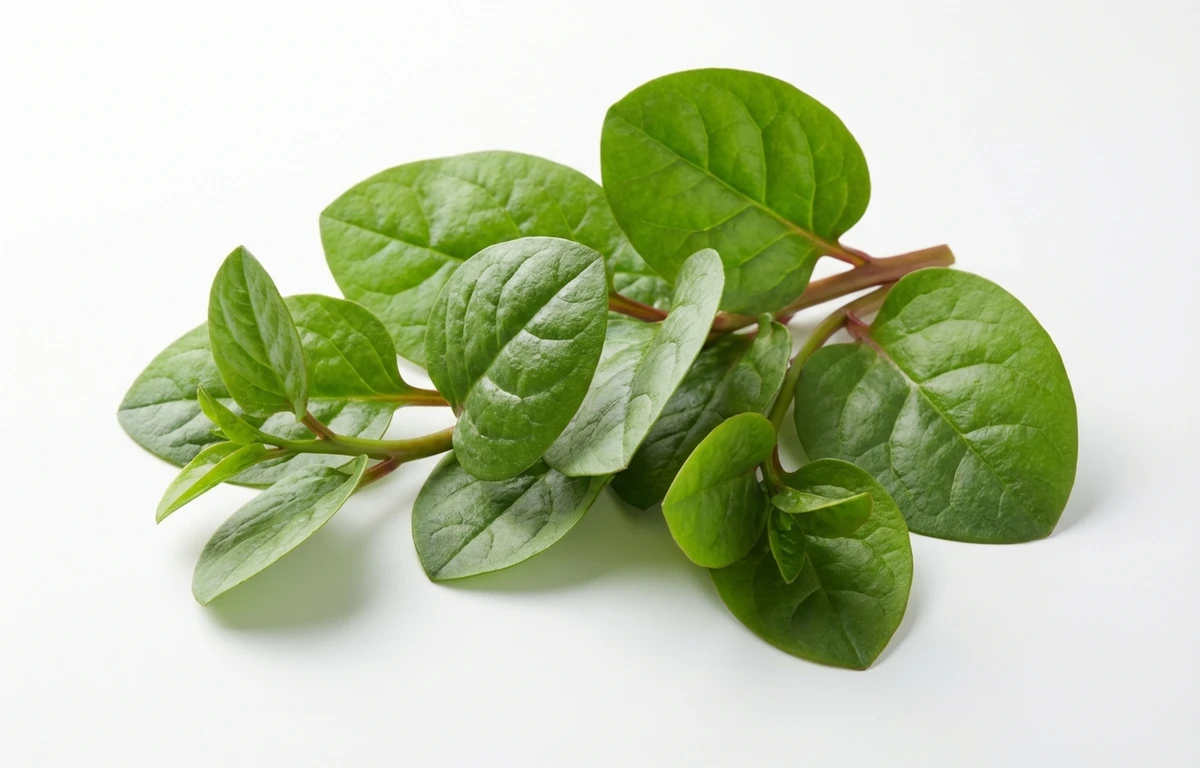
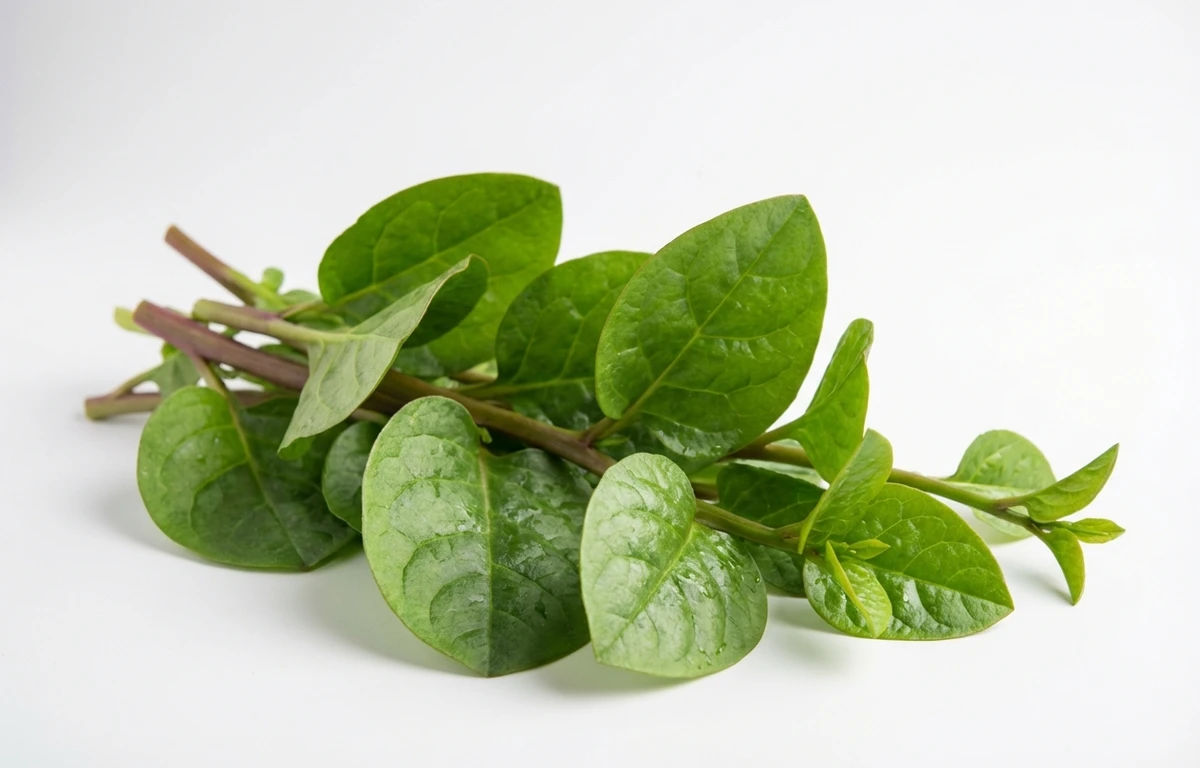
bachali aaku.
VegetarianVeganGluten-freeDairy-freeNut-freePeanut-freeSoy-freeEgg-freeShellfish-freeHoney-freeAlcohol-freeHalalKosher
SERVING
CALORIES
19
PROTEIN
1.8g
CARBS
3.4g
FAT
0.30g
FIBER
2.1g
NUTRITION PROFILE · per 100 g
Everything in this ingredient.
MACRONUTRIENTS
Calories19kcal—
Protein1.8g4%
Carbohydrates3.4g1%
Fiber2.1g8%
Sugar1.1g2%
Total fat0.30g0%
Saturated fat0.06g0%
Trans fat0g—
Cholesterol0mg0%
Water93.1g—
MINERALS
Sodium24mg1%
Potassium510mg11%
Calcium109mg8%
Iron1.2mg7%
Magnesium65mg15%
Phosphorus52mg4%
Zinc0.43mg4%
Copper0.13mg14%
Manganese0.78mg34%
Selenium0.90µg2%
VITAMINS
Vitamin A400µg44%
Vitamin C102mg113%
Vitamin D0µg0%
Vitamin E0.87mg6%
Thiamin (B1)0.05mg4%
Riboflavin (B2)0.07mg5%
Niacin (B3)0.50mg3%
Pantothenic acid (B5)0.08mg2%
Vitamin B60.25mg15%
Folate (B9)140µg35%
Vitamin B120µg0%
%DV based on a 2,000 cal diet. Source: USDA FoodData Central. A dash in the %DV column means there’s no established Daily Value for that nutrient.
MEASUREMENT CONVERSIONS
How much is what.
1 cup35g
HEALTH BENEFITS
Why eat it.
- ✓Rich in Vitamin A and Vitamin C, which support immune function and skin health.
- ✓Excellent source of iron, essential for preventing anemia and maintaining energy levels.
- ✓High in dietary fiber, aiding digestion, promoting gut health, and helping to regulate blood sugar levels.
- ✓Contains significant amounts of calcium and magnesium, crucial for strong bones and muscle function.
COOKING TIPS
In the kitchen.
- 1Cook quickly via stir-frying or steaming to preserve its texture and nutrients. Overcooking can enhance its natural mucilaginous (slimy) quality.
- 2The thick stems are also edible but require a longer cooking time. Chop them and add to the dish a few minutes before adding the leaves.
- 3Its ability to thicken liquids makes it a great addition to soups, stews, and lentil dishes like dal.
- 4Pairs well with bold flavors such as garlic, ginger, tamarind, and chili, which complement its mild, earthy taste.
STORAGE
Keep it fresh.
- Wrap unwashed leaves in a damp paper towel and place them in a plastic bag in the refrigerator's crisper drawer. Use within 3-5 days for best freshness.
- For longer storage, blanch the leaves for two minutes, shock them in an ice bath, drain thoroughly, and freeze in an airtight container for up to 6 months.
FAQ
Frequently asked questions.
Is bachali aaku healthy?
Yes, bachali aaku is highly nutritious and very low in calories, providing only 19 calories per 100g. It is a powerhouse of vitamins A and C, iron, and fiber, which support everything from immune function to digestive health.
What are the primary health benefits of bachali aaku?
Bachali aaku is an excellent source of iron, which helps prevent anemia and maintain energy levels. Its high fiber content aids digestion and blood sugar regulation, while its calcium and magnesium content supports strong bones and muscle function.
Is bachali aaku good for weight loss?
Yes, it is an ideal food for weight loss because it is low in fat and calories but high in dietary fiber. The fiber helps promote a feeling of fullness, which can reduce overall calorie consumption throughout the day.
Is bachali aaku keto-friendly?
Bachali aaku is very keto-friendly as it contains only 3.4g of carbohydrates per 100g. It allows those on a low-carb diet to consume a high volume of food and essential minerals without exceeding their daily carb limits.
Is bachali aaku vegan and gluten-free?
Yes, bachali aaku is a leafy green vegetable and is naturally both vegan and gluten-free. It is a safe and healthy ingredient for individuals with celiac disease or those following a plant-based lifestyle.
How do you cook bachali aaku?
It is most commonly used in dals (lentil stews), stir-fries, and curries. In South Indian cuisine, it is frequently cooked with pigeon peas (toor dal) or tempered with mustard seeds, chilies, and garlic for a simple side dish.
What does bachali aaku taste like?
It has a mild, earthy flavor similar to common spinach but with a slightly peppery undertone. The leaves are thicker and more succulent, and when cooked, they can have a slightly mucilaginous (slimy) texture similar to okra.
Can I eat bachali aaku raw?
Yes, the young and tender leaves of bachali aaku can be eaten raw in salads or used as a crunchy addition to sandwiches. However, older leaves are better enjoyed cooked as they can be quite thick and fibrous.
How do you store bachali aaku to keep it fresh?
Store the leaves in a perforated plastic bag or wrap them in a dry paper towel inside a container in the refrigerator's crisper drawer. It is best consumed within 2 to 4 days of purchase for the best flavor and nutrient density.
How can you tell if bachali aaku has gone bad?
Fresh bachali aaku should have bright green, firm, and crisp leaves. If the leaves appear yellow, feel slimy to the touch, or have developed dark, watery spots, the vegetable has spoiled and should be discarded.