Fruit1 recipes
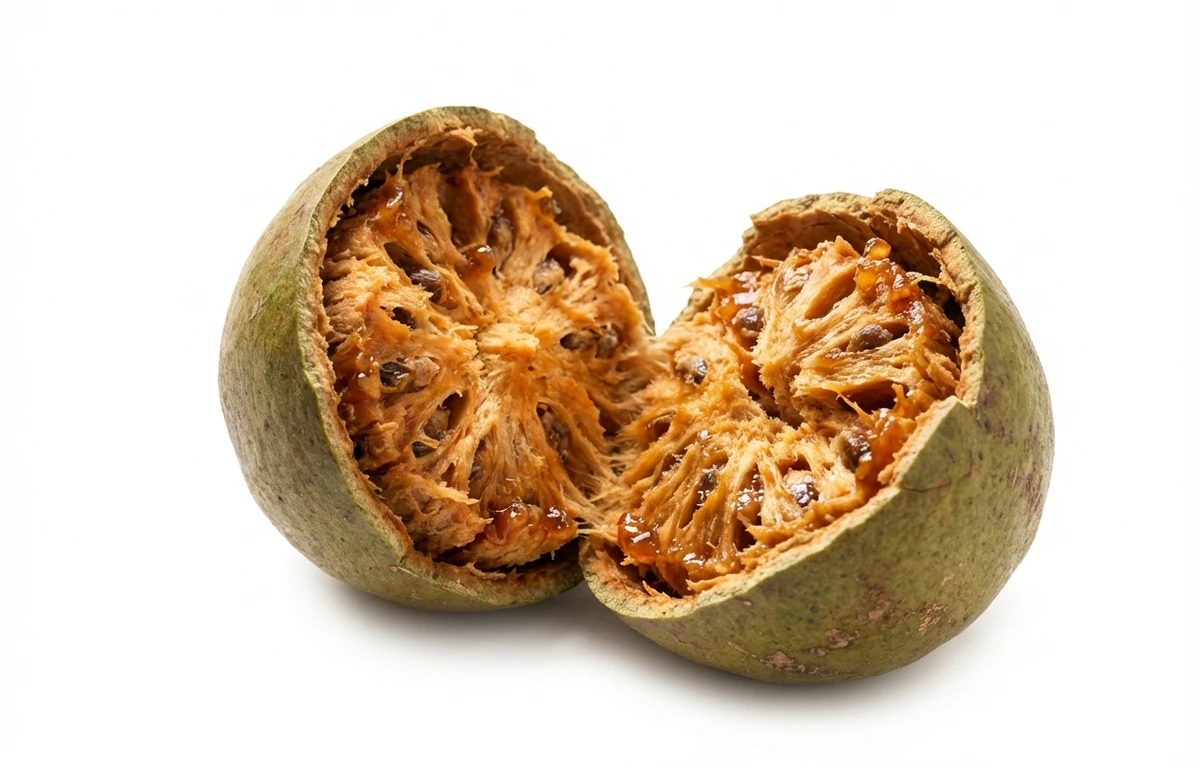
bael fruit.
VegetarianVeganGluten-freeDairy-freeNut-freePeanut-freeSoy-freeEgg-freeShellfish-freeHoney-freeAlcohol-free
ALSO KNOWN AS
wood applestone applebengal quincebilvamareduvilvamsirphalaegle marmelos
SERVING
CALORIES
137
PROTEIN
1.8g
CARBS
31.8g
FAT
0.30g
FIBER
2.9g
NUTRITION PROFILE · per 100 g
Everything in this ingredient.
MACRONUTRIENTS
Calories137kcal—
Protein1.8g4%
Carbohydrates31.8g12%
Fiber2.9g10%
Sugar18g36%
Total fat0.30g0%
Saturated fat0.05g0%
Trans fat0g—
Cholesterol0mg0%
Water61.5g—
MINERALS
Sodium0mg0%
Potassium600mg13%
Calcium85mg7%
Iron0.60mg3%
Magnesium45mg11%
Phosphorus50mg4%
Zinc0.10mg1%
Copper0.10mg11%
Manganese0.10mg4%
Selenium0.50µg1%
VITAMINS
Vitamin A55µg6%
Vitamin C10mg11%
Vitamin D0µg0%
Vitamin E0.50mg3%
Vitamin K0µg0%
Thiamin (B1)0.13mg11%
Riboflavin (B2)1.2mg92%
Niacin (B3)1.1mg7%
Biotin (B7)1.1µg4%
Vitamin B120µg0%
%DV based on a 2,000 cal diet. Source: USDA FoodData Central. A dash in the %DV column means there’s no established Daily Value for that nutrient.
MEASUREMENT CONVERSIONS
How much is what.
1 cup240g
1 tablespoon15g
1 oz28.4g
1 lb453.6g
1 piece700g
HEALTH BENEFITS
Why eat it.
- ✓Excellent for digestive health and treating constipation
- ✓Rich in riboflavin (Vitamin B2) which supports energy metabolism
- ✓Contains antimicrobial and antifungal properties
- ✓Traditionally used to manage respiratory issues
- ✓High antioxidant content helps reduce oxidative stress
COOKING TIPS
In the kitchen.
- 1To open, hit the hard outer shell against a hard surface or use a hammer
- 2Always strain the pulp through a sieve to remove the bitter seeds and fibrous threads
- 3Avoid cooking the pulp on high heat as it can become bitter; use it raw in drinks or jams
STORAGE
Keep it fresh.
- Store unripe fruit at room temperature until the shell turns yellow-green
- Once ripe, scoop out the pulp and store in an airtight container in the fridge for up to 5 days
- The pulp can be frozen for up to 3 months for use in juices and smoothies
FAQ
Frequently asked questions.
How do I know if a bael fruit is ripe?
A ripe bael fruit will have a yellowish-orange shell instead of green and will emit a strong, sweet, floral aroma.
Can you eat bael fruit seeds?
No, the seeds are encased in a sticky mucilage and are very bitter. They should be removed and discarded during preparation.
What does bael fruit taste like?
It has a unique sweet and aromatic flavor, often described as a mix of papaya, lime, and marmalade with a floral scent.
How do you prepare bael juice (Sharbat)?
Scoop out the pulp, soak it in water for a few minutes, mash it by hand, and strain to remove seeds and fiber. Add sugar or jaggery and chilled water.
Is bael fruit the same as wood apple?
While often called wood apple, it is technically Aegle marmelos. It is different from the 'Kaitha' (Limonia acidissima), which has a rougher, darker shell and more acidic pulp.
Can bael fruit help with diarrhea?
Yes, unripe bael fruit is traditionally used in Ayurveda to treat diarrhea and dysentery due to its astringent properties.
Is bael fruit safe for everyone?
It is generally safe, but excessive consumption may cause bloating or stomach upset. Pregnant women should consult a doctor before consuming medicinal amounts.
What are the common culinary uses of bael?
It is most commonly used to make refreshing summer drinks (sharbat), jams, jellies, and candies (murabba).
RECIPES
Cook with bael fruit.
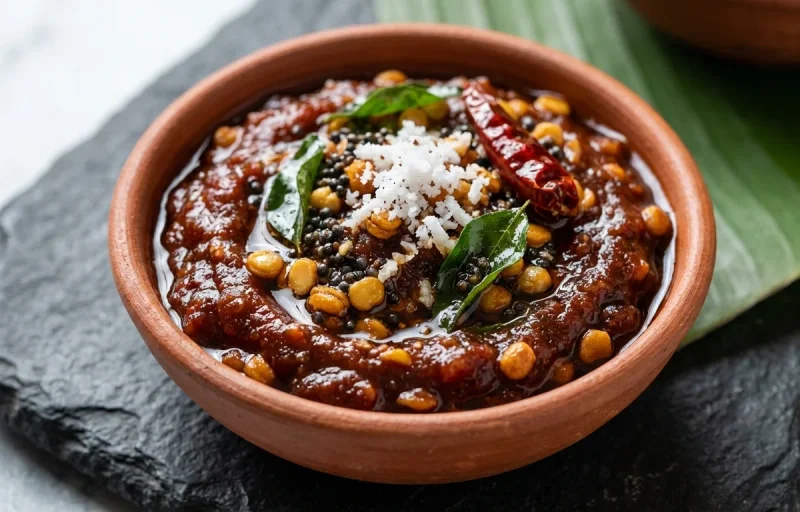
1 recipes · sorted by what’s quick