
Grain
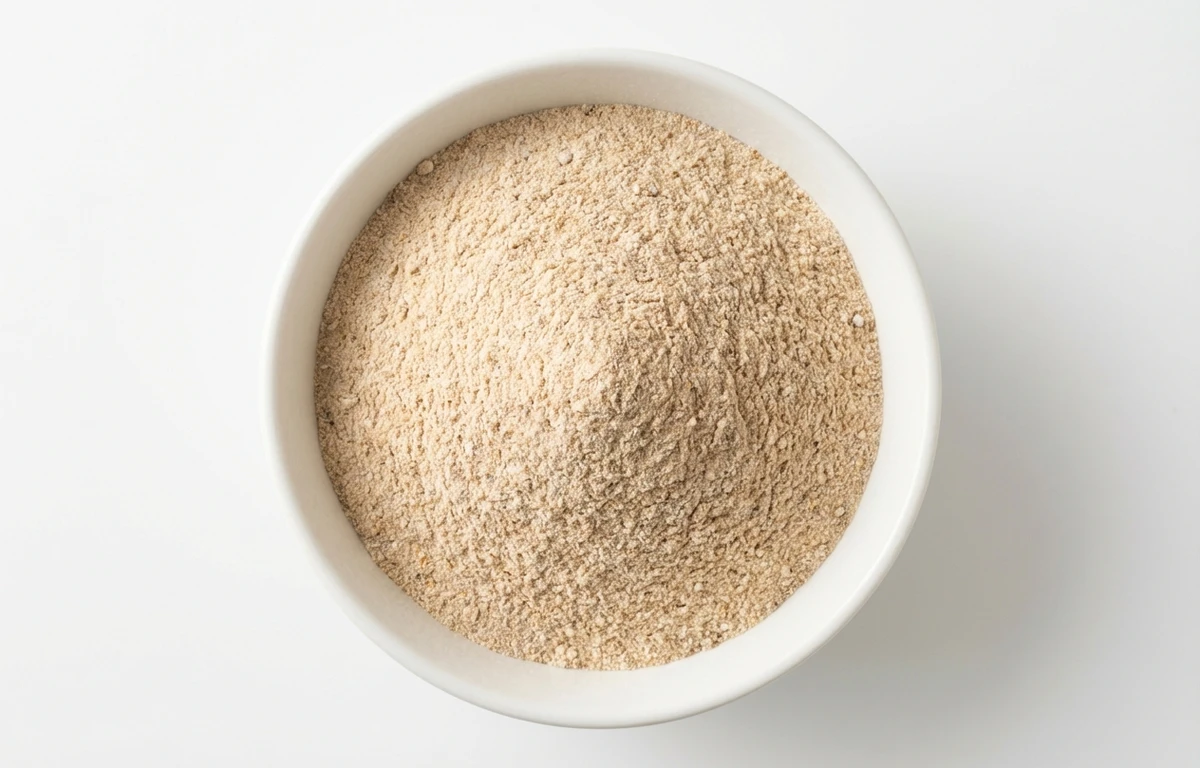
barley malt flour.
VegetarianVeganGluten-freeDairy-freeNut-freePeanut-freeSoy-freeEgg-freeShellfish-freeHoney-freeAlcohol-freeWhole grain
ALSO KNOWN AS
malted barley flourmalt flour
SERVING
CALORIES
361
PROTEIN
10.3g
CARBS
78.3g
FAT
1.8g
FIBER
7.1g
NUTRITION PROFILE · per 100 g
Everything in this ingredient.
MACRONUTRIENTS
Calories361kcal—
Protein10.3g21%
Carbohydrates78.3g28%
Fiber7.1g25%
Sugar0.80g2%
Total fat1.8g2%
Saturated fat0.40g2%
Trans fat0g—
Cholesterol0mg0%
Water8.2g—
MINERALS
Sodium11mg0%
Potassium224mg5%
Calcium37mg3%
Iron4.7mg26%
Magnesium91mg22%
Phosphorus290mg23%
Zinc2.1mg19%
Copper0.30mg33%
Manganese1.1mg48%
Selenium37.7µg69%
VITAMINS
Vitamin A0µg0%
Vitamin C0.60mg1%
Vitamin D0µg0%
Vitamin E0.60mg4%
Vitamin K2.2µg2%
Thiamin (B1)0.31mg26%
Riboflavin (B2)0.31mg24%
Niacin (B3)5.6mg35%
Pantothenic acid (B5)0.60mg12%
Vitamin B60.40mg24%
Folate (B9)38µg10%
Vitamin B120µg0%
%DV based on a 2,000 cal diet. Source: USDA FoodData Central. A dash in the %DV column means there’s no established Daily Value for that nutrient.
MEASUREMENT CONVERSIONS
How much is what.
1 cup145g
1 tablespoon9g
1 teaspoon3g
1 oz28.4g
1 lb453.6g
1 liter1666.7g
HEALTH BENEFITS
Why eat it.
- ✓Rich in dietary fiber for digestive health
- ✓High in selenium which supports immune function
- ✓Contains B-complex vitamins for energy metabolism
- ✓Source of essential minerals like magnesium and phosphorus
- ✓Lower glycemic index than many refined wheat flours
COOKING TIPS
In the kitchen.
- 1Use in small amounts (0.5% to 1% of total flour weight) to improve bread rise
- 2Adds a rich, malty flavor and deep brown color to crusts
- 3Enzymes in the flour help convert starches to sugars for yeast feeding
STORAGE
Keep it fresh.
- Store in an airtight container to prevent moisture absorption
- Keep in a cool, dark, and dry pantry for up to 6 months
- Refrigerate or freeze in a sealed bag to extend shelf life to 1 year
FAQ
Frequently asked questions.
What is barley malt flour?
It is flour made from barley that has been germinated (malted), dried, and then ground into a fine powder.
Is barley malt flour gluten-free?
No, barley contains gluten and is not suitable for those with celiac disease or gluten sensitivity.
What is the difference between this and regular barley flour?
Malt flour is made from sprouted grains, which activates enzymes that break down starches; regular barley flour is made from unsprouted grain.
How long does barley malt flour last?
It typically lasts 6 months in a cool pantry or up to 12 months if stored in the freezer.
Can I use it as a 1:1 substitute for wheat flour?
No, it is an additive. Using too much can make dough gummy due to high enzyme activity. Use it sparingly.
Is it vegan?
Yes, barley malt flour is a plant-based product and is 100% vegan.
Why is it used in bread making?
It provides food for yeast, improves the volume of the loaf, and enhances the color and flavor of the crust.
How can I tell if it has gone bad?
Check for a rancid or musty smell, or the presence of small clumps or insects.
Does it contain sugar?
It contains very little natural sugar, but its enzymes create sugar from starch when mixed into dough.
Can I freeze barley malt flour?
Yes, freezing is an excellent way to preserve the enzymatic activity and prevent the natural oils from going rancid.



















