seafood6 recipes
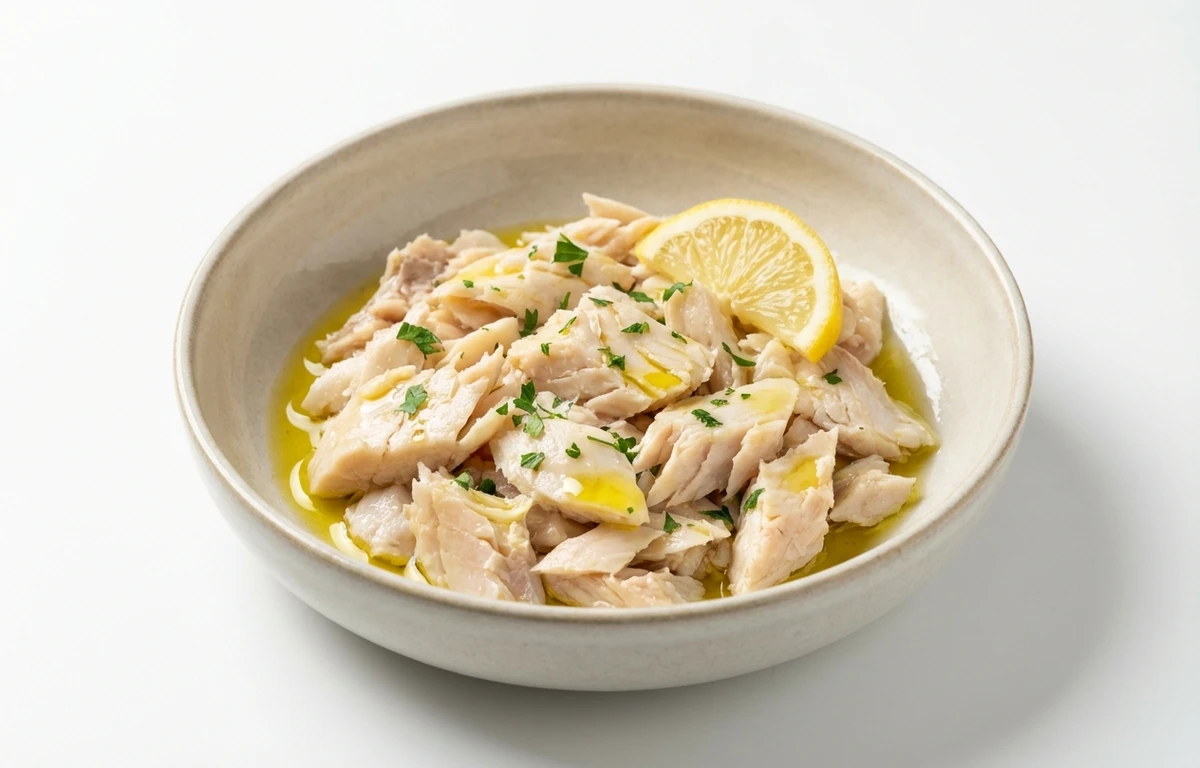
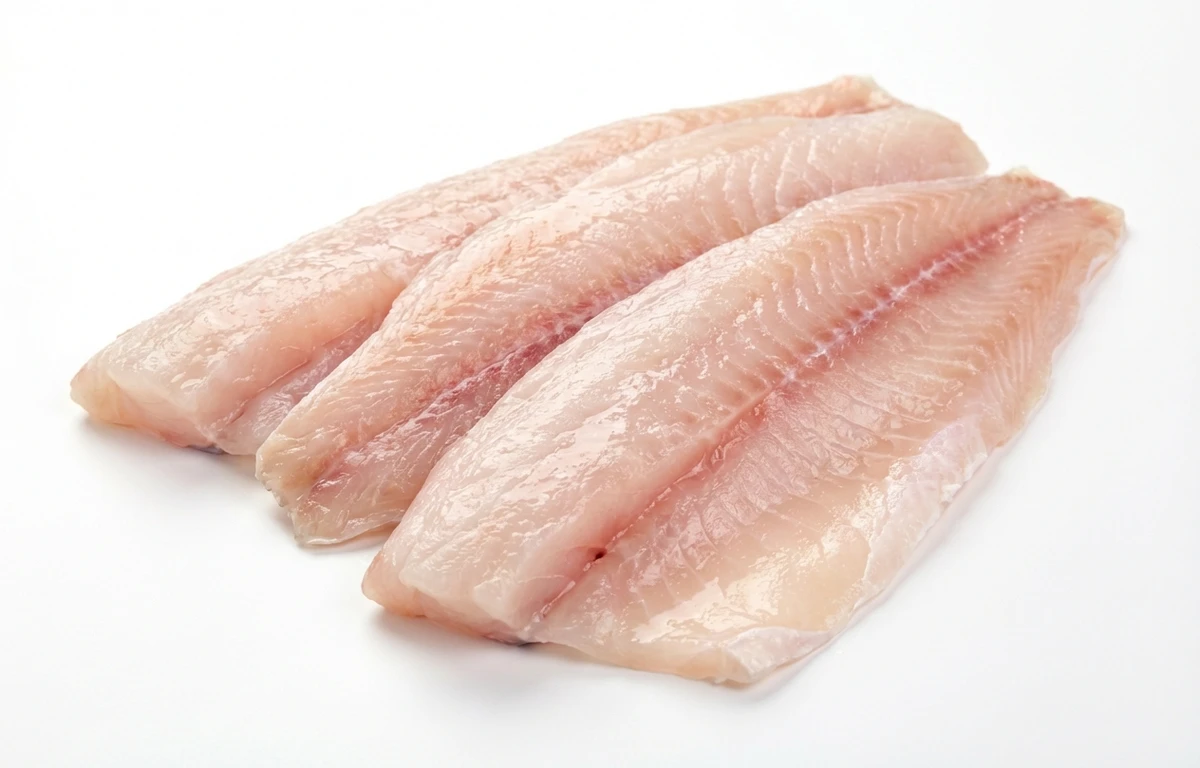
basa fillets.
VegetarianVeganGluten-freeDairy-freeNut-freePeanut-freeSoy-freeEgg-freeShellfish-freeHoney-freeAlcohol-free
SERVING
CALORIES
125
PROTEIN
22.5g
CARBS
0g
FAT
4.5g
FIBER
0g
This ingredient is flagged as naturally gluten-free. Per 100 g, it provides 0.10 µg of vitamin K.
NUTRITION PROFILE · per 100 g
Everything in this ingredient.
MACRONUTRIENTS
Calories125kcal—
Protein22.5g45%
Carbohydrates0g0%
Fiber0g0%
Sugar0g0%
Total fat4.5g6%
Saturated fat1.5g8%
Trans fat0g—
Cholesterol75mg25%
Water71.5g—
MINERALS
Sodium55mg2%
Potassium360mg8%
Calcium18mg1%
Iron0.40mg2%
Magnesium28mg7%
Phosphorus210mg17%
Zinc0.60mg5%
Copper0.05mg6%
Manganese0.02mg1%
Selenium22µg40%
Iodine15µg10%
VITAMINS
Vitamin A10µg1%
Vitamin C0mg0%
Vitamin D2.5µg13%
Vitamin E0.20mg1%
Vitamin K0.10µg0%
Thiamin (B1)0.05mg4%
Riboflavin (B2)0.06mg5%
Niacin (B3)2.5mg16%
Pantothenic acid (B5)0.70mg14%
Vitamin B60.10mg6%
Folate (B9)10µg3%
Vitamin B121.2µg50%
%DV based on a 2,000 cal diet. Source: USDA FoodData Central. A dash in the %DV column means there’s no established Daily Value for that nutrient.
MEASUREMENT CONVERSIONS
How much is what.
1 piece120g
HEALTH BENEFITS
Why eat it.
- ✓Excellent source of high-quality, lean protein, which is essential for muscle repair and growth.
COOKING TIPS
In the kitchen.
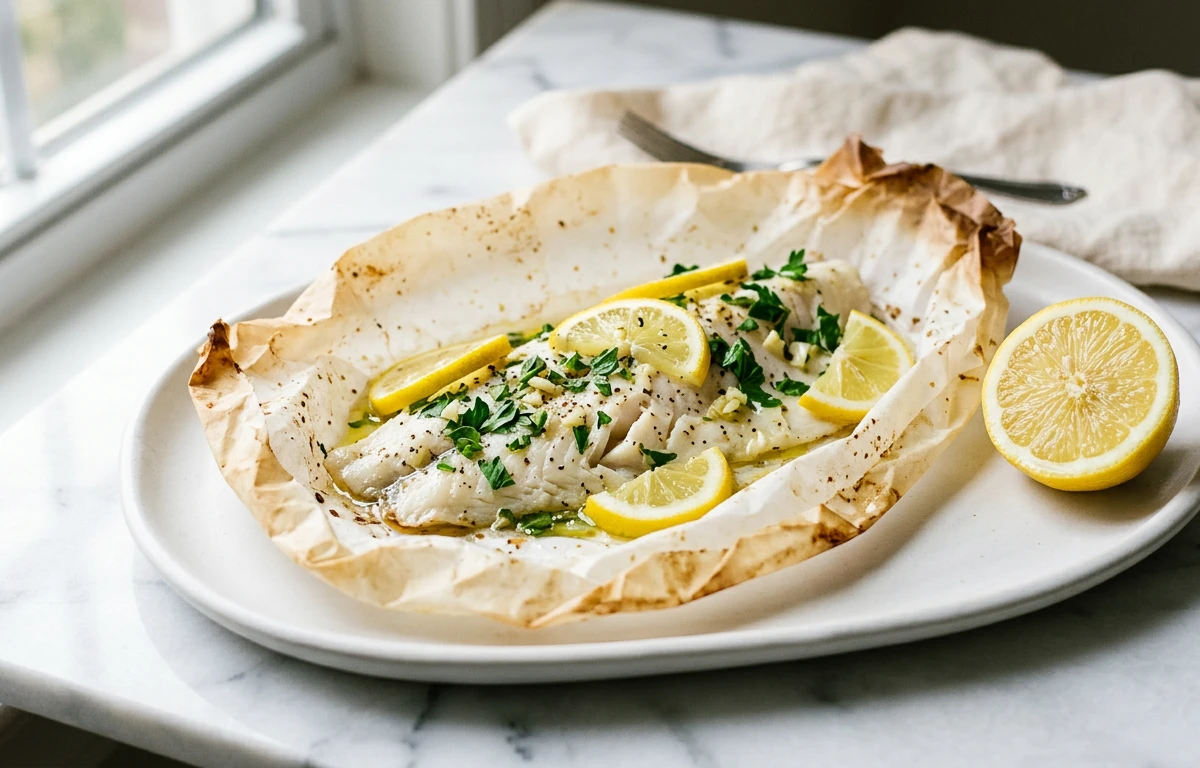
- 1Basa has a very mild flavor and a delicate, flaky texture, making it highly versatile. It readily absorbs the flavors of marinades, herbs, and spices.
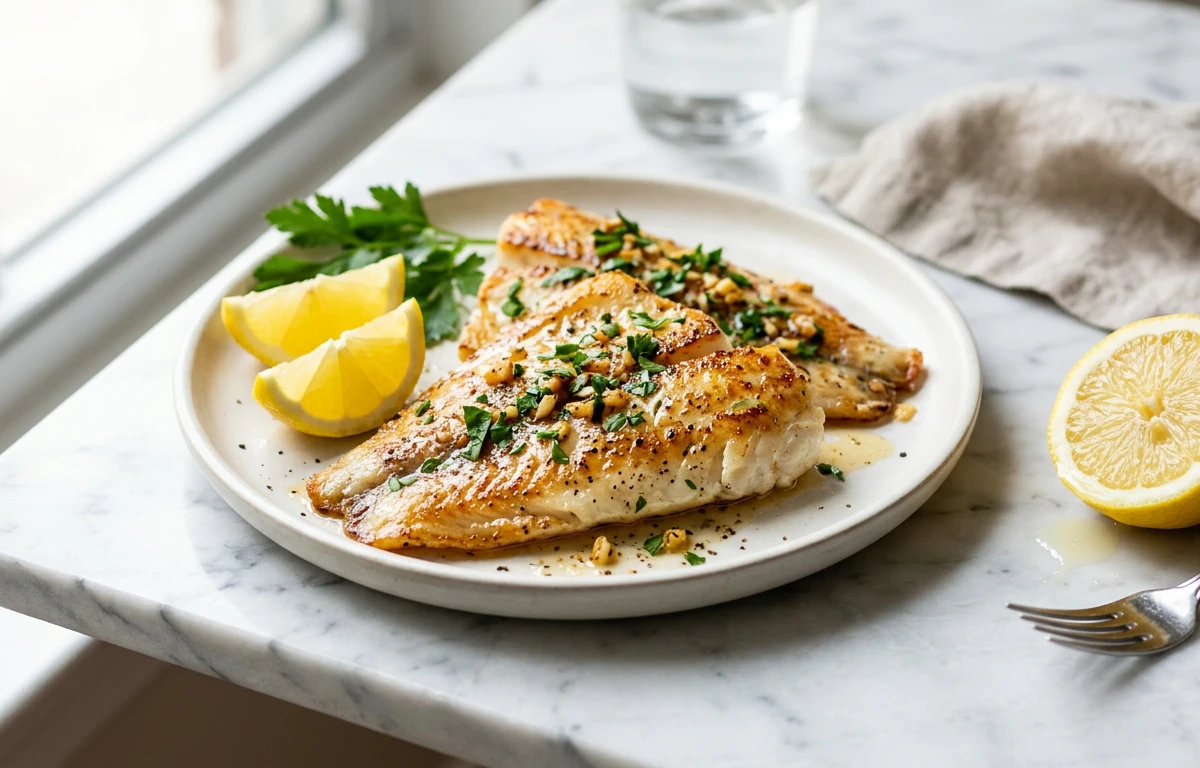
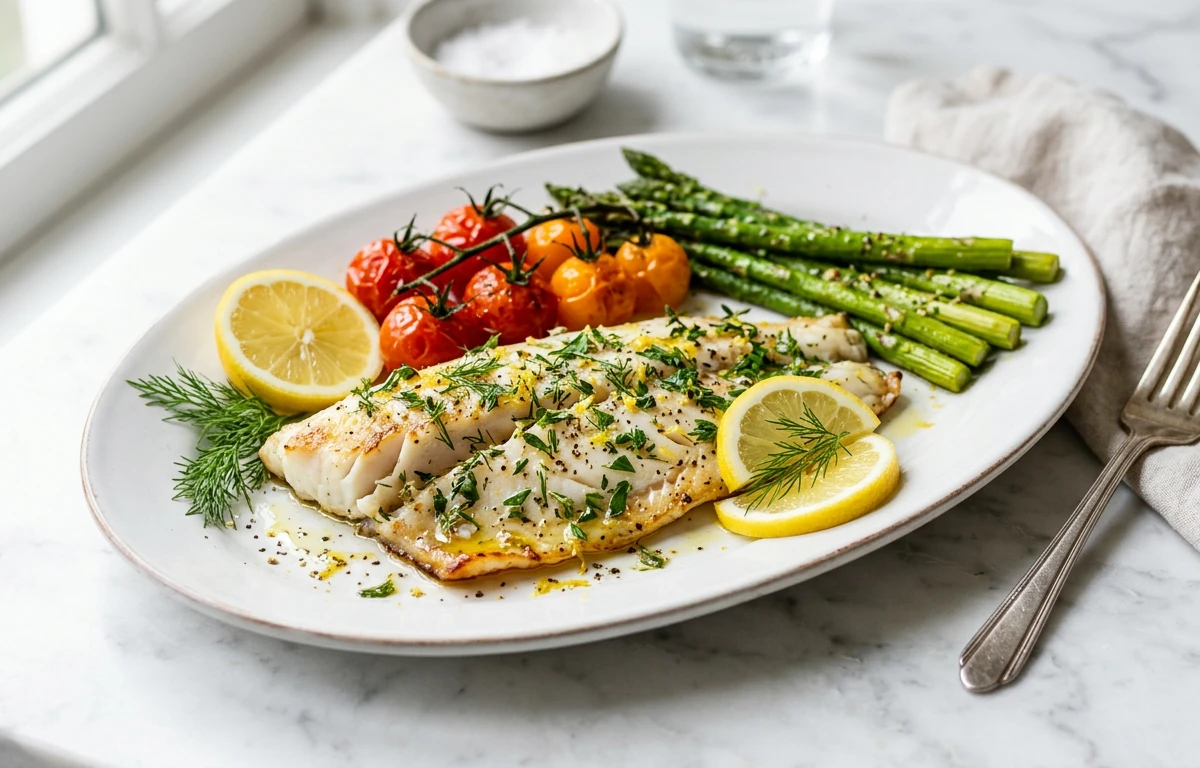
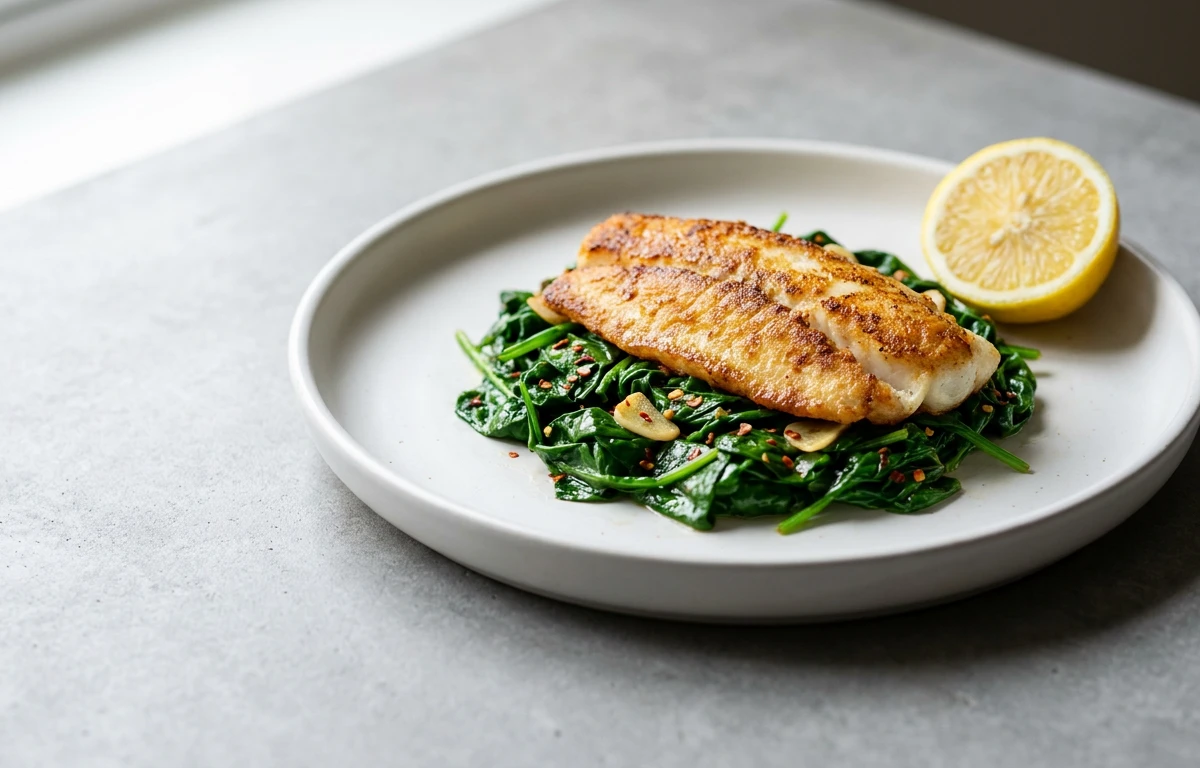
- 2Due to its delicate nature, it cooks quickly. Pan-searing, baking, broiling, or steaming are excellent methods. Avoid overcooking to prevent the fillets from becoming dry and tough.
- 3Handle gently with a wide spatula, especially when flipping, to prevent the fillets from breaking apart.
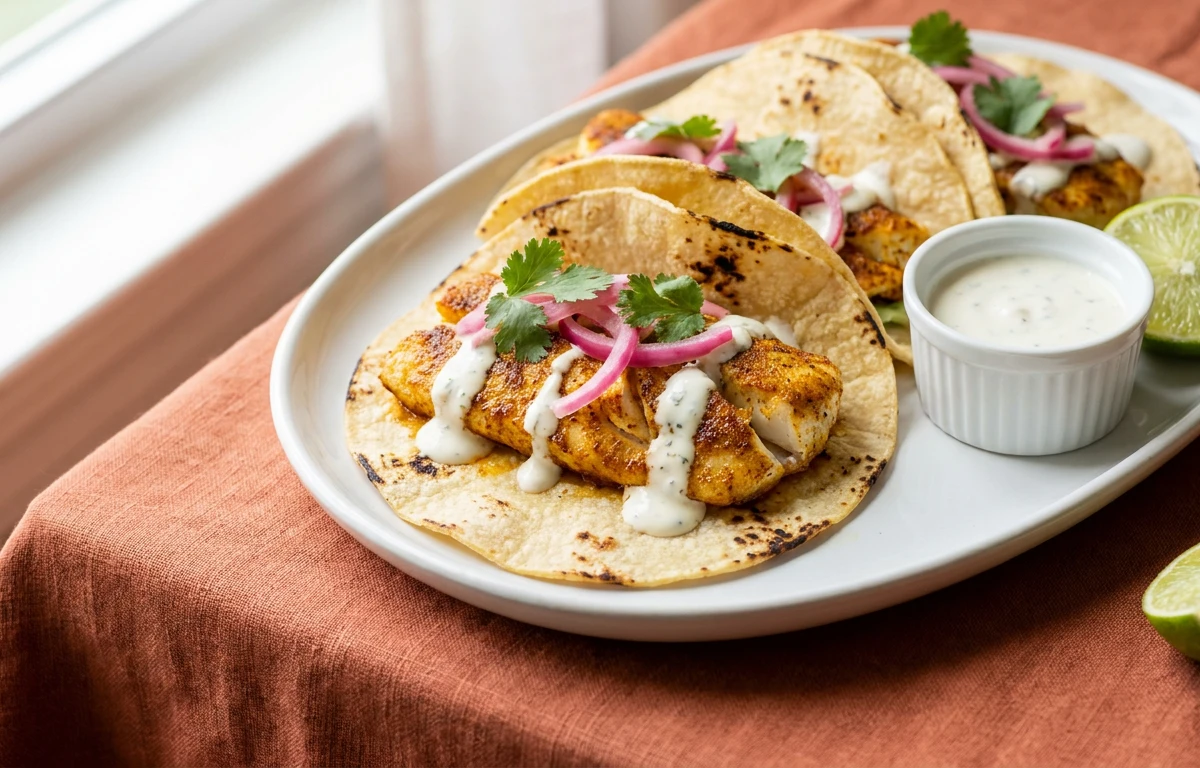
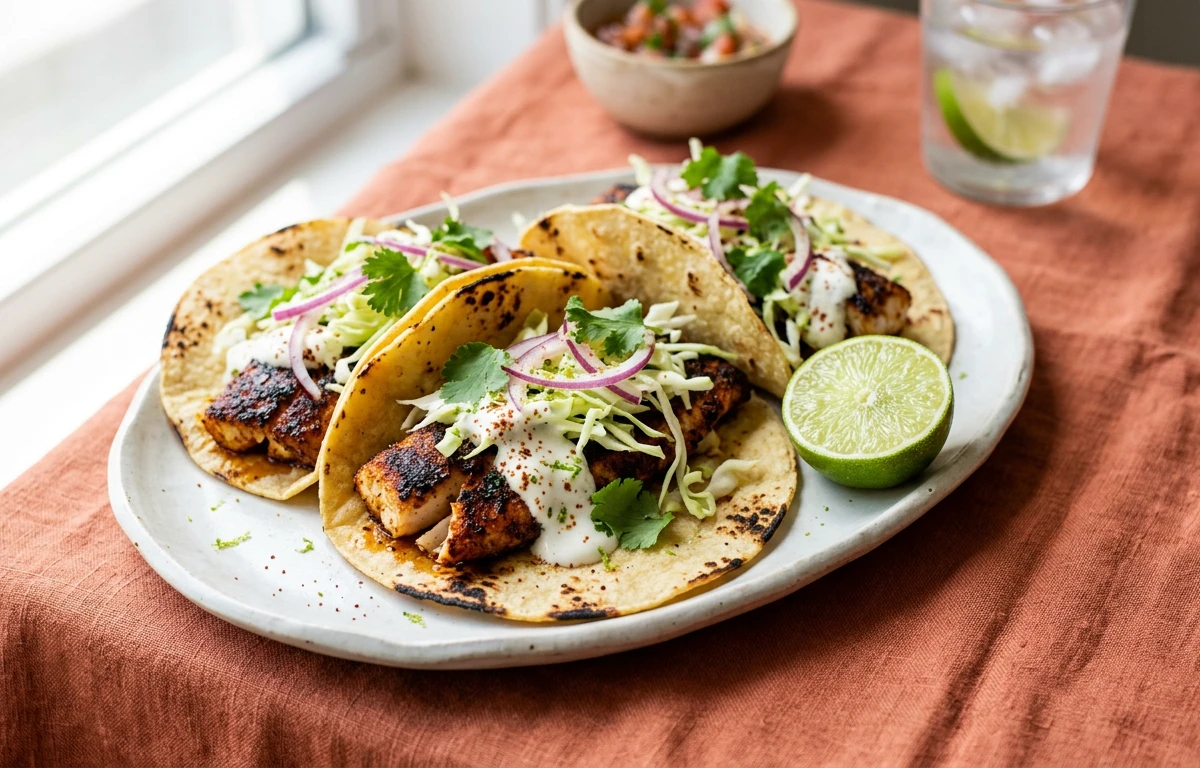
- 4Its mild taste makes it a great substitute for cod or haddock in recipes like fish and chips, fish tacos, or fish curries.
STORAGE
Keep it fresh.
- If fresh, store in the coldest part of your refrigerator (at or below 40°F / 4°C) and consume within 1-2 days.
- For long-term storage, keep frozen at 0°F (-18°C) or below. Properly stored, it can last for 3-6 months without significant loss of quality.
- Thaw frozen fillets safely by placing them in the refrigerator overnight. For a quicker method, seal them in a plastic bag and submerge in cold water, changing the water every 30 minutes.
FAQ
Frequently asked questions.
How much protein is in basa fillets?
Basa is very protein-dense, containing approximately 22.5g of protein per 100g serving. This makes it an ideal food for muscle repair, growth, and maintaining a feeling of fullness.
Is basa fish keto-friendly?
Yes, basa is perfectly keto-friendly as it contains 0g of carbohydrates. It provides a clean source of protein and 4.5g of fat per 100g, fitting well into low-carb and ketogenic lifestyles.
Is basa fish gluten-free?
Natural, unprocessed basa fillets are 100% gluten-free. However, always check the labels on frozen basa that has been pre-breaded or marinated, as those coatings often contain wheat flour.
What does basa taste like?
Basa has a very mild, light, and slightly sweet flavor with a firm yet delicate texture. Because it lacks a strong 'fishy' taste, it is a popular choice for children and those who prefer subtle seafood flavors.
How do you cook basa fillets?
Basa is versatile and can be pan-fried, baked, grilled, or steamed. Because the fillets are usually thin, they cook quickly—typically requiring only 3 to 5 minutes per side until the flesh is opaque and flakes easily with a fork.
Can I substitute basa for other white fish?
Yes, basa is a great budget-friendly substitute for other mild white fish like cod, tilapia, or haddock. Its neutral flavor makes it suitable for a wide variety of recipes, including fish tacos, curries, and stews.
How long do basa fillets last in the freezer?
When kept in its original vacuum-sealed packaging or tightly wrapped in freezer-safe bags, basa can last 6 to 9 months in the freezer. For the best taste and texture, it is recommended to consume it within 3 months.
Is basa fish high in mercury?
No, basa is generally considered a low-mercury fish. Because it is a fast-growing species harvested at a young age, it does not accumulate as much mercury as larger, longer-lived predatory fish like swordfish or tuna.
RECIPES
Cook with basa fillets.
6 recipes · sorted by what’s quick