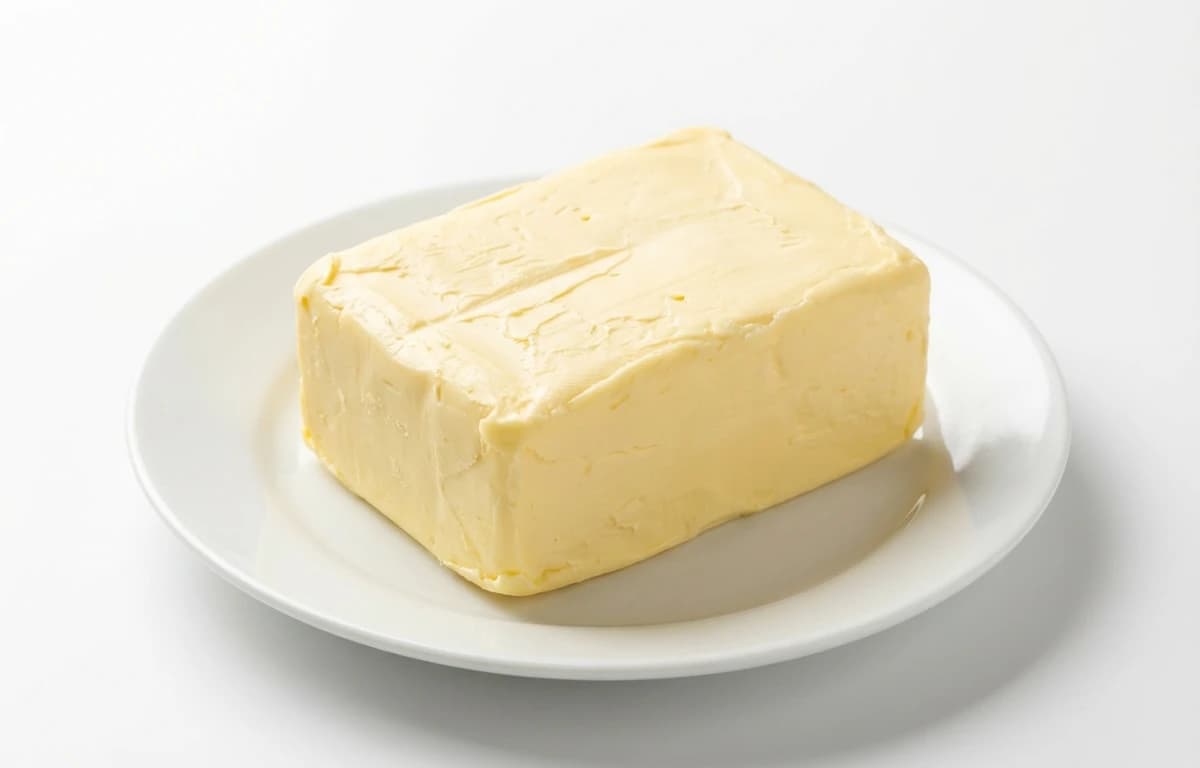
bater
Also known as: makhan, beurre
Loading...
Also known as: makhan, beurre
Per 100g
Nutrition data source: USDA FoodData Central
Butter is a rich source of fat-soluble vitamins like A, D, E, and K2, which support vision and bone health. While it contains beneficial compounds like conjugated linoleic acid (CLA), it is high in saturated fat and calories, so it should be consumed in moderation as part of a balanced diet.
Butter is very calorie-dense, containing approximately 717 calories per 100g. It is composed almost entirely of fat (about 81.11g per 100g), with negligible amounts of protein (0.85g) and carbohydrates (0.06g).
Yes, butter is highly keto-friendly because it is very high in fat and contains almost zero carbohydrates. It is a staple in ketogenic diets for providing quick energy and helping users reach their daily fat macros.
No, butter is not vegan. It is a dairy product made by churning milk or cream, which is animal-derived. Vegans typically use plant-based alternatives like olive oil, coconut oil, or vegan margarine.
Butter is very low in lactose because the milk solids are mostly removed during the churning process. While not strictly lactose-free, many people with mild lactose intolerance can tolerate butter in small amounts without digestive issues.
Yes, butter can aid in the absorption of fat-soluble nutrients from other foods. Adding a small amount of butter to vegetables like carrots or leafy greens helps your body better utilize vitamins A, D, E, and K found in those plants.
Butter is excellent for sautéing, baking, and finishing sauces due to its rich flavor. However, it has a relatively low smoke point (around 350°F/175°C), meaning it can burn easily if used for high-heat searing or deep frying.
bater is a versatile ingredient found in cuisines around the world. With 717 calories per 100g and 0.85 grams of protein, it's a nutritious addition to many dishes.
Explore more ingredients in the dairy category with complete nutrition information.
View all dairy →Yes, you can often substitute butter with oils like olive or coconut oil, usually at a 3:4 ratio (3 parts oil for every 4 parts butter). Note that butter provides a unique creamy flavor and helps with the structure and 'lift' in baked goods that oil may not perfectly replicate.
Butter should be stored in the refrigerator in an airtight container to prevent it from absorbing other food odors; it typically lasts 1-3 months. It can stay fresh at room temperature in a butter crock for about 1-2 weeks if kept in a cool, dark place.
Yes, butter freezes very well. When wrapped tightly in foil or plastic wrap and placed in a freezer bag, it can last for 6-9 months. It is best to thaw it in the refrigerator overnight before using it for cooking or baking.