spice
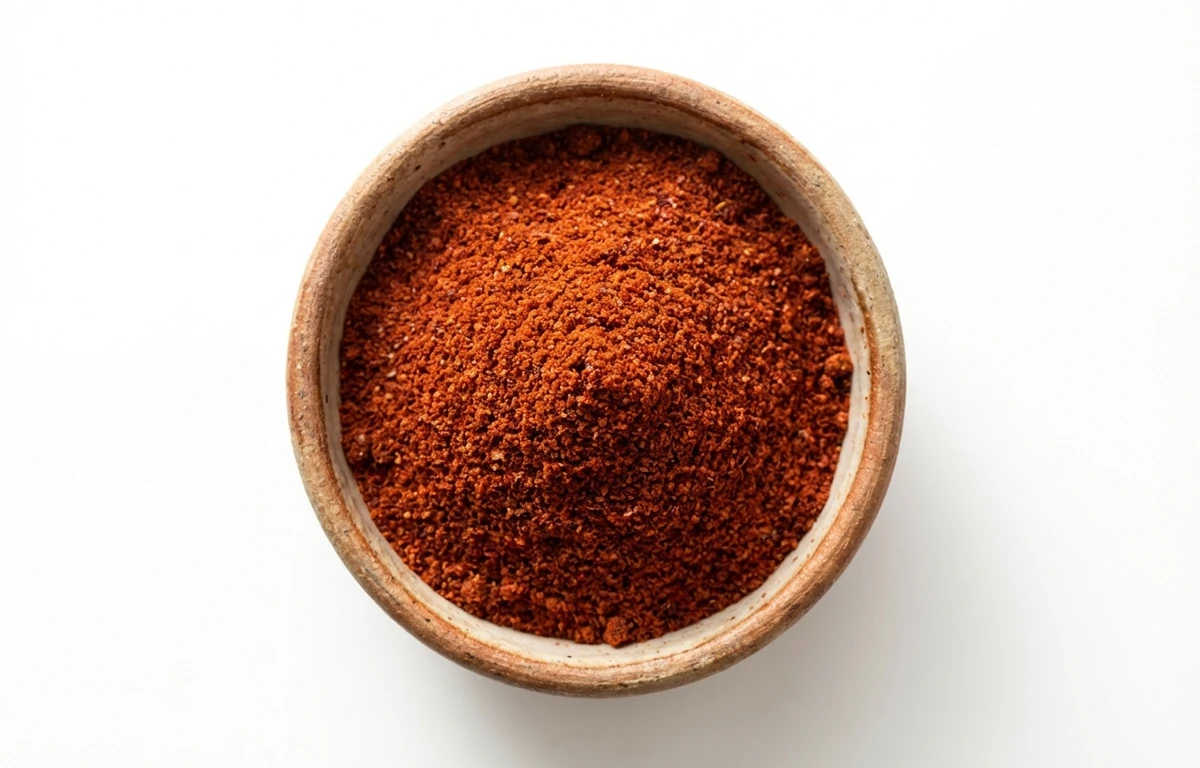
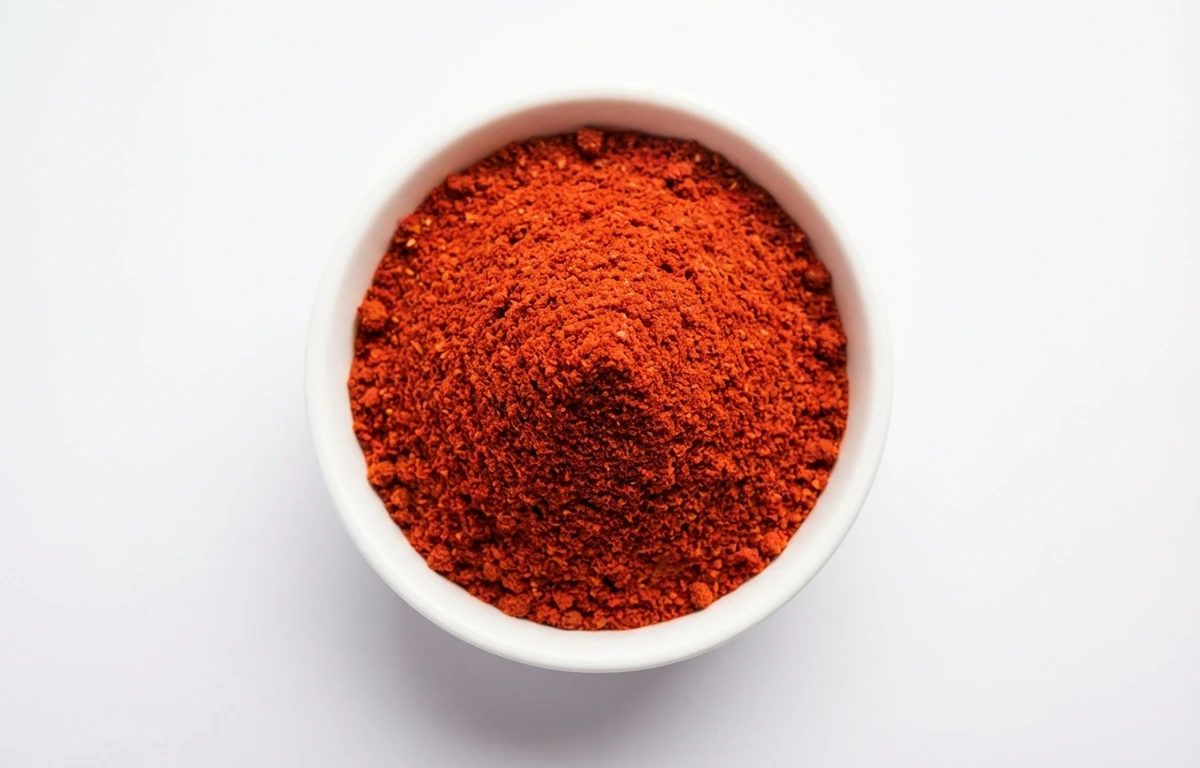
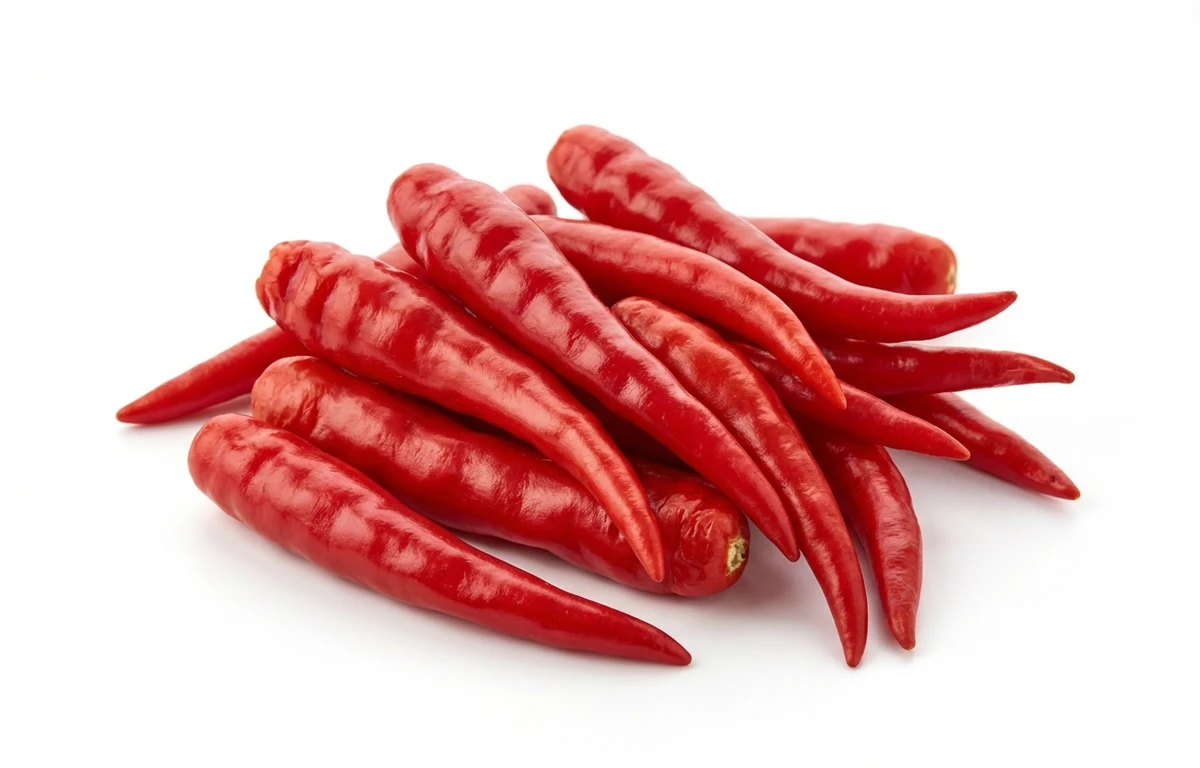
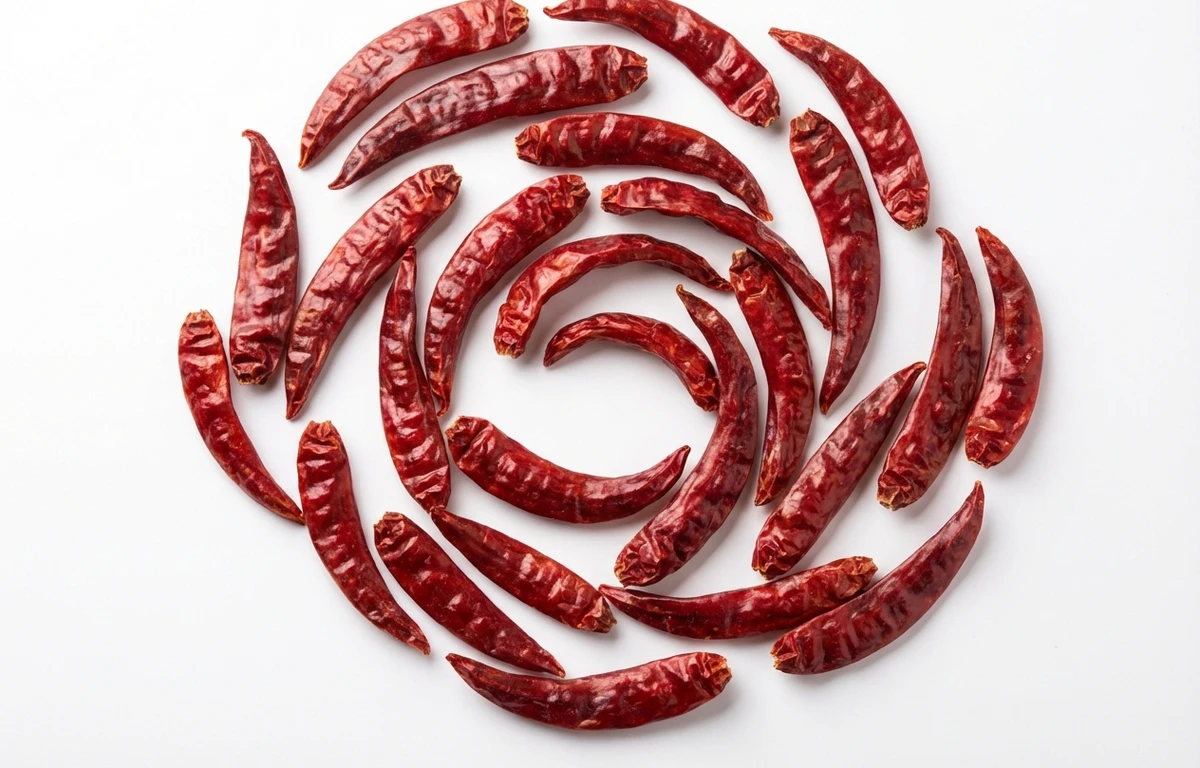
Bedgi Dried Red Chilies.
VegetarianVeganGluten-freeDairy-freeNut-freePeanut-freeSoy-freeEgg-freeShellfish-freeHoney-freeAlcohol-free
SERVING
CALORIES
430
PROTEIN
12g
CARBS
56.6g
FAT
17.3g
FIBER
27.2g
This ingredient is flagged as naturally gluten-free. Per 100 g, it provides 105 µg of vitamin K.
NUTRITION PROFILE · per 100 g
Everything in this ingredient.
MACRONUTRIENTS
Calories430kcal—
Protein12g24%
Carbohydrates56.6g21%
Fiber27.2g97%
Sugar10.3g21%
Total fat17.3g22%
Saturated fat3.3g16%
Cholesterol0mg0%
Water8.0g—
MINERALS
Sodium30mg1%
Potassium1500mg32%
Calcium143mg11%
Iron7.8mg43%
Magnesium140mg33%
Phosphorus293mg23%
Zinc2.5mg23%
Copper0.50mg56%
Manganese1.5mg65%
Selenium10µg18%
VITAMINS
Vitamin A290µg32%
Vitamin C76mg84%
Vitamin E29.8mg199%
Vitamin K105µg88%
Thiamin (B1)0.30mg25%
Riboflavin (B2)0.80mg62%
Niacin (B3)10mg63%
Pantothenic acid (B5)2.5mg50%
Vitamin B62.0mg118%
Folate (B9)106µg27%
%DV based on a 2,000 cal diet. Source: USDA FoodData Central. A dash in the %DV column means there’s no established Daily Value for that nutrient.
MEASUREMENT CONVERSIONS
How much is what.
1 oz28.4g
1 lb453.6g
1 piece1.5g
HEALTH BENEFITS
Why eat it.
- ✓Rich in Vitamin C and A, boosting immunity and vision.
- ✓Contains capsaicin, which may aid metabolism and pain relief.
- ✓May help improve digestion.
- ✓Contributes to heart health by reducing cholesterol levels.
COOKING TIPS
In the kitchen.
- 1Soak in hot water for 20-30 minutes before grinding to soften and enhance flavor.
- 2Remove seeds for a milder heat profile.
- 3Temper in hot oil to release their aroma and flavor before adding to dishes.
STORAGE
Keep it fresh.
- Store in an airtight container in a cool, dark, and dry place.
- Keep away from direct sunlight and moisture to prevent mold.
- Properly stored, they can last for up to a year or more.
FAQ
Frequently asked questions.
What are the nutritional benefits of Bedgi chilies?
Per 100g, these chilies provide 318 calories, 12g of protein, and 56.6g of carbohydrates. They are a significant source of capsaicin, which is known to aid metabolism, improve digestion, and support heart health by reducing cholesterol levels.
How spicy are Bedgi dried red chilies?
Bedgi chilies are considered mild to medium in heat, typically ranging between 15,000 and 30,000 Scoville Heat Units. They are famous for providing a deep, vibrant red color to dishes without making them excessively spicy.
Are Bedgi dried red chilies vegan and gluten-free?
Yes, Bedgi dried red chilies are a natural, single-ingredient plant product. They are 100% vegan and naturally gluten-free, making them suitable for most dietary needs.
Are Bedgi chilies keto-friendly?
Yes, they are keto-friendly. Although they contain 56.6g of carbs per 100g, the actual amount used in a typical serving is very small, contributing negligible net carbs to a meal.
How do I use Bedgi chilies in cooking?
They are commonly used to make chili paste or powder for curries, or tempered in hot oil (tadka) to release their flavor. For a smooth paste, soak them in warm water for 15-20 minutes before grinding.
What can I substitute for Bedgi dried red chilies?
Kashmiri red chilies are the best substitute because they offer a similar deep red color and mild heat profile. If you want more heat, you can use a mix of Kashmiri and standard Guntur chilies.
How long do Bedgi dried red chilies last?
When stored correctly in an airtight container, they can last for 6 to 12 months. While they remain safe to eat after this period, they may gradually lose their vibrant red color and some of their flavor profile.