
Protein
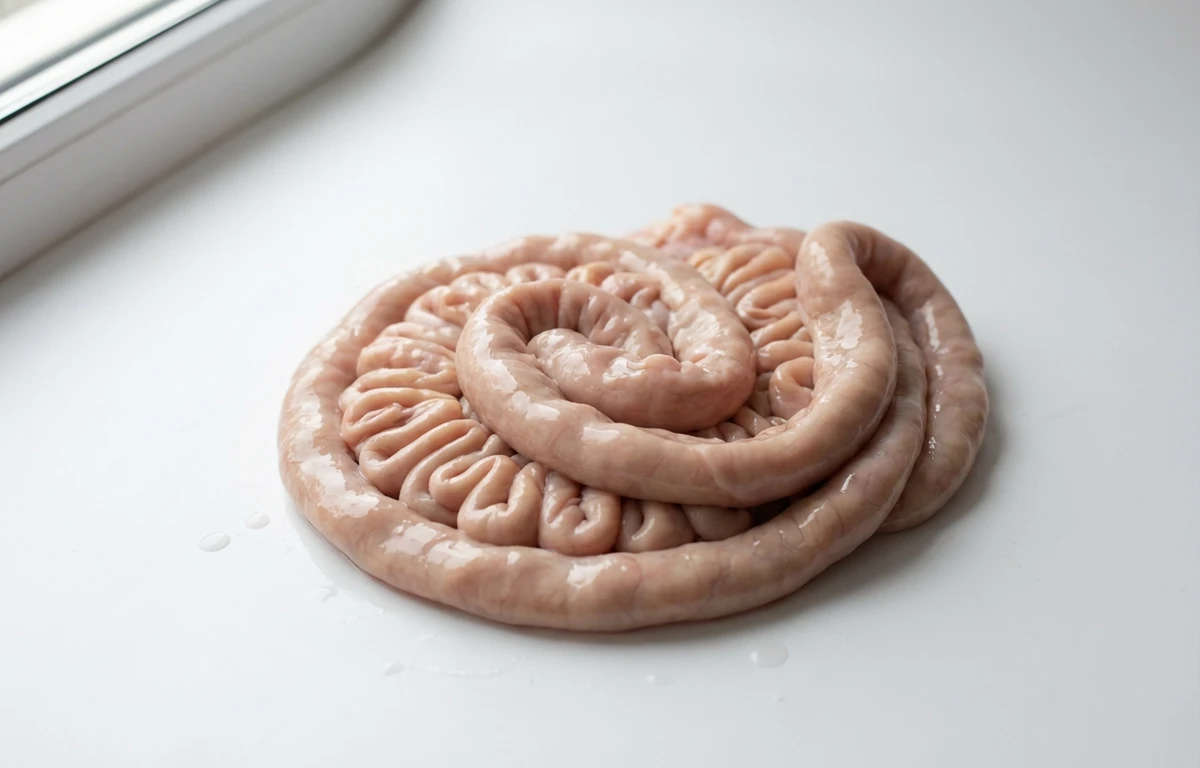
beef small intestines.
VegetarianVeganGluten-freeDairy-freeNut-freePeanut-freeSoy-freeEgg-freeShellfish-freeHoney-freeAlcohol-free
ALSO KNOWN AS
small intestines
SERVING
CALORIES
100
PROTEIN
15.6g
CARBS
0g
FAT
3.9g
FIBER
0g
NUTRITION PROFILE · per 100 g
Everything in this ingredient.
MACRONUTRIENTS
Calories100kcal—
Protein15.6g31%
Carbohydrates0g0%
Fiber0g0%
Sugar0g0%
Total fat3.9g5%
Saturated fat1.4g7%
Cholesterol159mg53%
MINERALS
Sodium100mg4%
Potassium190mg4%
Calcium10mg1%
Iron2.1mg12%
Magnesium16mg4%
Phosphorus147mg12%
Zinc2.3mg21%
Copper0.11mg12%
Manganese0.02mg1%
Selenium10.1µg18%
VITAMINS
Vitamin A0µg0%
Vitamin C0mg0%
Vitamin D0µg0%
Vitamin E0.08mg1%
Vitamin K0.40µg0%
Thiamin (B1)0.07mg6%
Riboflavin (B2)0.29mg22%
Niacin (B3)3.2mg20%
Pantothenic acid (B5)0.80mg16%
Vitamin B60.10mg6%
Folate (B9)10µg3%
Vitamin B121.4µg58%
%DV based on a 2,000 cal diet. Source: USDA FoodData Central. A dash in the %DV column means there’s no established Daily Value for that nutrient.
MEASUREMENT CONVERSIONS
How much is what.
1 cup150g
1 tablespoon15g
1 teaspoon5g
1 oz28.4g
1 lb453.6g
1 ml1g
1 liter1000g
HEALTH BENEFITS
Why eat it.
- ✓Excellent source of collagen and gelatin, which support joint health, skin elasticity, and gut lining integrity.
- ✓Rich in high-quality, complete protein necessary for muscle building, tissue repair, and overall body function.
- ✓Provides a significant amount of Vitamin B12, crucial for nerve function and the formation of red blood cells.
- ✓Good source of minerals like zinc and selenium, which are vital for immune system support and antioxidant activity.
COOKING TIPS
In the kitchen.
- 1Meticulous cleaning is essential. Turn the intestines inside out and rinse thoroughly under cold running water, scraping gently to remove any residue.
- 2Pre-boil or simmer the intestines in seasoned water with aromatics like bay leaves, peppercorns, and garlic for 1-2 hours to tenderize them and remove strong odors before grilling, frying, or stewing.
- 3After boiling, marinate the intestines in a flavorful mixture (e.g., soy sauce, garlic, ginger, or citrus) for several hours to infuse them with flavor.
- 4For a crispy texture, slice the boiled and tenderized intestines into rings and pan-fry or deep-fry until golden brown.
STORAGE
Keep it fresh.
- Store fresh, thoroughly cleaned intestines in the refrigerator at or below 40°F (4°C) in an airtight container and use within 1-2 days.
- For long-term storage, freeze in heavy-duty freezer bags or vacuum-sealed packs for up to 3 months to maintain quality.
FAQ
Frequently asked questions.
Are beef small intestines healthy?
Yes, beef small intestines are a nutrient-dense organ meat. They are an excellent source of collagen for joint and skin health, and provide essential Vitamin B12 and minerals like zinc and selenium for immune support.
How much protein is in beef small intestines?
A 100g serving of beef small intestines contains approximately 15.6g of high-quality, complete protein. This makes them an effective food for muscle building and tissue repair while remaining relatively low in calories.
Are beef small intestines good for weight loss?
Yes, they can be beneficial for weight management as they are low in calories (100 per 100g) and low in fat (3.9g). Their high protein content also helps promote satiety, which can reduce overall calorie intake.
Are beef small intestines keto-friendly?
Absolutely. With 0g of carbohydrates per serving, beef small intestines are an excellent choice for ketogenic and low-carb diets. They provide essential fats and proteins without impacting blood sugar levels.
Are beef small intestines gluten-free?
In their natural state, beef small intestines are 100% gluten-free. However, always check the ingredients in marinades, sauces, or breading used during preparation, as these often contain gluten.
How do you prepare and cook beef small intestines?
They must be thoroughly cleaned and rinsed first. Most recipes involve boiling them until tender (often 1-2 hours) before grilling, deep-frying, or adding them to stews to achieve a desirable crispy or chewy texture.
What do beef small intestines taste like?
They have a mild, slightly nutty flavor and a unique, rubbery or chewy texture. Because they are relatively neutral, they excel at absorbing the flavors of the spices, broths, or marinades they are cooked with.
How should I store beef small intestines?
Raw intestines should be stored in the coldest part of the refrigerator and used within 1-2 days. For longer storage, they can be cleaned and frozen in airtight packaging for up to 3-4 months.
How can I tell if beef small intestines are fresh?
Fresh intestines should have a pale pink or off-white color and a moist appearance without being excessively slimy. They should have a mild, clean scent; any strong, sour, or ammonia-like odor indicates spoilage.
What are the benefits of the collagen found in beef small intestines?
The collagen and gelatin in beef small intestines support skin elasticity, joint health, and the integrity of the gut lining. This makes them a functional food for those looking to improve digestive health and reduce joint discomfort.



















