
Other1 recipes
belgian witbier yeast.
VegetarianVeganGluten-freeDairy-freeNut-freePeanut-freeSoy-freeEgg-freeShellfish-freeHoney-freeAlcohol-free
ALSO KNOWN AS
witbier yeastBelgian white beer yeast
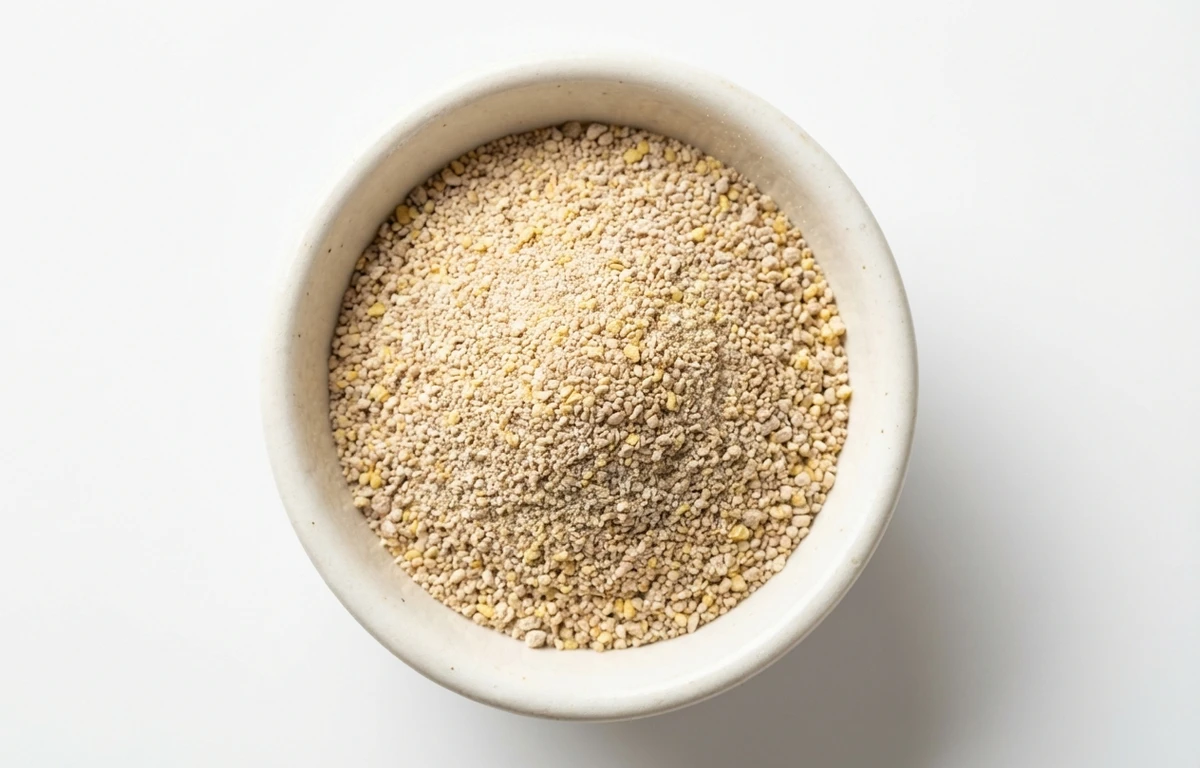
SERVING
CALORIES
361
PROTEIN
38.3g
CARBS
38.3g
FAT
5.4g
FIBER
23.3g
NUTRITION PROFILE · per 100 g
Everything in this ingredient.
MACRONUTRIENTS
Calories361kcal—
Protein38.3g77%
Carbohydrates38.3g14%
Fiber23.3g83%
Sugar0g0%
Total fat5.4g7%
Saturated fat1.1g6%
Cholesterol0mg0%
Water5.4g—
MINERALS
Sodium47mg2%
Potassium1800mg38%
Calcium57mg4%
Iron7.5mg42%
Magnesium40mg10%
Phosphorus330mg26%
Zinc5.0mg45%
Copper0.20mg22%
Selenium42µg76%
VITAMINS
Vitamin A0µg0%
Vitamin C0mg0%
Vitamin D0µg0%
Vitamin K1.0µg1%
Thiamin (B1)3.9mg325%
Riboflavin (B2)1.5mg115%
Niacin (B3)16.6mg104%
Vitamin B616.6mg976%
Folate (B9)1050µg263%
%DV based on a 2,000 cal diet. Source: USDA FoodData Central. A dash in the %DV column means there’s no established Daily Value for that nutrient.
MEASUREMENT CONVERSIONS
How much is what.
1 piece5g
HEALTH BENEFITS
Why eat it.
- ✓Rich source of B-complex vitamins (e.g., B1, B2, B3, B6) which are crucial for energy metabolism.
- ✓Provides essential minerals such as chromium, which can help in maintaining normal blood sugar levels.
- ✓Contains selenium, a powerful antioxidant that supports immune function and protects cells from oxidative stress.
- ✓A source of beta-glucans, which have been shown to support immune health and may help lower cholesterol.
COOKING TIPS
In the kitchen.
- 1To accentuate the characteristic spicy (clove) and fruity (banana, apple) esters, ferment at the higher end of the recommended temperature range, typically 68-78°F (20-25°C).
- 2Belgian Witbier yeast is low-flocculating, contributing to the beer's traditional hazy appearance. Avoid using clarifying agents if you want to maintain the cloudiness.
- 3For liquid yeast, creating a yeast starter 24-48 hours before brewing ensures a healthy cell count, leading to a more vigorous and clean fermentation.
- 4Properly aerate or oxygenate the wort before pitching the yeast to promote healthy cell growth and prevent off-flavors.
STORAGE
Keep it fresh.
- Store liquid yeast vials or packs in the refrigerator (34-40°F or 1-4°C) and use before the expiration date for optimal viability.
- Keep dry yeast packets in a cool, dark, and dry place. For long-term storage (over 6 months), refrigeration or freezing is recommended.
FAQ
Frequently asked questions.
Is Belgian witbier yeast healthy?
Yes, Belgian witbier yeast is highly nutritious, offering a significant amount of protein and B-complex vitamins. It contains essential minerals like selenium and chromium, which support immune function and help maintain healthy blood sugar levels.
What are the primary health benefits of Belgian witbier yeast?
It is a rich source of B-complex vitamins (B1, B2, B3, B6) essential for energy metabolism. Additionally, it contains beta-glucans, which are known to support immune health and may help in lowering cholesterol levels.
How much protein is in Belgian witbier yeast?
Belgian witbier yeast is very protein-dense, containing approximately 38.3 grams of protein per 100 grams. This makes it an excellent source of amino acids, though it is typically consumed in smaller quantities than whole foods.
Is Belgian witbier yeast vegan and gluten-free?
The yeast itself is vegan as it is a single-celled fungus. While yeast is naturally gluten-free, liquid cultures are sometimes grown on barley-based media; users with celiac disease should check for a gluten-free certification on the specific brand.
Is Belgian witbier yeast keto-friendly?
Yes, it can be considered keto-friendly because it is used in small amounts. While it contains 38.3g of carbs per 100g, the actual serving size in recipes or the amount remaining after fermentation is negligible for most low-carb diets.
What does Belgian witbier yeast taste like?
This yeast strain is famous for its 'phenolic' and 'estery' profile, which translates to spicy notes of clove and fruity notes of plum or citrus. It provides the characteristic tart and refreshing finish found in traditional Belgian wheat beers.
Can I use Belgian witbier yeast for baking bread?
Technically yes, as it is a strain of Saccharomyces cerevisiae. However, it is optimized for brewing rather than baking, so the dough may rise more slowly and the finished bread will have a distinct spicy, fruity aroma unlike standard sandwich bread.
How should I store Belgian witbier yeast?
Liquid yeast must be kept refrigerated between 34°F and 40°F (1-4°C) to maintain viability. Dry yeast is more stable and can be stored in a cool, dry pantry, though refrigeration will further extend its shelf life.
How long does Belgian witbier yeast last?
Liquid yeast is best used within 3 to 6 months of the manufacture date, as the cell count drops over time. Dry yeast is much more durable and can remain viable for 1 to 2 years if the seal remains intact.
How do I know if the yeast is still good to use?
For brewing, you can perform a 'starter' by mixing the yeast with a small amount of warm sugar water; if it begins to foam and bubble within a few hours, it is active. If there is no activity or a foul, putrid smell, the yeast should be discarded.
RECIPES
Cook with belgian witbier yeast.
1 recipes · sorted by what’s quick



















