Spice10 recipes
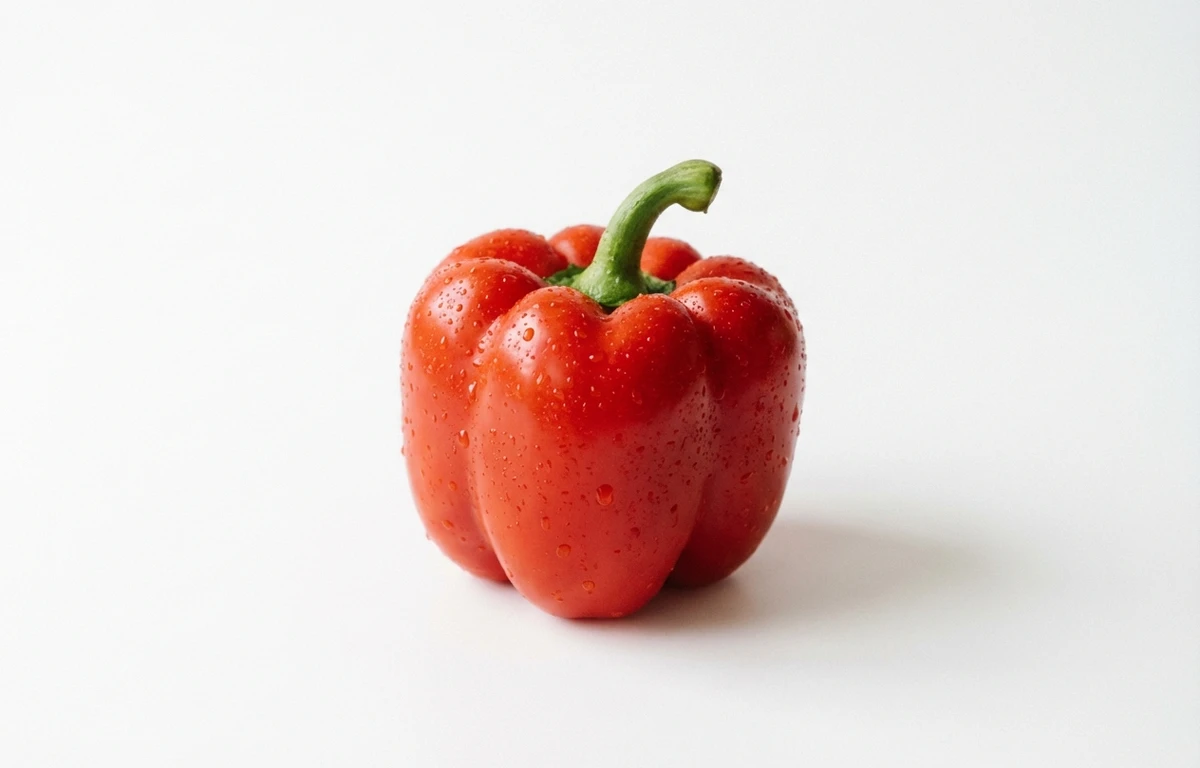
bell pepper.
VegetarianVeganGluten-freeDairy-freeNut-freePeanut-freeSoy-freeEgg-freeShellfish-freeHoney-freeAlcohol-freeHalalKosher
ALSO KNOWN AS
capsicumsweet peppershimla mirch
SERVING
CALORIES
26
PROTEIN
1.0g
CARBS
6.0g
FAT
0.20g
FIBER
2.1g
NUTRITION PROFILE · per 100 g
Everything in this ingredient.
MACRONUTRIENTS
Calories26kcal—
Protein1.0g2%
Carbohydrates6.0g2%
Fiber2.1g8%
Sugar4.2g8%
Total fat0.20g0%
Saturated fat0.06g0%
Trans fat0g—
Cholesterol0mg0%
Water92.2g—
MINERALS
Sodium3.0mg0%
Potassium211mg4%
Calcium10mg1%
Iron0.40mg2%
Magnesium12mg3%
Phosphorus26mg2%
Zinc0.17mg2%
Copper0.07mg8%
Manganese0.12mg5%
Selenium0.10µg0%
VITAMINS
Vitamin A157µg17%
Vitamin C127mg141%
Vitamin D0µg0%
Vitamin E1.6mg11%
Vitamin K4.9µg4%
Thiamin (B1)0.05mg4%
Riboflavin (B2)0.08mg6%
Niacin (B3)0.98mg6%
Pantothenic acid (B5)0.32mg6%
Vitamin B60.29mg17%
Folate (B9)46µg12%
Vitamin B120µg0%
%DV based on a 2,000 cal diet. Source: USDA FoodData Central. A dash in the %DV column means there’s no established Daily Value for that nutrient.
MEASUREMENT CONVERSIONS
How much is what.
1 cup149g
1 tablespoon10g
1 teaspoon4g
1 oz28.4g
1 lb453.6g
1 piece119g
HEALTH BENEFITS
Why eat it.
- ✓Exceptionally high in Vitamin C for immune support
- ✓Contains carotenoids like lutein for eye health
- ✓Rich in antioxidants that reduce oxidative stress
- ✓Low in calories and high in water content for hydration
- ✓Good source of Vitamin B6 and folate for metabolism
COOKING TIPS
In the kitchen.
- 1Remove the white inner ribs and seeds to reduce bitterness
- 2Roast whole until skin chars to easily peel and create a smoky flavor
- 3Add at the end of stir-frying to maintain a crisp texture and vibrant color
STORAGE
Keep it fresh.
- Store unwashed in the refrigerator crisper drawer for up to 2 weeks
- Keep peppers dry as moisture leads to rapid spoilage
- Store in a reusable mesh or perforated plastic bag to allow airflow
FAQ
Frequently asked questions.
How long do bell peppers last in the fridge?
Whole bell peppers typically last 1 to 2 weeks in the refrigerator crisper drawer. Once sliced, they should be used within 3 to 5 days.
Can you freeze bell peppers?
Yes, you can freeze chopped bell peppers without blanching. They will lose their crispness, so they are best used in cooked dishes like soups or stir-fries later.
What is the difference between green, red, and yellow bell peppers?
Green peppers are harvested earlier and are less sweet. Red, orange, and yellow peppers are fully ripe, sweeter, and contain higher levels of Vitamin C and A.
How do I choose the best bell pepper?
Look for peppers that are firm to the touch, have smooth, shiny skin without wrinkles, and feel heavy for their size.
What can I use as a substitute for bell pepper?
For crunch, use celery or carrots. For flavor, use mild chilies like Poblano or Anaheim peppers, or use pimientos for a similar sweet profile.
Are bell peppers spicy?
No, bell peppers lack capsaicin, the compound that gives chilies their heat, making them sweet rather than spicy.
How should I prepare bell peppers for stuffing?
Cut off the top, scoop out the seeds and membranes, and optionally parboil them for 2-3 minutes to soften them before filling and baking.
Are bell peppers part of the nightshade family?
Yes, bell peppers belong to the Solanaceae (nightshade) family, along with tomatoes, potatoes, and eggplants.
RECIPES
Cook with bell pepper.
10 recipes · sorted by what’s quick