sweetener
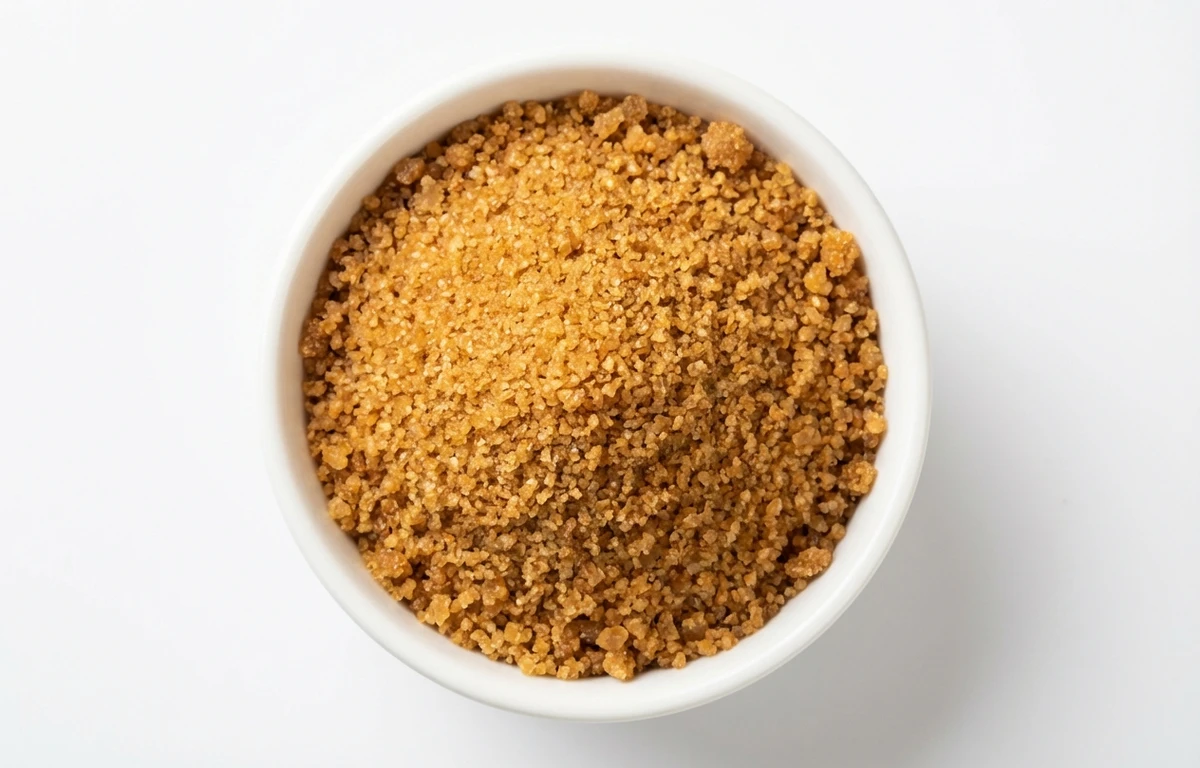
bellam.
VegetarianVeganGluten-freeDairy-freeNut-freePeanut-freeSoy-freeEgg-freeShellfish-freeHoney-freeAlcohol-free
SERVING
CALORIES
383
PROTEIN
0.40g
CARBS
98g
FAT
0.10g
FIBER
0g
This ingredient is flagged as naturally gluten-free. Per 100 g, it provides 0 µg of vitamin K.
NUTRITION PROFILE · per 100 g
Everything in this ingredient.
MACRONUTRIENTS
Calories383kcal—
Protein0.40g1%
Carbohydrates98g36%
Fiber0g0%
Sugar97g194%
Total fat0.10g0%
Saturated fat0g0%
Trans fat0g—
Cholesterol0mg0%
Water0.80g—
MINERALS
Sodium28mg1%
Potassium450mg10%
Calcium80mg6%
Iron2.7mg15%
Magnesium75mg18%
Phosphorus35mg3%
Zinc0.30mg3%
Copper0.20mg22%
Manganese0.30mg13%
Selenium1.5µg3%
VITAMINS
Vitamin A0µg0%
Vitamin C0mg0%
Vitamin D0µg0%
Vitamin E0mg0%
Vitamin K0µg0%
Thiamin (B1)0.01mg1%
Riboflavin (B2)0.06mg5%
Niacin (B3)0.11mg1%
Pantothenic acid (B5)0.10mg2%
Vitamin B60.03mg2%
Folate (B9)15µg4%
Vitamin B120µg0%
%DV based on a 2,000 cal diet. Source: USDA FoodData Central. A dash in the %DV column means there’s no established Daily Value for that nutrient.
MEASUREMENT CONVERSIONS
How much is what.
1 cup190g
1 tablespoon12g
1 teaspoon4g
HEALTH BENEFITS
Why eat it.
- ✓Acts as a digestive aid by stimulating digestive enzymes and helping to cleanse the bowels.
COOKING TIPS
In the kitchen.
- 1Can be used as a 1:1 substitute for brown sugar in many recipes, adding a rich, caramel-like flavor.
- 2Grate or chop the jaggery block before adding to recipes for easier and more even melting.
- 3When melting, use low heat and stir constantly to prevent it from burning, as it has a lower scorch point than white sugar.
- 4Dissolve in a small amount of warm water to create a syrup for use in drinks, desserts, and sauces.
STORAGE
Keep it fresh.
- Store in a cool, dry, and dark place in an airtight container to prevent it from absorbing moisture and becoming sticky.
- During humid weather, it can be refrigerated to prolong its shelf life and maintain its hard texture.
FAQ
Frequently asked questions.
Is bellam vegan and gluten-free?
Yes, bellam is naturally vegan and gluten-free. It is a plant-based sweetener made from sugarcane juice or palm sap and does not involve the animal-derived processing agents sometimes used in refined white sugar.
How many calories and carbs are in bellam?
Bellam is calorie-dense, containing approximately 383 calories and 98 grams of carbohydrates per 100g. It contains negligible amounts of protein (0.4g) and fat (0.1g).
What does bellam taste like?
Bellam has a rich, complex flavor that is much deeper than white sugar. It tastes like a blend of caramel and molasses with earthy, sometimes slightly smoky or salty undertones depending on its source.
How do you use bellam in cooking?
Bellam can be grated, crumbled, or melted into a syrup for use in sweets, tea, and traditional desserts. It is frequently used in South Asian cuisine to balance spicy or sour flavors in savory dishes like sambar or dals.
Can I substitute bellam for white sugar in baking?
Yes, you can generally substitute bellam for sugar in a 1:1 ratio. However, because bellam is more acidic and contains more moisture, it may result in a denser texture and a darker color in baked goods like cookies or cakes.
How should I store bellam to keep it fresh?
Store bellam in an airtight container in a cool, dry place. Exposure to moisture can make it sticky or cause it to ferment, while proper storage can keep it shelf-stable for up to a year.
Does bellam really help with digestion?
Yes, bellam is traditionally eaten after meals because it stimulates the secretion of digestive enzymes. This helps in the proper digestion of food and can act as a mild cleanser for the digestive tract.
RECIPES
Cook with bellam.
0 recipes · sorted by what’s quick
SAME CATEGORY