
Loading...
Per 100g
Nutrition data source: USDA FoodData Central
Common measurement equivalents in grams
Yes, Bengal gram dal is highly nutritious, providing approximately 21.55g of protein and significant dietary fiber per 100g. It supports muscle maintenance, bone health, and energy metabolism due to its rich mineral profile, including iron and phosphorus.
Yes, its high protein and fiber content promotes a feeling of fullness and satiety, which can help reduce overall calorie intake. It is a nutrient-dense food that provides sustained energy, making it an excellent addition to a weight management diet.
Absolutely. Bengal gram dal has a low glycemic index, which helps regulate blood sugar levels by ensuring a slow and steady release of glucose into the bloodstream. This makes it a beneficial carbohydrate source for individuals managing diabetes.
Yes, Bengal gram dal is naturally gluten-free. It is a safe and healthy protein source for those with celiac disease or non-celiac gluten sensitivity.
Yes, Bengal gram dal is a 100% plant-based legume. It is a staple in vegan and vegetarian diets, serving as a primary source of plant protein and essential vitamins like folate.
It is best to soak the dal for 30-60 minutes before cooking to improve digestibility and reduce cooking time. After soaking, boil it in a pot or pressure cooker until tender, then use it in soups, stews, or traditional Indian dal preparations.
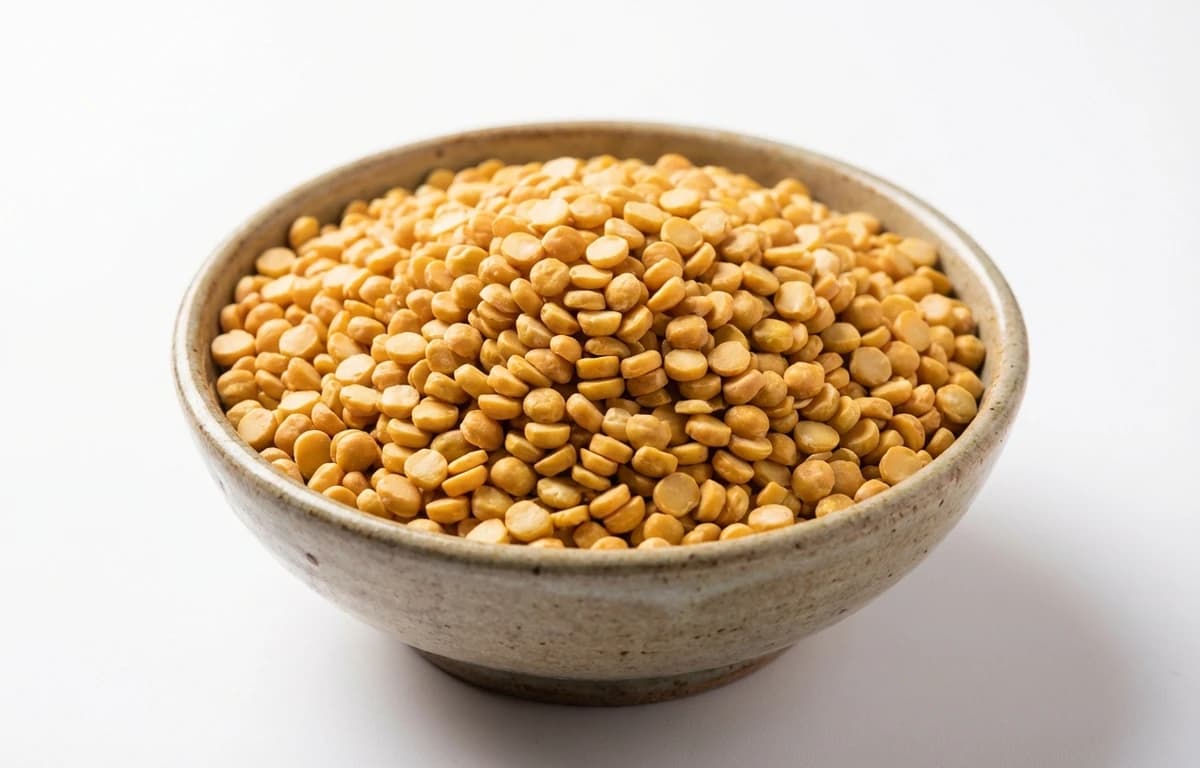
Bengal gram dal has a distinctively nutty flavor with a slightly sweet undertone. Unlike many other lentils, it tends to retain its shape and firm texture even after being cooked, rather than turning into a mushy puree.
bengal gram dal is a versatile ingredient found in cuisines around the world. With 329.11 calories per 100g and 21.55 grams of protein, it's a nutritious addition to many dishes.
Explore more ingredients in the legume category with complete nutrition information.
View all legume →Discover 0 recipes featuring bengal gram dal with step-by-step instructions.
Browse recipes →While not strictly mandatory, soaking for at least 30 minutes is highly recommended. Soaking helps neutralize anti-nutrients, improves mineral absorption, and ensures the dal cooks evenly and more quickly.
Store dry Bengal gram dal in an airtight container in a cool, dry, and dark place to prevent moisture and pests. When stored correctly, it can remain fresh for up to 12 months, though older dal may require longer cooking times.
Yes, it is an excellent source of folate (Vitamin B9), which is crucial for red blood cell formation and preventing neural tube defects. Its high iron content also helps support the increased blood volume requirements during pregnancy.