vegetable
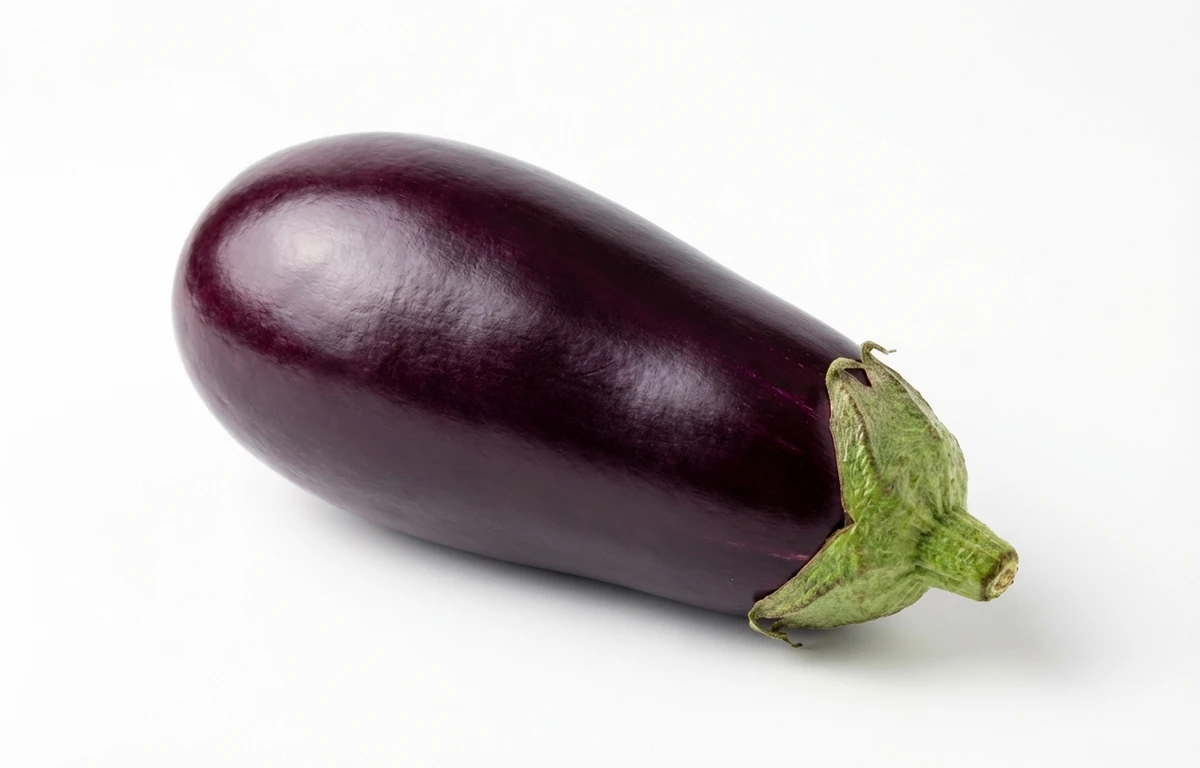
bengena.
VegetarianVeganGluten-freeDairy-freeNut-freePeanut-freeSoy-freeEgg-freeShellfish-freeHoney-freeAlcohol-freeHalalKosher
SERVING
CALORIES
25
PROTEIN
0.98g
CARBS
5.9g
FAT
0.18g
FIBER
3.0g
This ingredient is flagged as naturally gluten-free. Per 100 g, it provides 3.5 µg of vitamin K.
NUTRITION PROFILE · per 100 g
Everything in this ingredient.
MACRONUTRIENTS
Calories25kcal—
Protein0.98g2%
Carbohydrates5.9g2%
Fiber3.0g11%
Sugar3.5g7%
Total fat0.18g0%
Saturated fat0.03g0%
Trans fat0g—
Cholesterol0mg0%
Water92.3g—
MINERALS
Sodium2.0mg0%
Potassium229mg5%
Calcium9.0mg1%
Iron0.23mg1%
Magnesium14mg3%
Phosphorus24mg2%
Zinc0.16mg1%
Copper0.08mg9%
Manganese0.23mg10%
Selenium0.30µg1%
VITAMINS
Vitamin A1.0µg0%
Vitamin C2.2mg2%
Vitamin D0µg0%
Vitamin E0.30mg2%
Vitamin K3.5µg3%
Thiamin (B1)0.04mg3%
Riboflavin (B2)0.04mg3%
Niacin (B3)0.65mg4%
Pantothenic acid (B5)0.28mg6%
Vitamin B60.08mg5%
Folate (B9)22µg6%
Vitamin B120µg0%
%DV based on a 2,000 cal diet. Source: USDA FoodData Central. A dash in the %DV column means there’s no established Daily Value for that nutrient.
MEASUREMENT CONVERSIONS
How much is what.
1 cup90g
COOKING TIPS
In the kitchen.
- 1Salt sliced or cubed eggplant and let it rest for 30-60 minutes to draw out moisture and bitterness, resulting in a creamier texture and reduced oil absorption during cooking.
- 2Roasting or grilling at high heat brings out a smoky, sweet flavor and tenderizes the flesh.
- 3The spongy texture is excellent for absorbing flavors, making it ideal for curries, stews, and marinades.
- 4To prevent discoloration after cutting, submerge pieces in a bowl of water with a splash of lemon juice.
STORAGE
Keep it fresh.
- Store whole, unwashed eggplant in the crisper drawer of the refrigerator for up to one week.
- Avoid storing near ethylene-producing fruits like bananas and apples, as it can hasten spoilage.
- Once cut, wrap tightly or place in an airtight container and use within two days to prevent browning and drying out.
FAQ
Frequently asked questions.
Is bengena keto-friendly?
Yes, bengena is keto-friendly. With approximately 5.88g of carbohydrates per 100g and a significant portion of that being dietary fiber, the net carb count is low enough to fit into most low-carb and ketogenic diets.
Is bengena vegan and gluten-free?
Bengena is a natural vegetable and is 100% vegan and gluten-free. Its meaty texture when cooked makes it a popular plant-based substitute for meat in various vegetarian and vegan recipes.
How do you cook bengena?
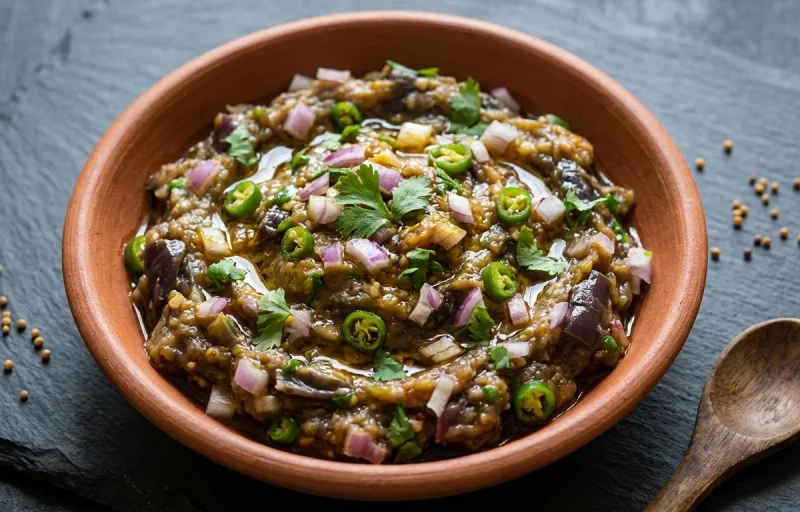
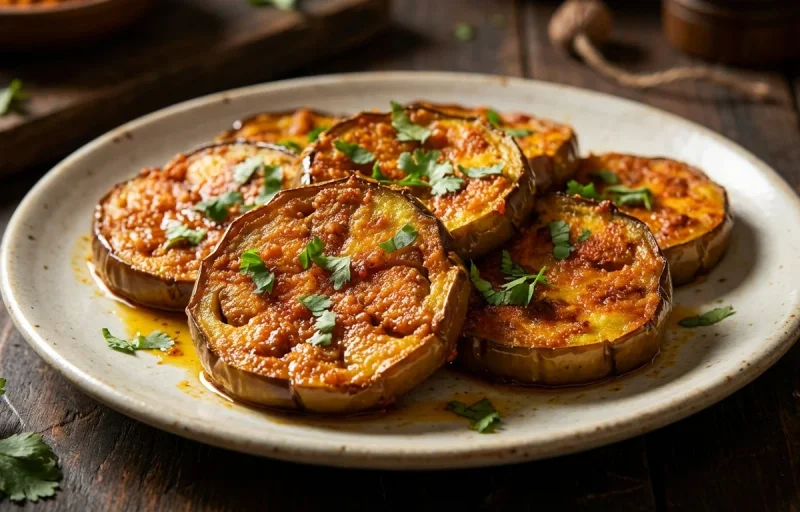
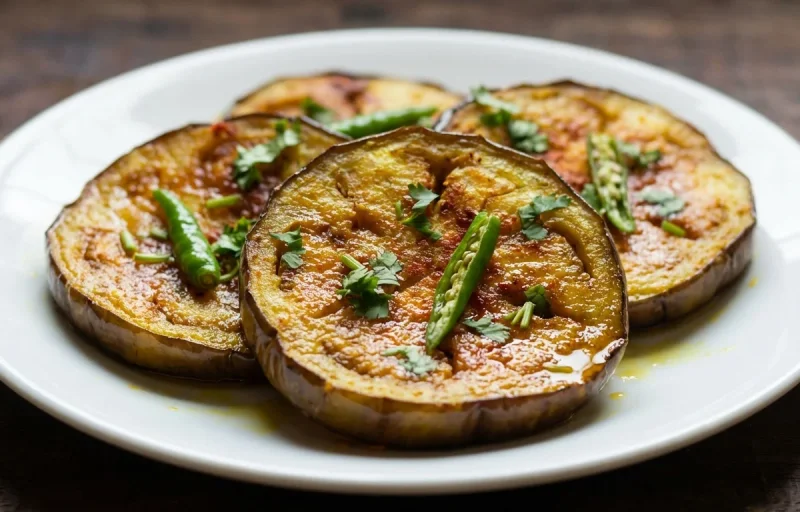
Bengena can be roasted, grilled, sautéed, or fried. Common preparations include 'Bengena Pitika' (mashed roasted eggplant) or slicing it into rounds and pan-frying with spices. It acts like a sponge, easily absorbing the flavors of the oils and spices it is cooked with.
Why is bengena sometimes bitter and how can I fix it?
Bitterness is common in older eggplants with many seeds. To remove it, slice the bengena, sprinkle the pieces with salt, and let them sit for 20 minutes to 'sweat' out the bitter juices before rinsing and cooking.
How do you store bengena and how long does it last?
Store bengena in the refrigerator's crisper drawer in a breathable bag; it typically lasts for 5 to 7 days. Avoid storing it near ethylene-producing fruits like bananas or tomatoes, as this will cause it to spoil faster.
Can I eat bengena raw?
While not toxic, bengena is rarely eaten raw because it has a bitter taste and a firm, spongy texture that is unpleasant to most. Cooking breaks down the fibers and develops a rich, savory flavor and creamy consistency.
RECIPES
Cook with bengena.
0 recipes · sorted by what’s quick