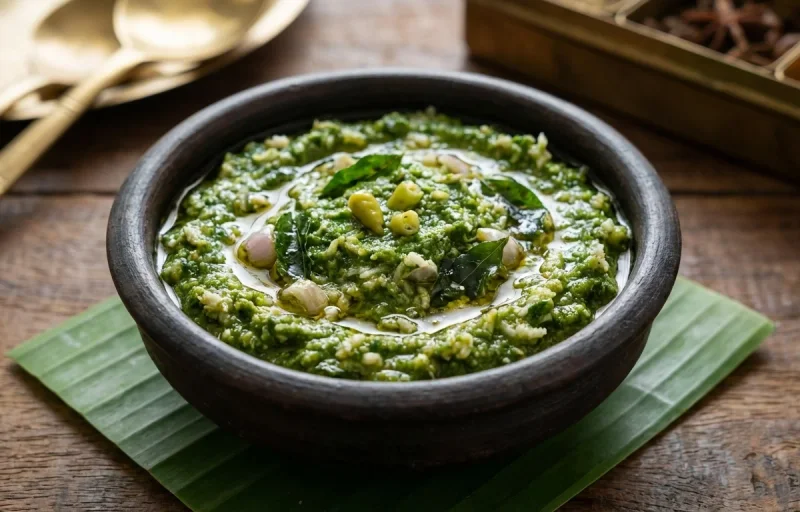
Spice1 recipes
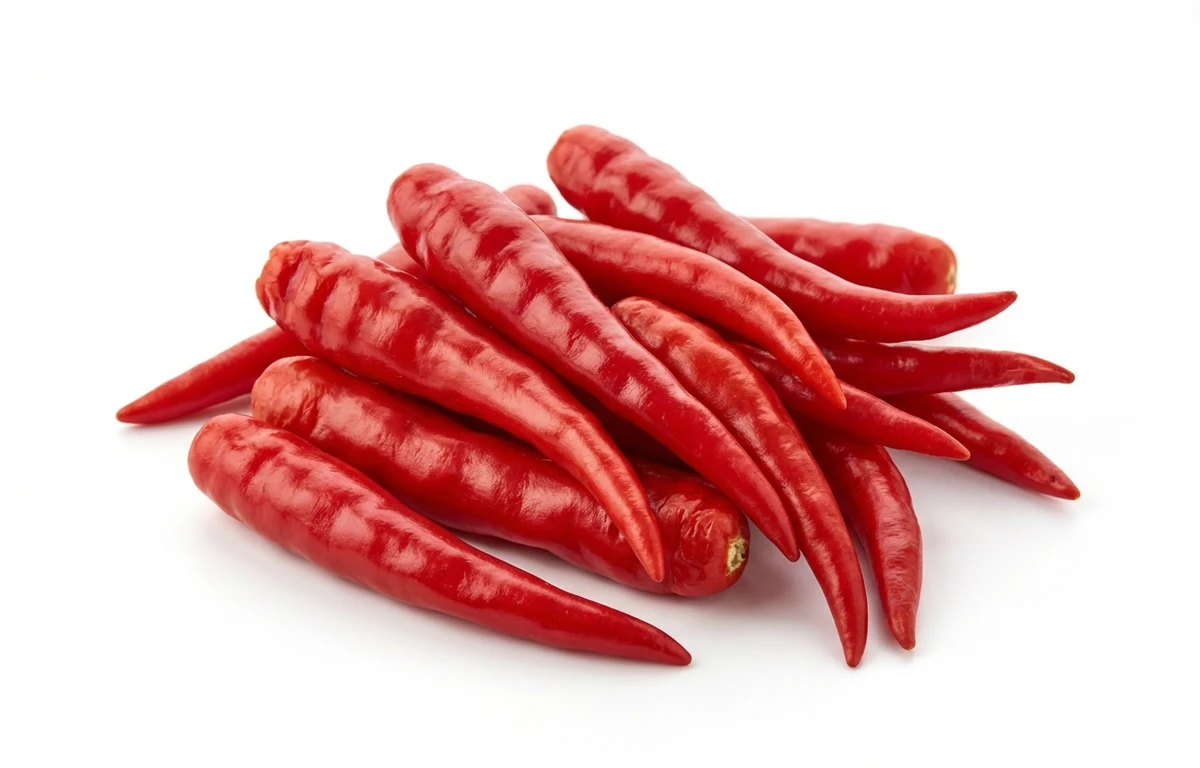
bird's eye chili.
VegetarianVeganGluten-freeDairy-freeNut-freePeanut-freeSoy-freeEgg-freeShellfish-freeHoney-freeAlcohol-free
ALSO KNOWN AS
kanthari mulakuchilli paditeekhi mirchthai chilibird chilikanthari chilli
SERVING
CALORIES
40
PROTEIN
1.9g
CARBS
8.8g
FAT
0.40g
FIBER
1.5g
NUTRITION PROFILE · per 100 g
Everything in this ingredient.
MACRONUTRIENTS
Calories40kcal—
Protein1.9g4%
Carbohydrates8.8g3%
Fiber1.5g5%
Sugar5.1g10%
Total fat0.40g1%
Saturated fat0.10g1%
Cholesterol0mg0%
Water88g—
MINERALS
Sodium7.0mg0%
Potassium322mg7%
Calcium14mg1%
Iron1.0mg6%
Magnesium146mg35%
Phosphorus293mg23%
Zinc2.4mg22%
Copper0.37mg41%
Manganese1.9mg83%
Selenium6.3µg11%
VITAMINS
Vitamin A214µg24%
Vitamin C243mg269%
Vitamin D0µg0%
Vitamin E3.2mg21%
Vitamin K14.3µg12%
Thiamin (B1)0.33mg28%
Riboflavin (B2)0.33mg25%
Niacin (B3)6.8mg43%
Pantothenic acid (B5)2.3mg46%
Vitamin B60.60mg35%
Folate (B9)106µg27%
Vitamin B120µg0%
%DV based on a 2,000 cal diet. Source: USDA FoodData Central. A dash in the %DV column means there’s no established Daily Value for that nutrient.
MEASUREMENT CONVERSIONS
How much is what.
1 cup120g
1 tablespoon7.5g
1 teaspoon2.5g
1 ml0.6g
1 liter500g
1 piece1.5g
HEALTH BENEFITS
Why eat it.
- ✓Rich in capsaicin, which may boost metabolism and provide pain relief.
- ✓Excellent source of Vitamin C, an antioxidant that supports immune function.
- ✓Contains Vitamin A, which is crucial for vision health and immune response.
- ✓Possesses anti-inflammatory properties due to its high antioxidant content.
COOKING TIPS
In the kitchen.
- 1Wear gloves when chopping to prevent the capsaicin oil from irritating your skin and eyes.
- 2To reduce the heat level, remove the seeds and the white membrane (pith) before cooking.
- 3Sauté whole or chopped chilies in oil at the beginning of cooking to infuse the entire dish with their heat and fruity flavor.
- 4Use sparingly as they are very potent, typically rating between 50,000 and 100,000 on the Scoville scale.
STORAGE
Keep it fresh.
- Store fresh bird's eye chilies in a paper bag in the refrigerator's crisper drawer for up to two weeks.
- For long-term storage, freeze whole or chopped chilies in an airtight container for up to six months.
- Dried chilies should be kept in an airtight container in a cool, dark place, where they will retain potency for over a year.
FAQ
Frequently asked questions.
Is bird's eye chili healthy?
Yes, bird's eye chilis are very healthy as they are rich in Vitamins C and A, which support immune function and vision. They also contain capsaicin, a compound known for its anti-inflammatory properties and potential to provide pain relief.
How many calories and carbs are in bird's eye chili?
Per 100g, bird's eye chilis contain approximately 40 calories and 8.8g of carbohydrates. Because they are typically consumed in very small quantities, their contribution to your daily caloric and carb intake is minimal.
Can bird's eye chili help with weight loss?
Bird's eye chilis contain capsaicin, which may help boost metabolism and increase the rate at which the body burns fat. Additionally, the intense heat can help increase satiety, potentially leading to reduced calorie intake during meals.
Is bird's eye chili keto-friendly?
Yes, bird's eye chili is keto-friendly. It is low in calories and fat, and while it contains some carbohydrates, the amount consumed in a typical serving is negligible and will not disrupt ketosis.
Is bird's eye chili vegan and gluten-free?
Yes, bird's eye chili is a natural vegetable and is inherently both vegan and gluten-free. It is an excellent way to add flavor and heat to restricted diets without adding processed additives.
How spicy is a bird's eye chili?
Bird's eye chilis are quite hot, measuring between 50,000 and 100,000 Scoville Heat Units (SHU). They are significantly spicier than jalapeños but generally milder than habanero peppers.
How do you cook with bird's eye chili?
They are commonly used in Southeast Asian dishes like stir-fries, curries, and soups. You can chop them finely to distribute heat throughout a dish, or add them whole to infuse a milder spice that can be removed before serving.
Can I eat bird's eye chili raw?
Yes, bird's eye chilis can be eaten raw and are often used in fresh salsas, salads, or dipping sauces. However, be prepared for intense heat, as the raw pepper delivers a sharper punch than when it is cooked.
How do you store bird's eye chili and how long does it last?
Fresh chilis should be stored in a paper bag in the refrigerator, where they will last for about 2 weeks. For long-term storage, you can freeze them whole or dry them, which preserves their heat for several months.
How can I reduce the heat of bird's eye chili in a dish?
To reduce the heat before cooking, remove the seeds and the white inner membranes where most of the capsaicin is concentrated. If a dish is already too spicy, adding dairy, acid (like lime juice), or a small amount of sugar can help neutralize the burn.
RECIPES
Cook with bird's eye chili.
1 recipes · sorted by what’s quick