
Grain
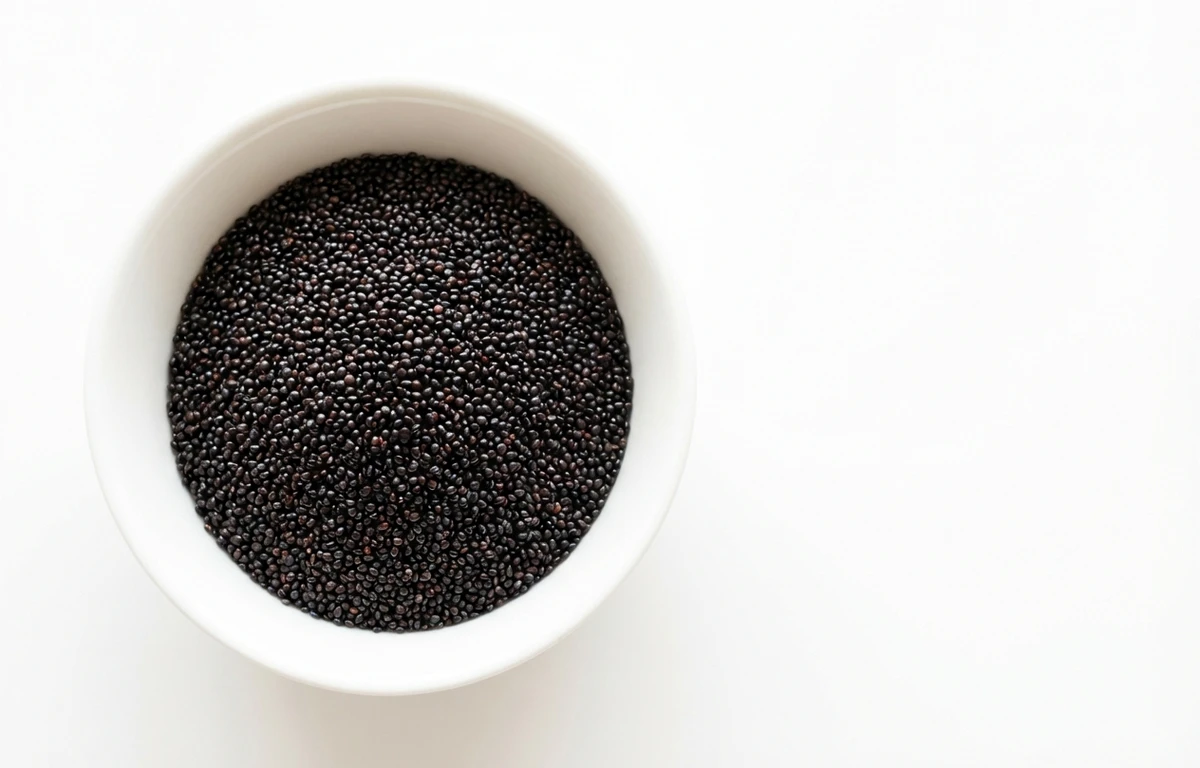
black amaranth seed.
VegetarianVeganGluten-freeDairy-freeNut-freePeanut-freeSoy-freeEgg-freeShellfish-freeHoney-freeAlcohol-freeWhole grain
SERVING
CALORIES
356
PROTEIN
14.6g
CARBS
60g
FAT
5.7g
FIBER
7.0g
NUTRITION PROFILE · per 100 g
Everything in this ingredient.
MACRONUTRIENTS
Calories356kcal—
Protein14.6g29%
Carbohydrates60g22%
Fiber7.0g25%
Sugar0.88g2%
Total fat5.7g7%
Saturated fat1.3g6%
Trans fat0g—
Cholesterol0mg0%
Water9.9g—
MINERALS
Sodium2.7mg0%
Potassium433mg9%
Calcium181mg14%
Iron9.3mg52%
Magnesium325mg77%
Phosphorus374mg30%
Zinc2.7mg24%
Copper0.81mg90%
Manganese5.3mg230%
Selenium16.5µg30%
VITAMINS
Vitamin A0µg0%
Vitamin C0mg0%
Vitamin D58.7µg293%
Vitamin E0.17mg1%
Vitamin K1.8µg2%
Thiamin (B1)0.04mg3%
Riboflavin (B2)0.04mg3%
Niacin (B3)0.45mg3%
Pantothenic acid (B5)0.24mg5%
Vitamin B60.50mg29%
Biotin (B7)1.9µg6%
Folate (B9)27.4µg7%
%DV based on a 2,000 cal diet. Source: USDA FoodData Central. A dash in the %DV column means there’s no established Daily Value for that nutrient.
MEASUREMENT CONVERSIONS
How much is what.
1 cup192g
1 tablespoon12g
1 teaspoon4g
1 oz28.4g
1 lb453.6g
1 ml0.8g
1 liter811.5g
HEALTH BENEFITS
Why eat it.
- ✓Provides complete protein, containing all nine essential amino acids, which is rare for plant-based foods and supports muscle health.
- ✓Naturally gluten-free, making it an excellent grain alternative for individuals with celiac disease or gluten intolerance.
- ✓Rich in dietary fiber, which aids digestion, promotes feelings of fullness, and helps stabilize blood sugar levels.
- ✓High in essential minerals such as manganese, magnesium, phosphorus, and iron, which are vital for bone health, energy metabolism, and oxygen transport.
COOKING TIPS
In the kitchen.
- 1To cook as a porridge or side dish, use a ratio of 1 part amaranth to 2.5-3 parts water or broth. Bring to a boil, then reduce heat, cover, and simmer for 20-25 minutes until tender and the liquid is absorbed.
- 2The cooked texture is gelatinous and creamy, making it an excellent thickener for soups, stews, and sauces.
- 3Create 'popped' amaranth by heating a dry skillet over medium-high heat. Add a tablespoon of seeds at a time, shaking the pan constantly until they pop, which takes only a few seconds. Use as a crunchy topping for salads, yogurt, or desserts.
STORAGE
Keep it fresh.
- Store uncooked black amaranth seeds in an airtight container in a cool, dark, and dry place like a pantry for up to one year.
- For extended freshness, especially in warm climates, store the airtight container in the refrigerator or freezer to protect its natural oils from becoming rancid.
FAQ
Frequently asked questions.
Is black amaranth seed healthy?
Yes, black amaranth is highly nutritious as it is a complete protein source containing all nine essential amino acids. It is also rich in fiber and essential minerals like iron, magnesium, and manganese, which support bone health and energy metabolism.
How much protein is in black amaranth?
Black amaranth contains approximately 14.59g of protein per 100g. This is significantly higher than most traditional grains and is particularly valuable for plant-based diets because it includes the amino acid lysine.
Is black amaranth gluten-free?
Yes, black amaranth is naturally gluten-free. This makes it an excellent nutrient-dense grain alternative for individuals with celiac disease or gluten intolerance.
Is black amaranth keto-friendly?
No, black amaranth is not considered keto-friendly. With approximately 59.98g of carbohydrates per 100g, it is too high in starch for a standard ketogenic diet, though it is a healthy complex carbohydrate for other diets.
How do you cook black amaranth seeds?
To boil, use a ratio of 3 cups of water to 1 cup of seeds, simmering for 15-20 minutes until the water is absorbed. You can also 'pop' the dry seeds in a hot, unoiled skillet for a crunchy topping similar to tiny popcorn.
What does black amaranth taste like?
Black amaranth has a distinct earthy, nutty flavor that is slightly more robust than lighter amaranth varieties. Its texture is unique, remaining slightly crunchy when popped or becoming porridge-like when boiled.
Is black amaranth good for weight loss?
Yes, it can be beneficial for weight management due to its high fiber and protein content. These nutrients promote satiety and help stabilize blood sugar levels, which can prevent overeating and reduce cravings.
How should I store black amaranth?
Store black amaranth in an airtight container in a cool, dry, and dark place like a pantry for up to a year. Because it contains natural fats (5.74g per 100g), you can store it in the refrigerator or freezer to extend its freshness and prevent rancidity.
Can I eat black amaranth raw?
While not harmful, raw amaranth seeds are very hard and difficult to digest. Cooking, soaking, or popping the seeds improves their texture and helps neutralize antinutrients like phytic acid, making the minerals more bioavailable.
What is the difference between black amaranth and regular amaranth?
Nutritionally they are very similar, but black amaranth often has a slightly crunchier texture and a deeper, more intense earthy flavor. The dark pigment in the seed coat may also offer additional antioxidant benefits compared to the golden or white varieties.



















