
Fruit
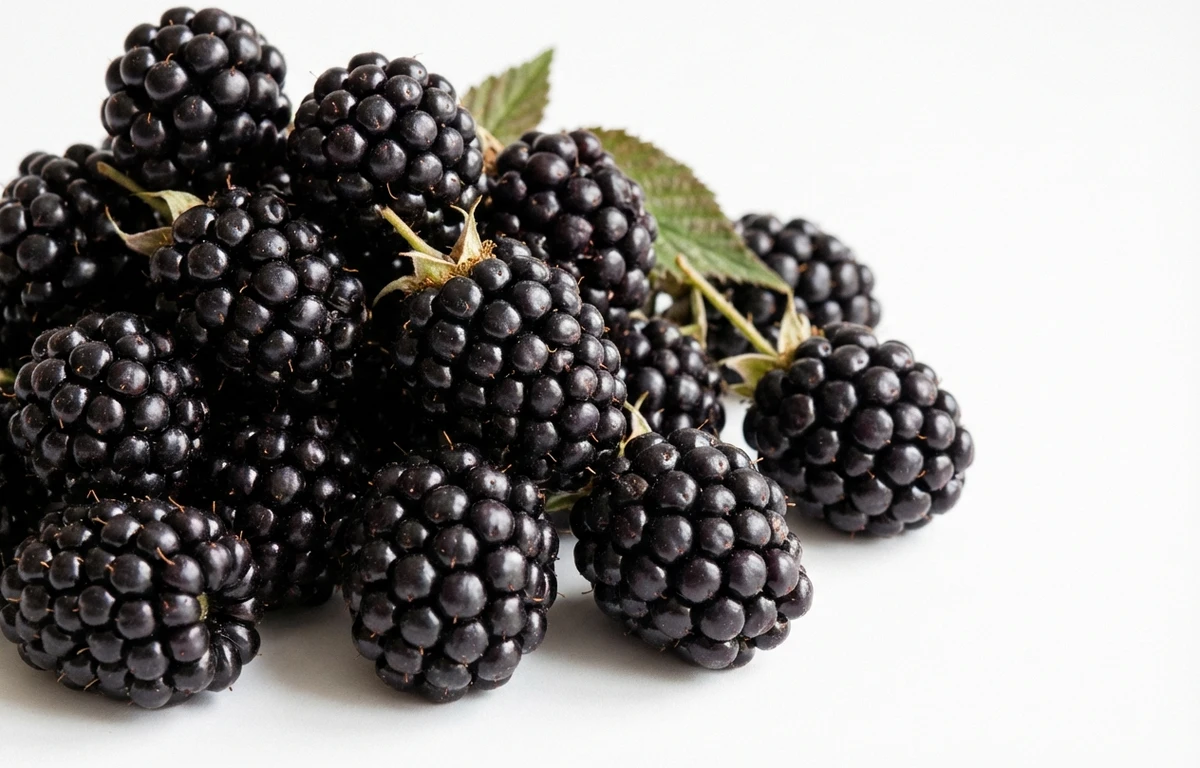
black berry.
VegetarianVeganGluten-freeDairy-freeNut-freePeanut-freeSoy-freeEgg-freeShellfish-freeHoney-freeAlcohol-freeHalalKosher
SERVING
CALORIES
54
PROTEIN
0.92g
CARBS
10.6g
FAT
0.63g
FIBER
4.3g
NUTRITION PROFILE · per 100 g
Everything in this ingredient.
MACRONUTRIENTS
Calories54.3kcal—
Protein0.92g2%
Carbohydrates10.6g4%
Fiber4.3g16%
Sugar7.6g15%
Total fat0.63g1%
Saturated fat0.20g1%
Trans fat0g—
Cholesterol0mg0%
Water82.9g—
MINERALS
Sodium1.2mg0%
Potassium205mg4%
Calcium23.8mg2%
Iron0.63mg4%
Magnesium30.9mg7%
Phosphorus20.1mg2%
Zinc0.11mg1%
Copper0.05mg6%
Manganese0.47mg20%
Selenium0µg0%
VITAMINS
Vitamin A52.3µg6%
Vitamin C19.4mg22%
Vitamin D14.7µg73%
Vitamin E0.52mg3%
Vitamin K1.8µg2%
Thiamin (B1)0.01mg1%
Riboflavin (B2)0.02mg2%
Niacin (B3)0.40mg3%
Pantothenic acid (B5)0.21mg4%
Vitamin B60.05mg3%
Biotin (B7)1.6µg6%
Folate (B9)22.9µg6%
%DV based on a 2,000 cal diet. Source: USDA FoodData Central. A dash in the %DV column means there’s no established Daily Value for that nutrient.
MEASUREMENT CONVERSIONS
How much is what.
1 cup144g
1 tablespoon9g
1 teaspoon3g
1 oz28.4g
1 lb453.6g
1 ml0.6g
1 liter609g
1 piece2.2g
HEALTH BENEFITS
Why eat it.
- ✓Rich in antioxidants, particularly anthocyanins, which help combat oxidative stress and may reduce inflammation.
- ✓High in dietary fiber, promoting digestive health, regular bowel movements, and supporting blood sugar control.
- ✓Excellent source of Vitamin C, crucial for immune function, skin health, and collagen production.
- ✓Good source of Vitamin K, which is essential for blood clotting and bone health.
COOKING TIPS
In the kitchen.
- 1Gently rinse blackberries in cool water just before using them, as washing them too early accelerates spoilage.
- 2For smoother sauces, jams, or purées, press cooked blackberries through a fine-mesh sieve to remove the seeds.
- 3Toss fresh blackberries with a small amount of cornstarch or flour before adding to pies or tarts to help thicken the juices and prevent a soggy crust.
- 4Muddle fresh blackberries with mint and lime for a refreshing addition to drinks like lemonade, iced tea, or cocktails.
STORAGE
Keep it fresh.
- Store unwashed blackberries in a single layer in a breathable container in the refrigerator's crisper drawer for 2-3 days.
- For long-term storage, freeze blackberries on a baking sheet in a single layer until solid, then transfer to an airtight bag or container for up to 6 months.
FAQ
Frequently asked questions.
Are blackberries healthy?
Yes, blackberries are highly nutritious and considered a superfood. They are rich in antioxidants called anthocyanins, which help reduce inflammation, and provide significant amounts of Vitamin C and Vitamin K for immune and bone health.
How many calories and carbs are in blackberries?
A 100g serving of blackberries contains approximately 54 calories and 10.64g of carbohydrates. Because they are high in fiber, their net carb count is relatively low compared to many other fruits.
Are blackberries keto-friendly?
Yes, blackberries are one of the best fruits for a keto or low-carb diet. Their high fiber content significantly lowers the net carb impact, allowing them to be consumed in moderation while staying within daily carb limits.
What are the main health benefits of blackberries?
Blackberries support digestive health through high fiber content and boost the immune system with Vitamin C. Their antioxidants protect cells from oxidative stress, and Vitamin K helps with proper blood clotting and bone strength.
What do blackberries taste like?
Blackberries have a complex flavor profile that balances sweetness with a distinct tartness. They often have earthy or woody undertones, and the flavor becomes sweeter and less acidic as the fruit fully ripens.
How should I store fresh blackberries?
Store unwashed blackberries in the refrigerator in a container that allows for airflow, such as the original vented plastic clamshell. They typically last 3 to 5 days; avoid washing them until immediately before consumption to prevent mold.
Can you freeze blackberries?
Yes, blackberries freeze very well. To prevent clumping, freeze them in a single layer on a baking sheet first, then transfer the frozen berries to a sealed bag or container for long-term storage.
How can you tell if blackberries have gone bad?
Check for visible white or grey mold, which spreads quickly among berries. Other signs of spoilage include extreme mushiness, leaking juice at the bottom of the container, or a fermented, sour smell.
Are blackberry seeds safe to eat?
Yes, blackberry seeds are completely safe and edible. They provide a significant portion of the fruit's dietary fiber and contain small amounts of healthy omega-3 and omega-6 fatty acids.
Are blackberries vegan and gluten-free?
Yes, blackberries are a natural, unprocessed fruit. They are inherently vegan, gluten-free, and free from common allergens, making them suitable for almost all dietary restrictions.



















