
Vegetable
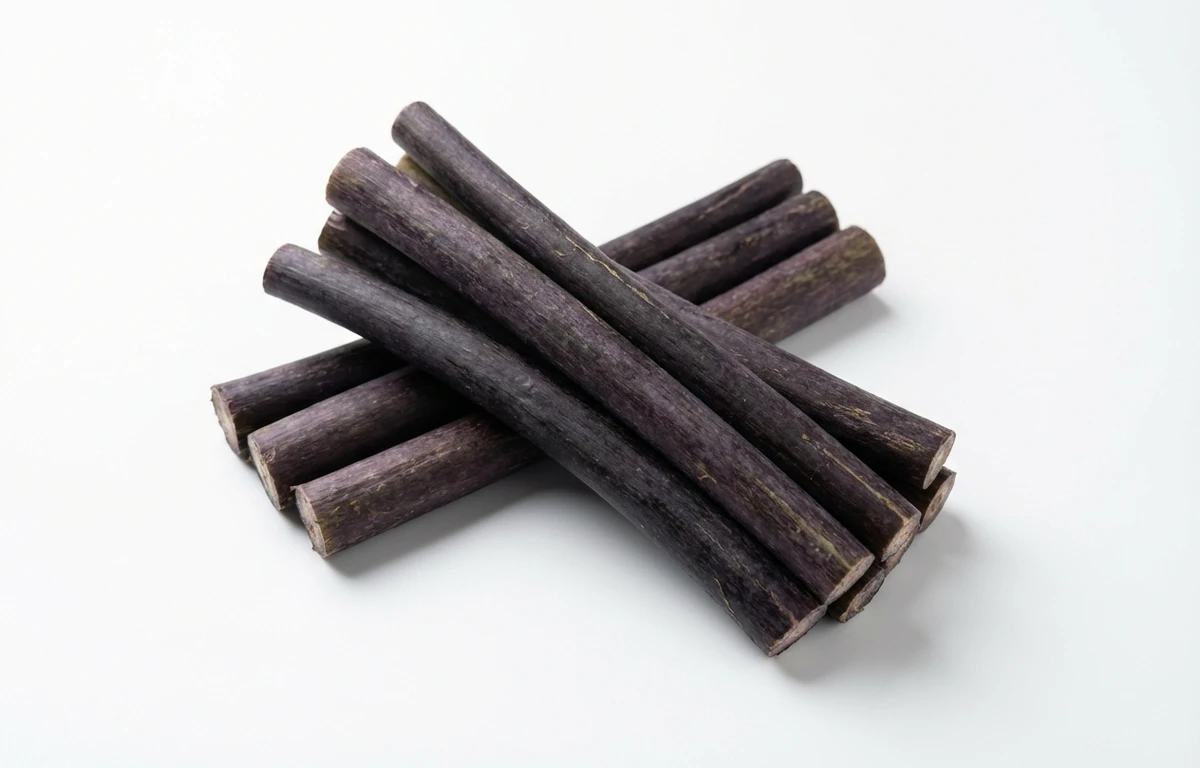
black colocasia stem.
VegetarianVeganGluten-freeDairy-freeNut-freePeanut-freeSoy-freeEgg-freeShellfish-freeHoney-freeAlcohol-freeHalalKosher
SERVING
CALORIES
24
PROTEIN
0.76g
CARBS
3.8g
FAT
0.34g
FIBER
3.0g
NUTRITION PROFILE · per 100 g
Everything in this ingredient.
MACRONUTRIENTS
Calories23.9kcal—
Protein0.76g2%
Carbohydrates3.8g1%
Fiber3.0g11%
Sugar0.53g1%
Total fat0.34g0%
Saturated fat0.10g1%
Trans fat0g—
Cholesterol0mg0%
Water91.2g—
MINERALS
Sodium0.45mg0%
Potassium381mg8%
Calcium29.5mg2%
Iron0.77mg4%
Magnesium11.1mg3%
Phosphorus20.3mg2%
Zinc0.54mg5%
Copper0.05mg6%
Manganese2.0mg87%
Selenium0.82µg1%
VITAMINS
Vitamin A5.0µg1%
Vitamin C5.2mg6%
Vitamin D0.21µg1%
Vitamin E0.06mg0%
Vitamin K35.8µg30%
Thiamin (B1)0.02mg2%
Riboflavin (B2)0.04mg3%
Niacin (B3)0.16mg1%
Pantothenic acid (B5)0.47mg9%
Vitamin B60.06mg4%
Biotin (B7)3.8µg13%
Folate (B9)30.9µg8%
%DV based on a 2,000 cal diet. Source: USDA FoodData Central. A dash in the %DV column means there’s no established Daily Value for that nutrient.
MEASUREMENT CONVERSIONS
How much is what.
1 cup177.4g
1 tablespoon11.1g
1 teaspoon3.7g
1 oz28.4g
1 lb453.6g
1 ml0.8g
1 liter750g
1 piece90g
HEALTH BENEFITS
Why eat it.
- ✓Rich in dietary fiber, which supports digestive health and helps regulate blood sugar levels.
- ✓Good source of potassium, an essential mineral for maintaining healthy blood pressure and fluid balance.
- ✓Contains Vitamin C and Vitamin A, antioxidants that boost the immune system and support vision health.
- ✓Provides essential minerals like iron and magnesium, which are important for energy production and muscle function.
COOKING TIPS
In the kitchen.
- 1Crucially, always cook colocasia stems thoroughly to break down calcium oxalate crystals, which are toxic when raw and can cause severe irritation to the mouth and throat.
- 2Peel the tough outer layer of the stem before cooking. Wearing gloves is recommended to prevent skin irritation from the sap.
- 3Soaking the chopped stems in salt water or tamarind water for 15-20 minutes before cooking can help reduce their acridity.
- 4The stems have a spongy texture that absorbs flavors well, making them excellent for curries, stews, and stir-fries, especially in South and Southeast Asian cuisine.
STORAGE
Keep it fresh.
- Store fresh, unwashed stems in a cool, dark, and well-ventilated place for up to 5-7 days.
- For longer storage, blanch the chopped stems and freeze them in an airtight container or bag for up to 3 months.
FAQ
Frequently asked questions.
Is black colocasia stem healthy?
Yes, black colocasia stem is very healthy as it is low in calories (23.9 per 100g) and fat. It is a nutrient-dense vegetable providing essential vitamins A and C, along with minerals like potassium and magnesium that support overall wellness.
Is black colocasia stem good for weight loss?
Yes, it is an excellent food for weight loss due to its low calorie count and high dietary fiber content. The fiber helps promote a feeling of fullness, which can reduce overall calorie intake throughout the day.
Is black colocasia stem keto-friendly?
Yes, black colocasia stem is keto-friendly. With only 3.83g of carbohydrates per 100g, it can easily fit into a low-carb or ketogenic diet without spiking blood sugar levels.
Can I eat black colocasia stem raw?
No, you should never eat black colocasia stem raw. It contains calcium oxalate crystals that cause intense itching and irritation in the mouth and throat; these crystals are neutralized only through proper cooking and the use of acidic ingredients.
How do you prepare black colocasia stem for cooking?
To prepare it, peel off the thin, fibrous outer skin and cut the stem into pieces. It is highly recommended to boil or soak the pieces in water with an acidic agent like tamarind, lemon juice, or vinegar to remove the acridity before adding them to your main dish.
What does black colocasia stem taste like?
It has a very mild, neutral, and slightly earthy flavor. Its most notable characteristic is its spongy texture, which allows it to absorb the flavors of gravies, coconut milk, and spices exceptionally well.
Is black colocasia stem vegan and gluten-free?
Yes, black colocasia stem is a natural plant-based vegetable. It is 100% vegan and naturally gluten-free, making it suitable for individuals with celiac disease or those following a plant-based diet.
How do you store black colocasia stem and how long does it last?
Fresh stems should be wrapped in a paper towel and stored in the vegetable crisper drawer of your refrigerator. They are best used within 3 to 5 days, as they can become limp or lose their texture if kept too long.
How can I prevent my hands from itching while cutting the stems?
To prevent skin irritation caused by the plant's oxalates, rub a little cooking oil or lemon juice on your hands before handling the stems. Alternatively, wearing kitchen gloves while peeling and cutting is the most effective way to avoid the 'itchy' sensation.
What are the main health benefits of black colocasia stem?
The stem is rich in fiber for digestive health, potassium for maintaining healthy blood pressure, and antioxidants like Vitamin C and A for immune support. It also provides iron and magnesium, which are essential for energy production and muscle function.



















