Other10 recipes
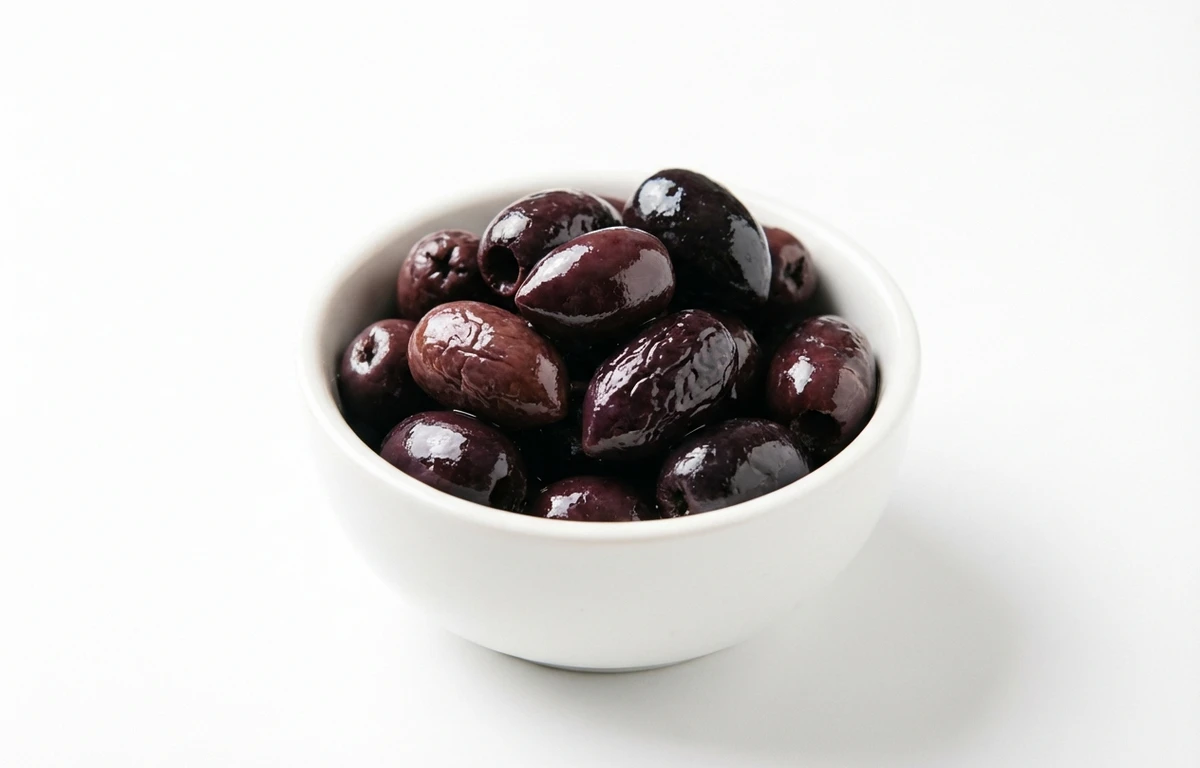
black olives.
VegetarianVeganGluten-freeDairy-freeNut-freePeanut-freeSoy-freeEgg-freeShellfish-freeHoney-freeAlcohol-freeFermented
ALSO KNOWN AS
olives
SERVING
CALORIES
115
PROTEIN
0.80g
CARBS
6.3g
FAT
10.7g
FIBER
3.2g
NUTRITION PROFILE · per 100 g
Everything in this ingredient.
MACRONUTRIENTS
Calories115kcal—
Protein0.80g2%
Carbohydrates6.3g2%
Fiber3.2g11%
Sugar0g0%
Total fat10.7g14%
Saturated fat1.4g7%
Trans fat0g—
Cholesterol0mg0%
Water80g—
MINERALS
Sodium735mg32%
Potassium8.0mg0%
Calcium88mg7%
Iron6.3mg35%
Magnesium4.0mg1%
Phosphorus3.0mg0%
Zinc0.20mg2%
Copper0.25mg28%
Manganese0.02mg1%
Selenium0.90µg2%
VITAMINS
Vitamin A20µg2%
Vitamin C0mg0%
Vitamin D0µg0%
Vitamin E1.6mg11%
Vitamin K1.4µg1%
Thiamin (B1)0mg0%
Riboflavin (B2)0mg0%
Niacin (B3)0mg0%
Pantothenic acid (B5)0mg0%
Vitamin B60mg0%
Folate (B9)0µg0%
Vitamin B120µg0%
%DV based on a 2,000 cal diet. Source: USDA FoodData Central. A dash in the %DV column means there’s no established Daily Value for that nutrient.
MEASUREMENT CONVERSIONS
How much is what.
1 cup180g
1 tablespoon8g
1 oz28.4g
1 lb453.6g
1 piece4g
HEALTH BENEFITS
Why eat it.
- ✓Rich in Vitamin E and other powerful antioxidants
- ✓Contains healthy monounsaturated fats like oleic acid
- ✓Supports heart health by maintaining healthy cholesterol levels
- ✓Good source of dietary fiber for digestive health
- ✓Contains iron which is essential for oxygen transport in blood
COOKING TIPS
In the kitchen.
- 1Rinse olives under cold water before use to reduce excess sodium
- 2Add olives toward the end of cooking to preserve their texture and flavor
- 3Finely chop olives to create a quick tapenade or flavor base for sauces
STORAGE
Keep it fresh.
- Store unopened cans or jars in a cool, dark pantry
- Once opened, keep olives submerged in their brine and refrigerate
- Use a clean spoon to remove olives to prevent bacterial growth
FAQ
Frequently asked questions.
How long do black olives last after opening?
When kept in their brine and refrigerated, opened black olives typically last 1 to 2 weeks.
Can you freeze black olives?
Freezing is not recommended as it significantly alters the texture, making them mushy, though they can still be used in cooked dishes.
What is a good substitute for black olives?
Green olives, capers, or chopped kalamata olives are the best substitutes for providing a similar salty, briny flavor.
Why are black olives so high in sodium?
The high sodium content comes from the curing and brining process used to remove the natural bitterness of the fruit.
Are black olives naturally black on the tree?
Most commercial black olives are picked green and treated with oxygen and iron gluconate to turn them black; naturally ripened olives are usually deep purple or brown.
How do I know if black olives have gone bad?
Discard them if you notice a foul odor, visible mold, or if the olives have become excessively soft or slimy.
Are black olives keto-friendly?
Yes, they are excellent for keto diets as they are high in healthy fats and very low in net carbohydrates.
Do black olives contain pits?
They are available both pitted and unpitted; always check the label or feel the olive before adding to recipes to avoid dental injury.
RECIPES
Cook with black olives.
10 recipes · sorted by what’s quick