
Other
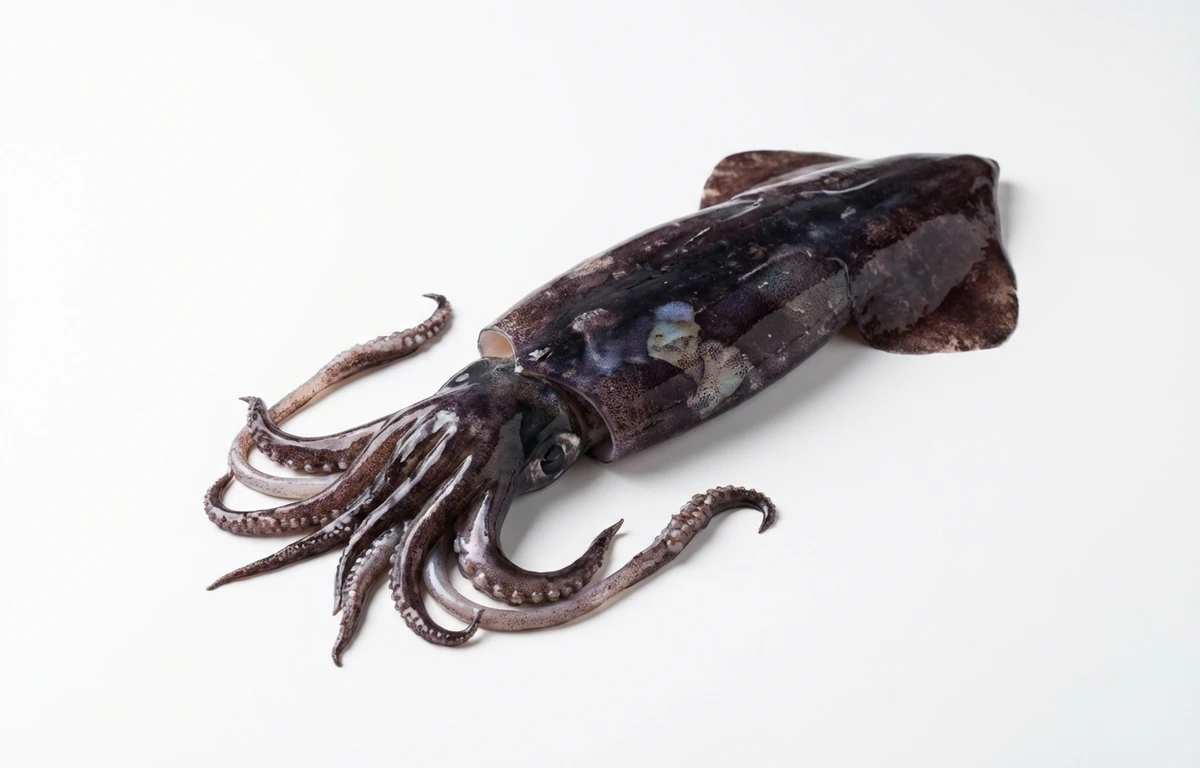
black squid.
VegetarianVeganGluten-freeDairy-freeNut-freePeanut-freeSoy-freeEgg-freeShellfish-freeHoney-freeAlcohol-freeKosher
SERVING
CALORIES
80
PROTEIN
16.1g
CARBS
0g
FAT
1.1g
FIBER
0g
NUTRITION PROFILE · per 100 g
Everything in this ingredient.
MACRONUTRIENTS
Calories80.1kcal—
Protein16.1g32%
Carbohydrates0g0%
Fiber0g0%
Sugar0g0%
Total fat1.1g1%
Saturated fat0.29g1%
Trans fat0g—
Cholesterol231mg77%
Water80.6g—
MINERALS
Sodium179mg8%
Potassium162mg3%
Calcium23mg2%
Iron0.50mg3%
Magnesium42mg10%
Phosphorus173mg14%
Zinc1.2mg11%
Copper1.1mg121%
Manganese0.03mg1%
Selenium57.1µg104%
VITAMINS
Vitamin A2.5µg0%
Vitamin C0mg0%
Vitamin D0.89µg4%
Vitamin E0.68mg5%
Vitamin K1.1µg1%
Thiamin (B1)0.02mg2%
Riboflavin (B2)0.04mg3%
Niacin (B3)1.0mg7%
Pantothenic acid (B5)0.72mg14%
Vitamin B6236mg13882%
Biotin (B7)1233µg4110%
Folate (B9)0µg0%
%DV based on a 2,000 cal diet. Source: USDA FoodData Central. A dash in the %DV column means there’s no established Daily Value for that nutrient.
MEASUREMENT CONVERSIONS
How much is what.
1 oz28.4g
1 lb453.6g
1 piece120g
HEALTH BENEFITS
Why eat it.
- ✓Excellent source of lean protein, essential for muscle growth and repair.
- ✓Rich in minerals such as selenium (an antioxidant), copper (for iron metabolism), and phosphorus (for bone health).
- ✓Provides omega-3 fatty acids, which support cardiovascular and brain health.
- ✓Low in saturated fat, making it a heart-healthy protein choice.
- ✓The ink contains antioxidants and has potential antimicrobial properties.
COOKING TIPS
In the kitchen.
- 1To avoid a rubbery texture, cook squid either very quickly over high heat (e.g., stir-fry or grill for 1-2 minutes) or very slowly over low heat (e.g., braise or stew for over 30 minutes).
- 2Utilize the ink sac to create 'nero di seppia' dishes; the ink adds a rich, briny, umami flavor and a dramatic black color to pasta, risotto, and sauces.
- 3Lightly scoring the inside of the squid mantle in a diamond pattern helps it cook evenly and prevents it from curling excessively.
- 4Marinating squid in acidic ingredients like lemon juice or vinegar for 15-30 minutes can help to tenderize the flesh before cooking.
STORAGE
Keep it fresh.
- Store fresh squid in the coldest part of the refrigerator (below 40°F/4°C) and consume within 1-2 days.
- Freeze fresh, cleaned squid in an airtight container or freezer bag at 0°F (-18°C) for up to 6 months. Thaw overnight in the refrigerator.
FAQ
Frequently asked questions.
Is black squid healthy?
Yes, black squid is a highly nutritious seafood choice. It is an excellent source of lean protein and essential minerals like selenium, copper, and phosphorus, while remaining very low in calories and saturated fat.
How much protein is in black squid?
Black squid provides approximately 16.1 grams of protein per 100-gram serving. This high protein-to-calorie ratio makes it an ideal food for muscle growth, repair, and maintaining satiety.
Is black squid good for weight loss?
Yes, black squid is excellent for weight loss diets. With only about 80 calories and 1 gram of fat per 100g, it allows for high-protein intake with very low caloric density, helping you stay full while managing your weight.
Is black squid keto-friendly?
Absolutely. Black squid contains 0 grams of carbohydrates, making it a perfect protein source for ketogenic and other low-carb lifestyles. It also provides healthy omega-3 fatty acids.
Is black squid gluten-free?
In its natural state, black squid is entirely gluten-free. However, always check preparation methods, as it is often breaded or served with pasta which contains gluten.
What does black squid taste like?
The meat has a mild, slightly sweet flavor and a firm, chewy texture. The black ink adds a deep, savory umami profile with a distinct briny or salty 'sea' flavor that enhances sauces and rice dishes.
How do you cook black squid?
Black squid should be cooked either very quickly over high heat (sautéing or grilling for 2-3 minutes) or simmered slowly for over 30 minutes. Cooking it for a medium amount of time often results in a rubbery texture.
Can you eat the ink in black squid?
Yes, squid ink is edible and highly valued for its culinary uses. It is rich in antioxidants and is commonly used to flavor and color gourmet dishes like black risotto and squid ink pasta.
How do you store fresh black squid?
Fresh squid should be stored in the coldest part of your refrigerator and consumed within 1 to 2 days. If you cannot use it immediately, it can be cleaned and frozen in an airtight container for up to three months.
Is black squid high in cholesterol?
Squid does contain more dietary cholesterol than some other seafood. However, because it is very low in saturated fat, it is still considered a heart-healthy protein choice when consumed as part of a balanced diet.



















