Other10 recipes
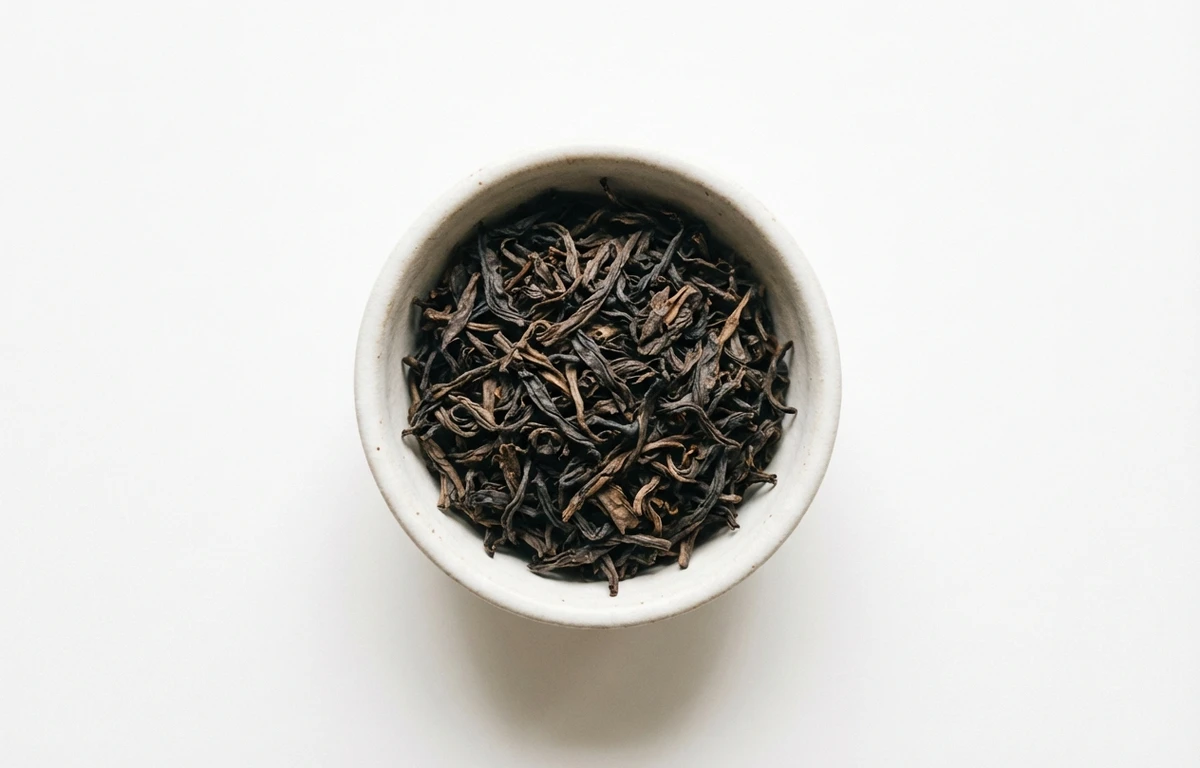
black tea leaves.
VegetarianVeganGluten-freeDairy-freeNut-freePeanut-freeSoy-freeEgg-freeShellfish-freeHoney-freeAlcohol-freeFermented
ALSO KNOWN AS
chai pattiloose leaf black teablack tea
SERVING
CALORIES
293
PROTEIN
20g
CARBS
50g
FAT
1.5g
FIBER
38.5g
This ingredient is flagged as naturally gluten-free. Per 100 g, it provides 700 µg of vitamin K.
NUTRITION PROFILE · per 100 g
Everything in this ingredient.
MACRONUTRIENTS
Calories293kcal—
Protein20g40%
Carbohydrates50g18%
Fiber38.5g138%
Sugar0g0%
Total fat1.5g2%
Saturated fat0.40g2%
Trans fat0g—
Cholesterol0mg0%
Water5.0g—
MINERALS
Sodium3.0mg0%
Potassium2160mg46%
Calcium430mg33%
Iron17.4mg97%
Magnesium250mg60%
Phosphorus330mg26%
Zinc2.8mg25%
Copper0.60mg67%
Manganese60mg2609%
Selenium2.5µg5%
VITAMINS
Vitamin A0µg0%
Vitamin C0mg0%
Vitamin D0µg0%
Vitamin E0mg0%
Vitamin K700µg583%
Thiamin (B1)0.10mg8%
Riboflavin (B2)1.2mg92%
Niacin (B3)6.5mg41%
Pantothenic acid (B5)1.5mg30%
Vitamin B60.60mg35%
Folate (B9)30µg8%
Vitamin B120µg0%
%DV based on a 2,000 cal diet. Source: USDA FoodData Central. A dash in the %DV column means there’s no established Daily Value for that nutrient.
MEASUREMENT CONVERSIONS
How much is what.
1 cup80g
1 tablespoon6g
1 teaspoon2g
1 oz28.4g
1 lb453.6g
1 ml0.4g
1 liter400g
HEALTH BENEFITS
Why eat it.
- ✓Contains caffeine and L-theanine for improved focus
- ✓May improve heart health by reducing LDL cholesterol
- ✓Supports gut health by promoting healthy bacteria
- ✓May help reduce blood pressure when consumed regularly
COOKING TIPS
In the kitchen.
- 1Use water just off the boil (90-95°C) to avoid scorching leaves
- 2Steep for 3-5 minutes; longer steeping increases bitterness
- 3Can be used as a dry rub or smoking agent for meats
STORAGE
Keep it fresh.
- Store in an airtight container to prevent moisture absorption
- Keep in a cool, dark place away from direct sunlight
- Store away from strong-smelling spices as tea absorbs odors
FAQ
Frequently asked questions.
How long do dry black tea leaves last?
When stored in an airtight container in a cool, dark place, they maintain peak flavor for 12-24 months.
Can I freeze tea leaves to keep them fresh?
It is not recommended as condensation can form when the container is opened, damaging the leaves.
How can I identify high-quality black tea?
Look for whole, unbroken leaves rather than dust, and a strong, pleasant aroma without mustiness.
What are the best substitutes for black tea?
Oolong tea is the closest substitute; Rooibos is a good caffeine-free alternative.
Do tea leaves contain calories?
While the dry leaves have caloric value, the brewed liquid is virtually calorie-free (approx. 1-2 calories per cup).
How should I prepare tea leaves for the best flavor?
Use 1 teaspoon of leaves per 6 ounces of water and steep in freshly boiled water for 3 to 5 minutes.
Is black tea fermented?
Yes, black tea undergoes full oxidation, which is often referred to as fermentation in the tea industry.
Does black tea contain more caffeine than green tea?
Generally yes, the oxidation process and typical brewing methods result in higher caffeine levels in black tea.
RECIPES
Cook with black tea leaves.
10 recipes · sorted by what’s quick