
Grain
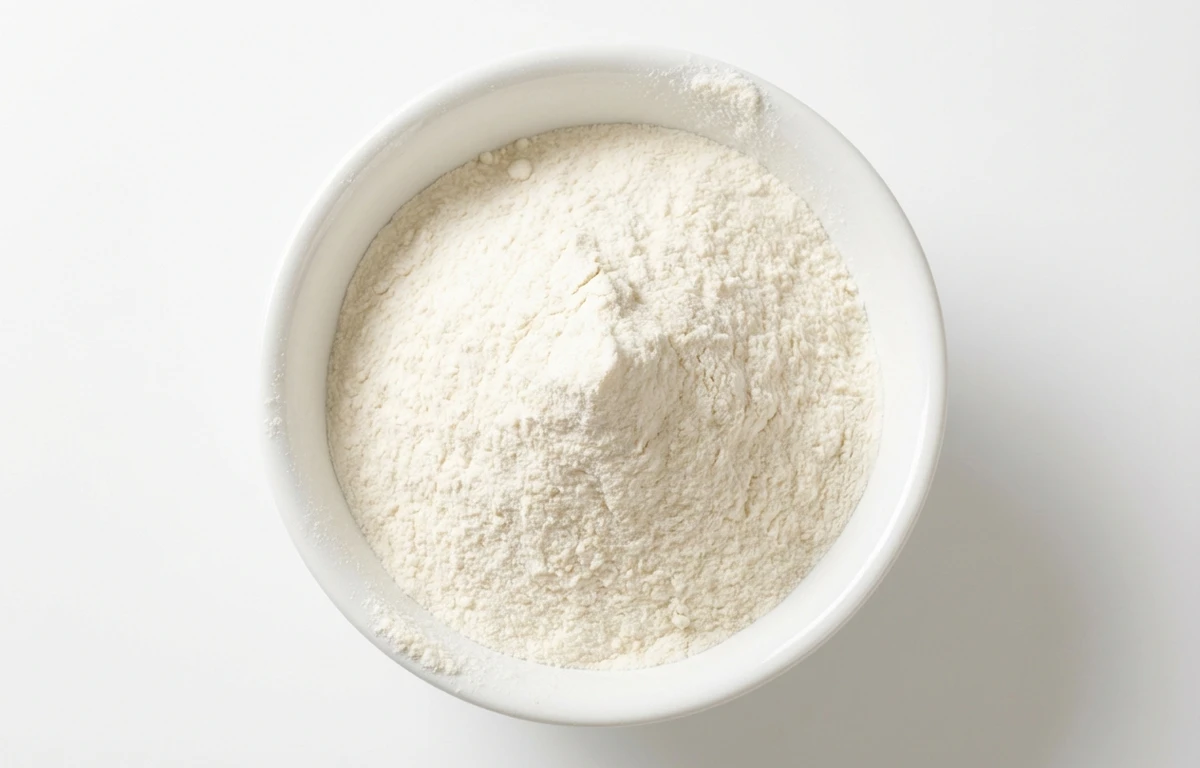
bleached white wheat flour.
VegetarianVeganGluten-freeDairy-freeNut-freePeanut-freeSoy-freeEgg-freeShellfish-freeHoney-freeAlcohol-free
SERVING
CALORIES
362
PROTEIN
13.1g
CARBS
72.2g
FAT
1.4g
FIBER
2.4g
NUTRITION PROFILE · per 100 g
Everything in this ingredient.
MACRONUTRIENTS
Calories362kcal—
Protein13.1g26%
Carbohydrates72.2g26%
Fiber2.4g9%
Sugar1.1g2%
Total fat1.4g2%
Saturated fat0.19g1%
Cholesterol0mg0%
Water12.8g—
MINERALS
Sodium2.0mg0%
Potassium128mg3%
Calcium24mg2%
Iron1.3mg7%
Magnesium35mg8%
Phosphorus119mg10%
Zinc1.6mg15%
Copper0.19mg21%
Manganese0.62mg27%
Selenium26.2µg48%
VITAMINS
Vitamin A0µg0%
Vitamin C0mg0%
Vitamin D0µg0%
Vitamin E0.05mg0%
Vitamin K0.30µg0%
Thiamin (B1)0.19mg16%
Riboflavin (B2)0.07mg5%
Niacin (B3)1.2mg8%
Pantothenic acid (B5)0.39mg8%
Vitamin B60.05mg3%
Folate (B9)31µg8%
Vitamin B120µg0%
%DV based on a 2,000 cal diet. Source: USDA FoodData Central. A dash in the %DV column means there’s no established Daily Value for that nutrient.
MEASUREMENT CONVERSIONS
How much is what.
1 cup125g
1 tablespoon7.8g
1 teaspoon2.6g
1 ml0.5g
1 liter520g
HEALTH BENEFITS
Why eat it.
- ✓Often enriched with B vitamins (thiamin, riboflavin, niacin, folic acid) and iron to replace nutrients lost during processing.
- ✓Provides a quick source of energy due to its high concentration of simple carbohydrates.
- ✓Folic acid enrichment is crucial for preventing neural tube defects in fetal development.
- ✓Its fine texture is easily digestible for most individuals without gluten sensitivity.
COOKING TIPS
In the kitchen.
- 1Sift before using in delicate baked goods like cakes and pastries to aerate the flour and ensure a light, tender crumb.
- 2Ideal for creating smooth, lump-free white sauces, gravies, and roux due to its fine consistency.
- 3When making quick breads or muffins, mix only until the ingredients are just combined to avoid overdeveloping gluten, which can lead to a tough texture.
- 4The bleaching process slightly weakens the gluten, making it suitable for tender baked goods rather than chewy, artisanal breads.
STORAGE
Keep it fresh.
- Store in a cool, dry, dark place in an airtight container to prevent moisture, pests, and off-odors.
- For long-term storage (beyond 6-8 months), place the airtight container in the freezer to prevent the small amount of fat from going rancid.
FAQ
Frequently asked questions.
Is bleached white wheat flour healthy?
Bleached white wheat flour is a good source of quick energy and is typically enriched with essential nutrients like iron and B vitamins (thiamin, riboflavin, niacin, and folic acid). However, it is lower in fiber than whole grain flours, so it is best enjoyed as part of a balanced diet that includes whole foods.
How many calories and carbs are in bleached white wheat flour?
Per 100g, bleached white wheat flour contains approximately 362 calories and 72.2g of carbohydrates. It also provides about 13.07g of protein and a very low fat content of 1.38g.
Is bleached white wheat flour gluten-free?
No, bleached white wheat flour is not gluten-free. It is made from wheat and contains the proteins glutenin and gliadin, which form gluten when mixed with water, making it unsuitable for those with celiac disease or gluten sensitivity.
Is bleached white wheat flour vegan?
Yes, bleached white wheat flour is vegan. It is a plant-based product derived entirely from wheat grains, and the bleaching agents used in the milling process do not contain animal-derived ingredients.
Is bleached white wheat flour keto-friendly?
No, it is not keto-friendly. With over 72g of carbohydrates per 100g, it is a high-carb ingredient that can significantly impact blood sugar levels and prevent the body from staying in ketosis.
What is the difference between bleached and unbleached flour?
Bleached flour is treated with chemical agents to speed up the aging process, resulting in a whiter color, finer texture, and softer protein. Unbleached flour ages naturally over time, has a slightly off-white color, and typically provides a bit more structure in baked goods.
What is bleached white wheat flour best used for?
Due to its fine texture and lower protein strength, it is ideal for delicate baked goods like cookies, pie crusts, pancakes, and quick breads. It produces a lighter, fluffier crumb and a more tender texture than heartier flours.
Can I substitute bleached flour with whole wheat flour?
Yes, but the results will differ. Whole wheat flour is denser and absorbs more liquid, so you may need to increase the moisture in your recipe; a common practice is to substitute only 25-50% of the white flour with whole wheat to maintain a pleasant texture.
How should I store bleached white wheat flour?
Store flour in an airtight container in a cool, dry, and dark place to protect it from moisture and pests. While it can last 6-12 months in a pantry, you can extend its shelf life by storing it in the refrigerator or freezer.
How do I know if my flour has gone bad?
Fresh flour should have a neutral, slightly nutty smell or no smell at all. If the flour develops a sour, musty, or oily odor, or if you see any signs of weevils or clumps caused by moisture, it should be discarded.



















