Grain2 recipes
blue cornmeal.
VegetarianVeganGluten-freeDairy-freeNut-freePeanut-freeSoy-freeEgg-freeShellfish-freeHoney-freeAlcohol-freeWhole grain
ALSO KNOWN AS
blue maize flourharina de maiz azulhopi maize mealground blue corn
SERVING
CALORIES
365
PROTEIN
9.1g
CARBS
76.4g
FAT
3.9g
FIBER
8.2g
NUTRITION PROFILE · per 100 g
Everything in this ingredient.
MACRONUTRIENTS
Calories365kcal—
Protein9.1g18%
Carbohydrates76.4g28%
Fiber8.2g29%
Sugar0.80g2%
Total fat3.9g5%
Saturated fat0.50g3%
Trans fat0g—
Cholesterol0mg0%
Water10.2g—
MINERALS
Sodium5.0mg0%
Potassium315mg7%
Calcium12mg1%
Iron2.5mg14%
Magnesium127mg30%
Phosphorus272mg22%
Zinc2.2mg20%
Copper0.30mg33%
Manganese0.50mg22%
Selenium15.4µg28%
VITAMINS
Vitamin A11µg1%
Vitamin C0mg0%
Vitamin D0µg0%
Vitamin E0.40mg3%
Vitamin K0.30µg0%
Thiamin (B1)0.38mg32%
Riboflavin (B2)0.20mg15%
Niacin (B3)3.6mg23%
Pantothenic acid (B5)0.40mg8%
Vitamin B60.60mg35%
Folate (B9)18µg5%
Vitamin B120µg0%
%DV based on a 2,000 cal diet. Source: USDA FoodData Central. A dash in the %DV column means there’s no established Daily Value for that nutrient.
MEASUREMENT CONVERSIONS
How much is what.
1 cup120g
1 tablespoon7.5g
1 teaspoon2.5g
1 oz28.4g
1 lb453.6g
1 ml0.5g
1 liter500g
HEALTH BENEFITS
Why eat it.
- ✓Rich in anthocyanins which provide potent antioxidant properties
- ✓Lower glycemic index compared to yellow or white cornmeal
- ✓High fiber content supports digestive health and satiety
- ✓Good source of essential minerals like magnesium and zinc
- ✓Naturally gluten-free alternative for wheat-sensitive diets
COOKING TIPS
In the kitchen.
- 1Blue cornmeal often requires slightly more liquid than yellow cornmeal as it is more absorbent
- 2Add a small amount of lime juice or acidic ingredient to help maintain the vibrant blue-purple color
- 3Toast the cornmeal lightly in a dry pan before using to enhance its nutty flavor
STORAGE
Keep it fresh.
- Store in an airtight container in a cool, dark, and dry pantry
- Keep in the refrigerator or freezer to prevent the natural oils from turning rancid
- Use within 6 to 12 months for optimal flavor and nutritional value
FAQ
Frequently asked questions.
How long does blue cornmeal last?
In a cool, dry pantry, it lasts about 6 months. If stored in the freezer, it can remain fresh for up to a year.
Is blue cornmeal gluten-free?
Yes, blue corn is naturally gluten-free, but always check labels for potential cross-contamination during processing.
Can I substitute yellow cornmeal for blue cornmeal?
Yes, they can be substituted 1:1, though blue cornmeal has a nuttier, sweeter flavor and a slightly different texture.
Why is blue cornmeal considered healthier than yellow cornmeal?
It contains anthocyanins (antioxidants) and generally has more protein and a lower glycemic index.
What are common dishes made with blue cornmeal?
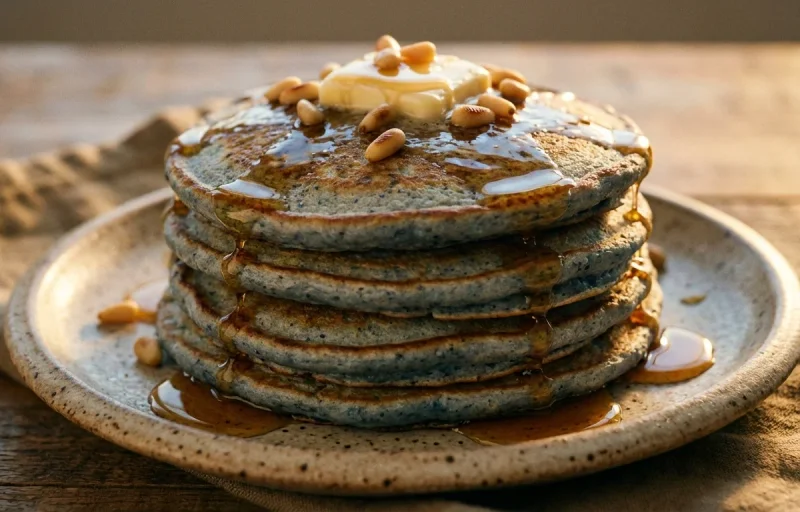
It is commonly used for blue corn tortillas, tamales, atole, pancakes, and cornbread.
How do I pick the best quality blue cornmeal?
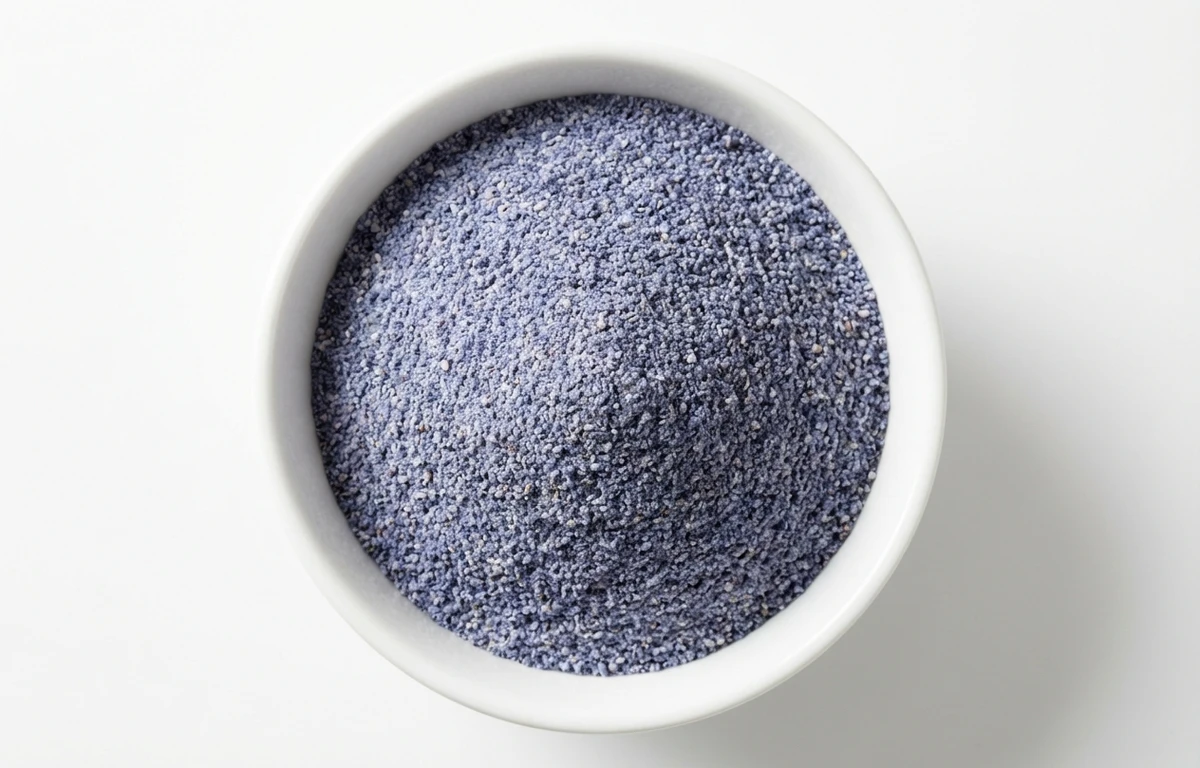
Look for a vibrant, deep blue or purple color and a fresh, nutty scent. Avoid any that smell musty or oily.
Does blue cornmeal change color when cooked?
It usually retains its blue-gray or purple hue, but the color can shift toward gray if the pH of the water is too alkaline.
Is blue cornmeal whole grain?
Most blue cornmeal is stone-ground and retains the germ and bran, making it a whole grain product.
Can I use blue cornmeal to make polenta?
Yes, it makes a striking and flavorful blue polenta, though the texture may be slightly different than traditional Italian cornmeal.
RECIPES
Cook with blue cornmeal.
2 recipes · sorted by what’s quick