spice
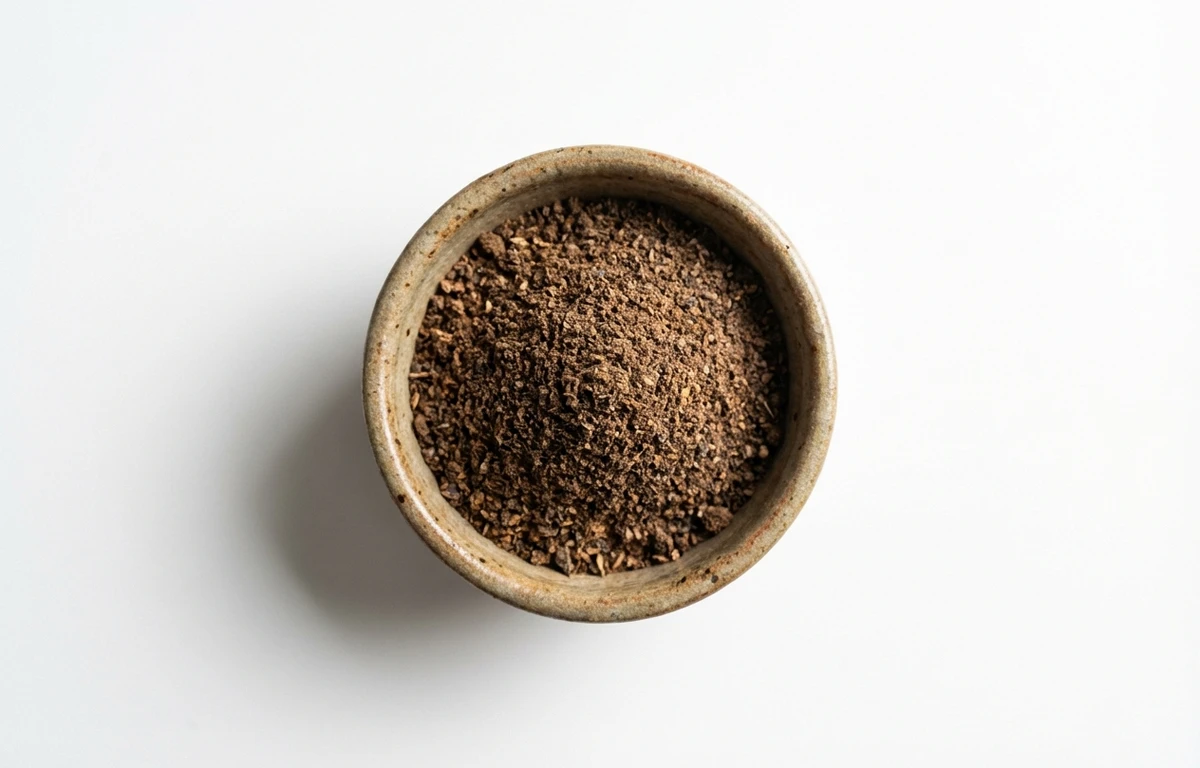
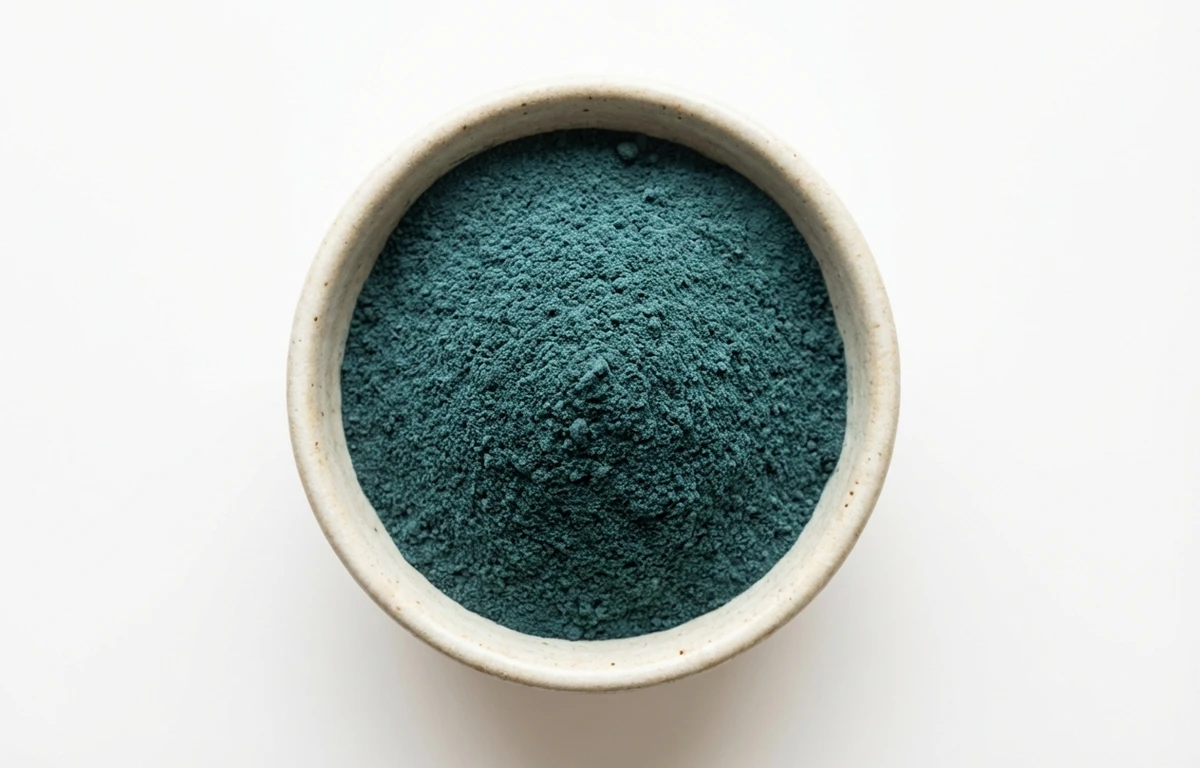
Blue Fenugreek Powder.
VegetarianVeganGluten-freeDairy-freeNut-freePeanut-freeSoy-freeEgg-freeShellfish-freeHoney-freeAlcohol-free
ALSO KNOWN AS
Utskho Suneli PowderDried Blue Fenugreek PowderGround Blue Fenugreek
SERVING
CALORIES
323
PROTEIN
23g
CARBS
58.3g
FAT
6.4g
FIBER
24.6g
This ingredient is flagged as naturally gluten-free. Per 100 g, it provides 0 µg of vitamin K.
NUTRITION PROFILE · per 100 g
Everything in this ingredient.
MACRONUTRIENTS
Calories323kcal—
Protein23g46%
Carbohydrates58.3g21%
Fiber24.6g88%
Sugar0g0%
Total fat6.4g8%
Saturated fat1.5g8%
Trans fat0g—
Cholesterol0mg0%
Water8.8g—
MINERALS
Sodium67mg3%
Potassium770mg16%
Calcium176mg14%
Iron33.5mg186%
Magnesium191mg45%
Phosphorus385mg31%
Zinc2.5mg23%
Copper1.1mg122%
Manganese1.2mg52%
Selenium6.3µg11%
VITAMINS
Vitamin A3.0µg0%
Vitamin C3.0mg3%
Vitamin D0µg0%
Vitamin E0mg0%
Vitamin K0µg0%
Thiamin (B1)0.32mg27%
Riboflavin (B2)0.37mg28%
Niacin (B3)1.6mg10%
Pantothenic acid (B5)0.60mg12%
Vitamin B60.60mg35%
Folate (B9)57µg14%
Vitamin B120µg0%
%DV based on a 2,000 cal diet. Source: USDA FoodData Central. A dash in the %DV column means there’s no established Daily Value for that nutrient.
MEASUREMENT CONVERSIONS
How much is what.
1 cup120g
1 tablespoon7.5g
1 teaspoon2.5g
1 oz28.4g
1 lb453.6g
HEALTH BENEFITS
Why eat it.
- ✓Aids digestion and reduces bloating
- ✓Rich source of dietary iron and magnesium
- ✓Traditionally used to support respiratory health
COOKING TIPS
In the kitchen.
- 1Essential for authentic Georgian dishes like Satsivi and Lobio
- 2Add toward the middle of cooking to allow flavors to meld without becoming bitter
- 3Pairs exceptionally well with walnuts, garlic, and coriander
STORAGE
Keep it fresh.
- Store in an airtight glass container to preserve volatile oils
- Keep in a cool, dark, and dry place away from direct sunlight
- Avoid storing near the stove as heat degrades the flavor quickly
FAQ
Frequently asked questions.
What is the difference between Blue Fenugreek and regular Fenugreek?
Blue Fenugreek (Trigonella caerulea) is milder and more aromatic than common fenugreek (Trigonella foenum-graecum), lacking the intense bitterness of the latter.
How long does Blue Fenugreek Powder last?
When stored in an airtight container in a cool, dark place, it maintains its potency for 1 to 2 years.
What can I use as a substitute for Blue Fenugreek Powder?
Common fenugreek powder is the closest substitute, but use about half the amount as it is much more bitter and pungent.
Is Blue Fenugreek Powder gluten-free?
Yes, pure Blue Fenugreek Powder is naturally gluten-free.
How do I identify high-quality Blue Fenugreek Powder?
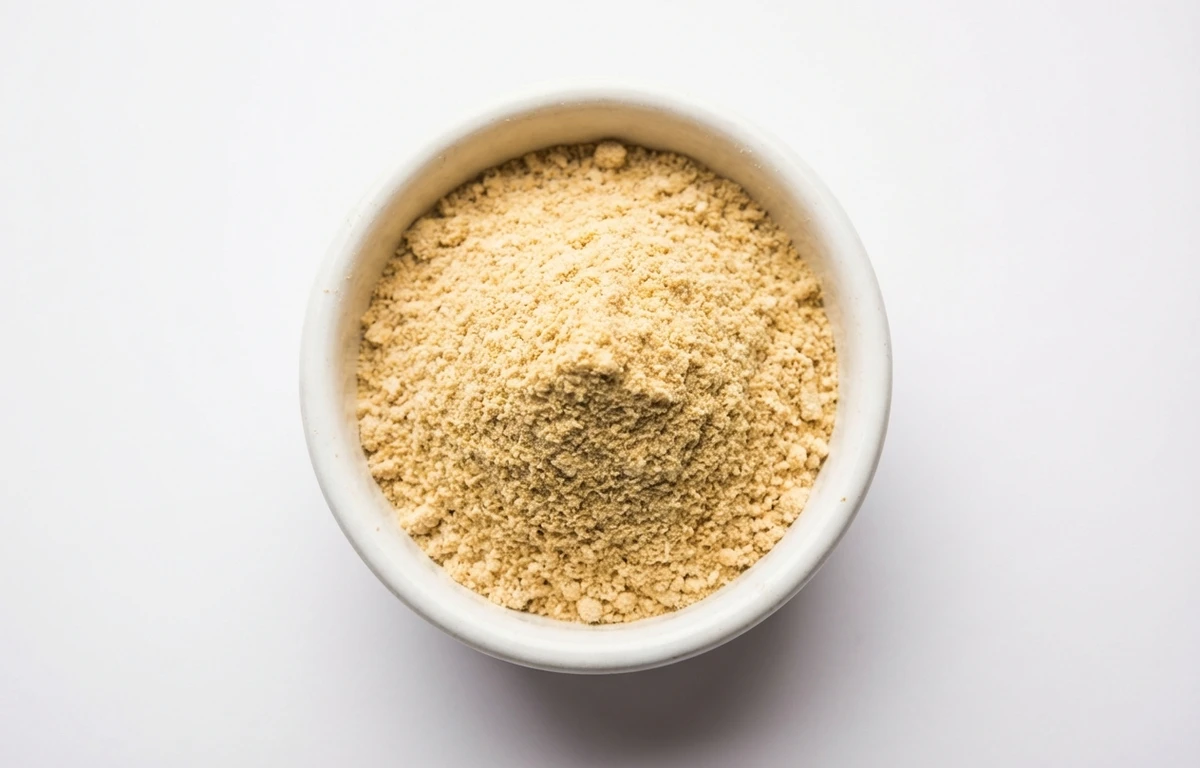
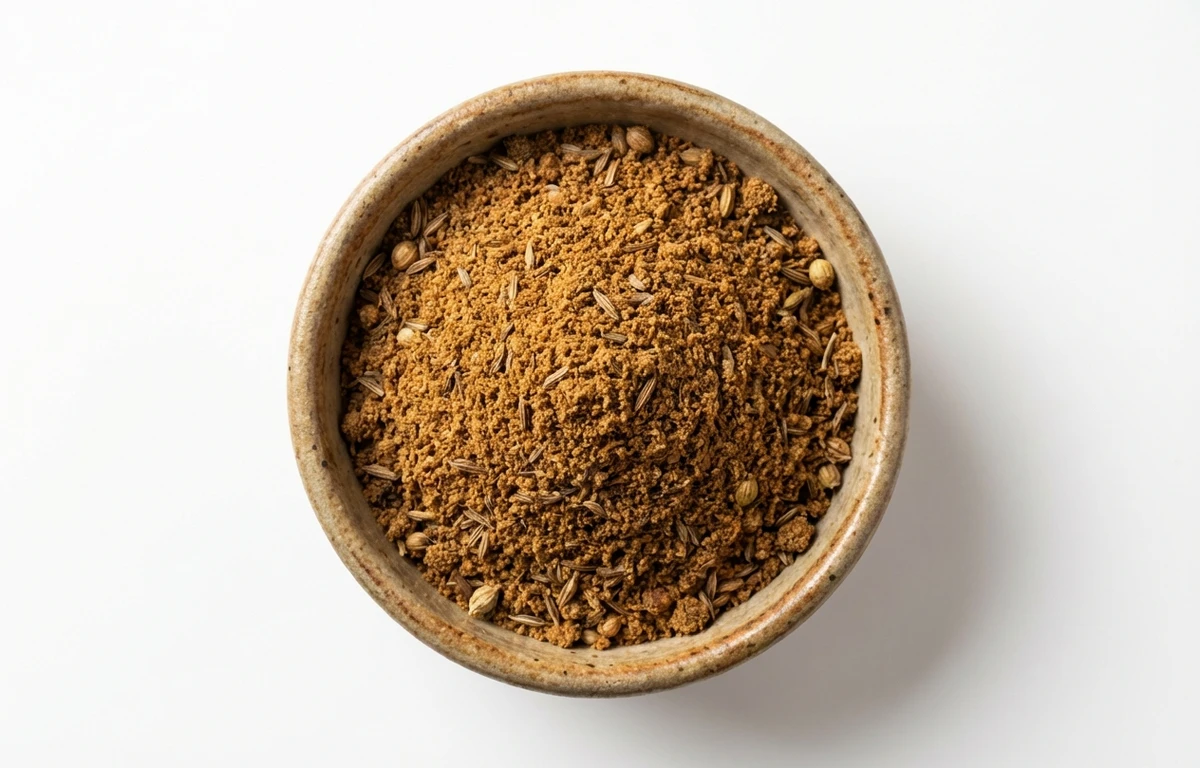
Look for a pale green or greyish-green color; if the powder is dark brown, it may be old or made from over-toasted seeds.
Can I freeze Blue Fenugreek Powder?
While possible, it is not necessary if kept in a cool, dry pantry. If freezing, ensure the container is completely moisture-proof.
What are the most common dishes that use this spice?
It is a cornerstone of Georgian cuisine, used in Khmeli Suneli spice blends, walnut sauces (Satsivi), and bean stews (Lobio).
Does it need to be toasted before use?
The powder is usually made from dried, slightly toasted pods/seeds, so further toasting is generally not required unless specified by a recipe.