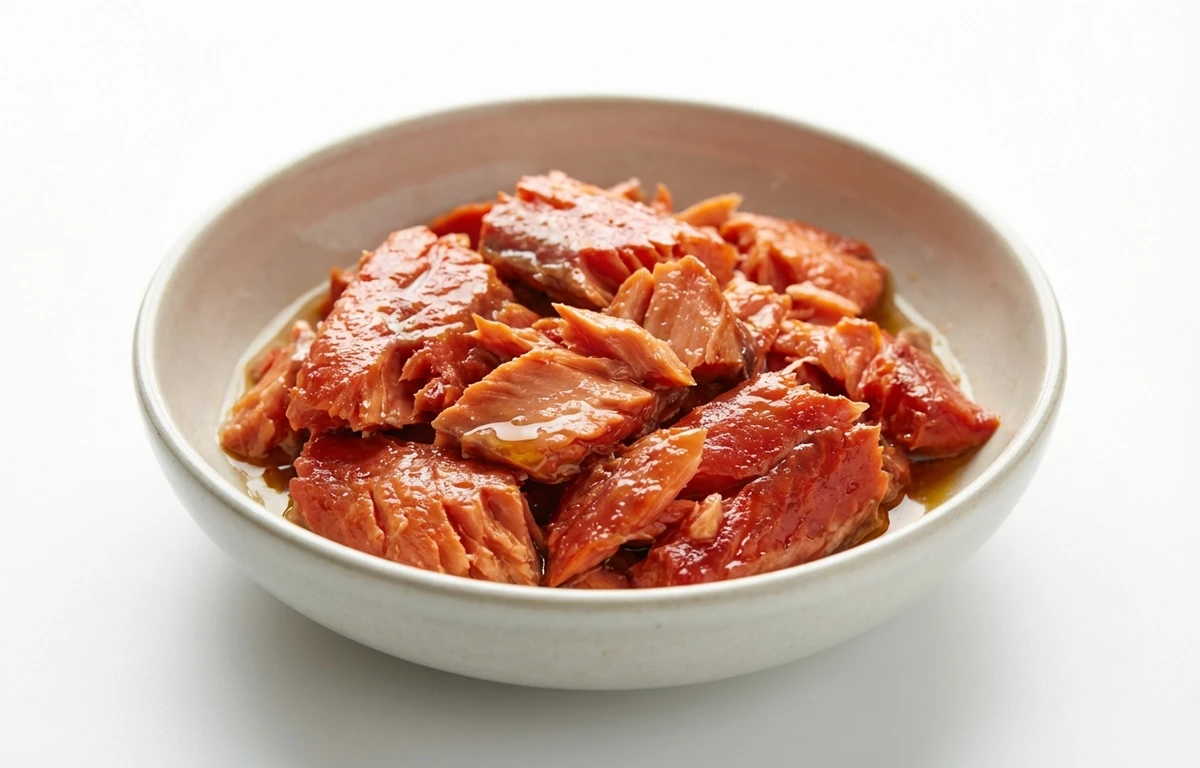
seafood1 recipes
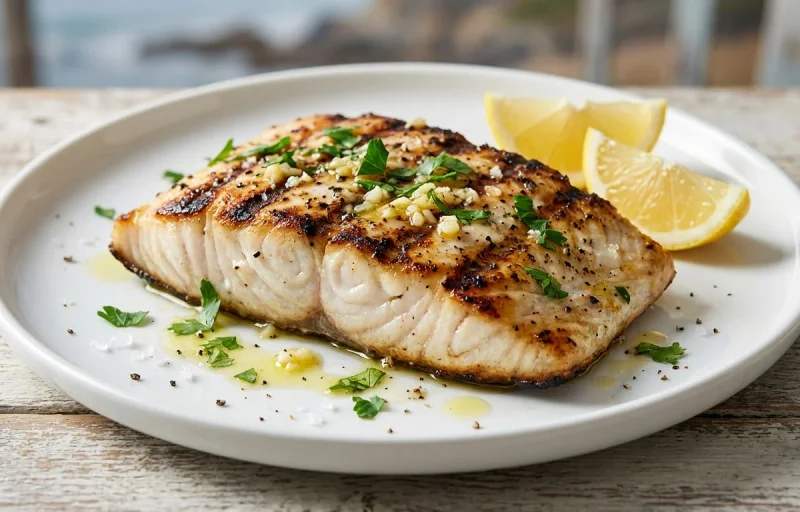
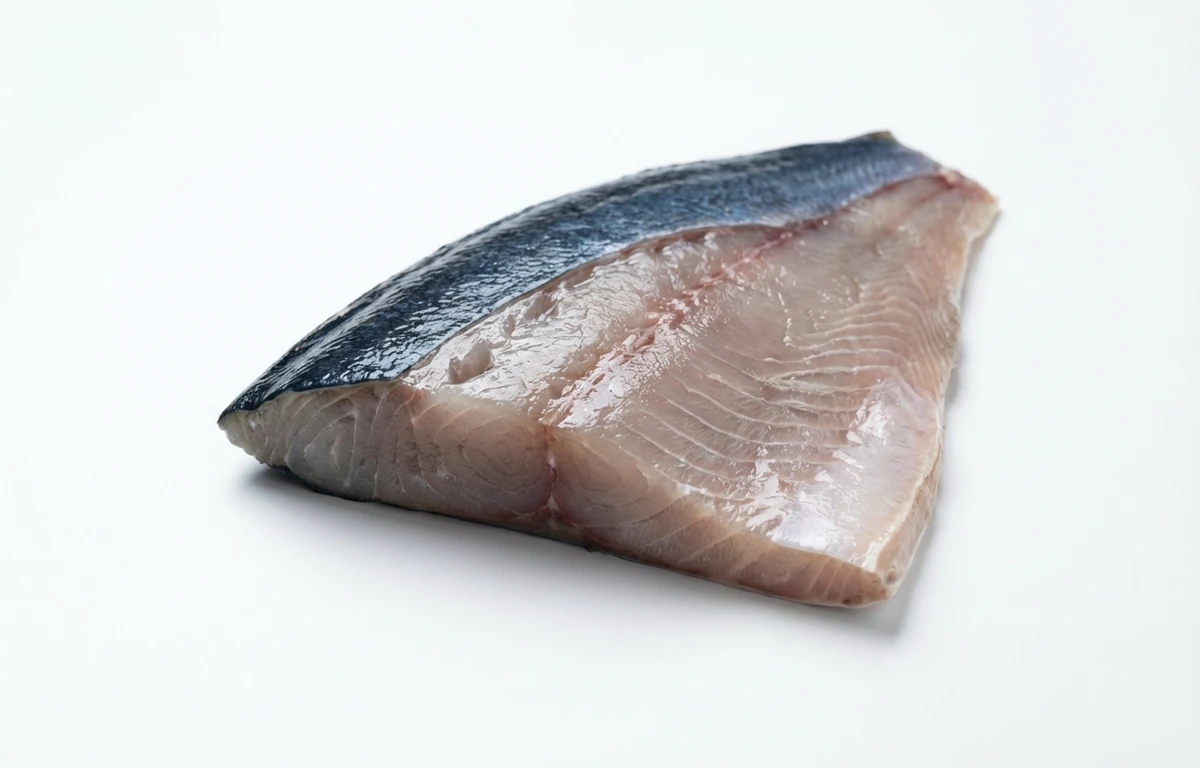
bluefish fillet.
VegetarianVeganGluten-freeDairy-freeNut-freePeanut-freeSoy-freeEgg-freeShellfish-freeHoney-freeAlcohol-free
ALSO KNOWN AS
tailorelfpomatomus saltatrixbluefish fillets
SERVING
CALORIES
124
PROTEIN
20.5g
CARBS
0g
FAT
4.2g
FIBER
0g
This ingredient is flagged as naturally gluten-free. Per 100 g, it provides 0.10 µg of vitamin K.
NUTRITION PROFILE · per 100 g
Everything in this ingredient.
MACRONUTRIENTS
Calories124kcal—
Protein20.5g41%
Carbohydrates0g0%
Fiber0g0%
Sugar0g0%
Total fat4.2g5%
Saturated fat0.90g5%
Cholesterol50mg17%
Water74.3g—
MINERALS
Sodium50mg2%
Potassium380mg8%
Calcium20mg2%
Iron0.70mg4%
Magnesium30mg7%
Phosphorus250mg20%
Zinc0.50mg5%
Copper0.05mg6%
Manganese0.01mg0%
Selenium36µg65%
VITAMINS
Vitamin A10µg1%
Vitamin C1.0mg1%
Vitamin D10µg50%
Vitamin E0.50mg3%
Vitamin K0.10µg0%
Thiamin (B1)0.10mg8%
Riboflavin (B2)0.10mg8%
Niacin (B3)6.0mg38%
Pantothenic acid (B5)0.50mg10%
Vitamin B60.30mg18%
Folate (B9)10µg3%
Vitamin B123.0µg125%
%DV based on a 2,000 cal diet. Source: USDA FoodData Central. A dash in the %DV column means there’s no established Daily Value for that nutrient.
MEASUREMENT CONVERSIONS
How much is what.
1 cup150g
1 tablespoon6.7g
1 teaspoon4g
1 oz3.5g
1 lb0.2g
1 liter0.1g
1 piece170g
HEALTH BENEFITS
Why eat it.
- ✓Excellent source of lean protein for muscle repair and growth.
- ✓Rich in Omega-3 fatty acids, beneficial for heart and brain health.
- ✓Good source of Vitamin B12, essential for nerve function and red blood cell formation.
COOKING TIPS
In the kitchen.
- 1Bluefish has a rich, somewhat oily flavor; it pairs well with strong seasonings.
- 2It can be baked, grilled, pan-fried, or broiled.
- 3Avoid overcooking to maintain moisture and tenderness.
STORAGE
Keep it fresh.
- Store fresh bluefish fillets in the coldest part of the refrigerator for 1-2 days.
- For longer storage, freeze fillets in airtight packaging for up to 3 months.
- Thaw frozen fillets slowly in the refrigerator overnight before cooking.
FAQ
Frequently asked questions.
Is bluefish keto-friendly and gluten-free?
Yes, bluefish fillets contain 0g of carbohydrates, making them perfectly suited for keto and low-carb diets. As a natural seafood product, they are also naturally gluten-free, provided they are not breaded or floured during cooking.
What does bluefish taste like?
Bluefish has a bold, rich, and distinctively 'fishy' flavor due to its high oil content. The meat is moist and fine-textured, but it is much more flavorful and robust than mild white fish like cod or tilapia.
What is the best way to cook bluefish fillets?
Because of its oiliness, bluefish stands up well to high-heat methods like grilling, broiling, or pan-searing. Using acidic ingredients like lemon, vinegar, or tomatoes in your recipe helps balance the fish's naturally rich flavor.
Is bluefish high in mercury?
Bluefish is a predatory fish and is considered to have moderate to high mercury levels. It is generally recommended that adults limit consumption to once a week, while pregnant women and young children should consult health guidelines regarding intake.
How should I store fresh bluefish fillets?
Bluefish should be eaten as soon as possible because its high oil content causes it to spoil faster than leaner fish. Store it in the coldest part of your refrigerator, ideally wrapped tightly or on a bed of ice, for no more than 1-2 days.
Should I remove the skin or the dark meat from bluefish?
While the skin is edible, many people remove the dark 'bloodline' strip along the center of the fillet before cooking. This area contains the highest concentration of oils and has the strongest, most pungent flavor.
RECIPES
Cook with bluefish fillet.
1 recipes · sorted by what’s quick