Loading...
Per 100g
Nutrition data source: USDA FoodData Central
Common measurement equivalents in grams
Fresh bluefish is highly perishable due to its oil content; it should be consumed within 1 to 2 days of purchase.
Yes, they can be frozen for up to 3 months, but the texture and flavor are best when eaten fresh.
Mackerel or striped bass are the best substitutes due to their similar oil content and firm texture.
Bluefish is an oily fish; the 'fishy' flavor comes from the fats and the dark muscle tissue, which can be trimmed away.
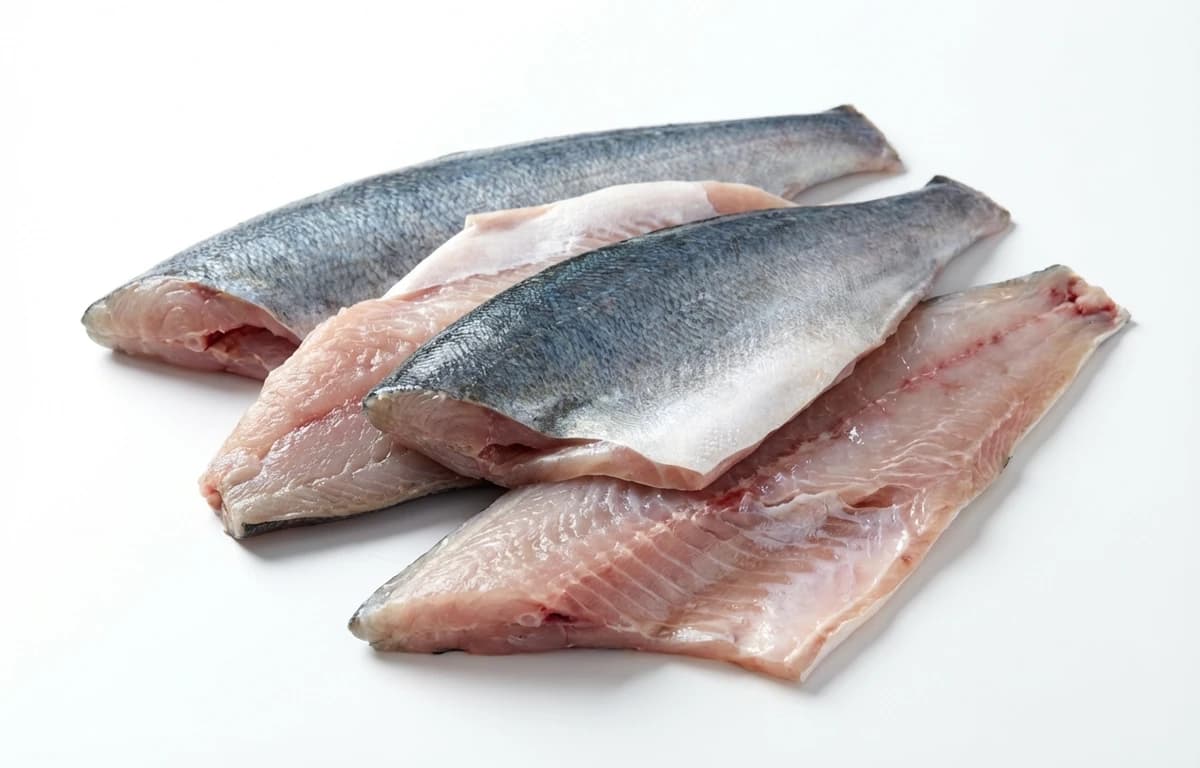
Look for firm, translucent flesh and a clean, briny smell. Avoid fillets that look dull, mushy, or have a strong ammonia odor.
Bluefish contains moderate levels of mercury; it is generally recommended to limit consumption to once a week.
Soaking the fillets in milk for 30 minutes before cooking can help neutralize the strong oily flavor.
Yes, the skin is edible and becomes crispy when grilled or pan-seared, though some prefer to remove it due to the oil concentration.
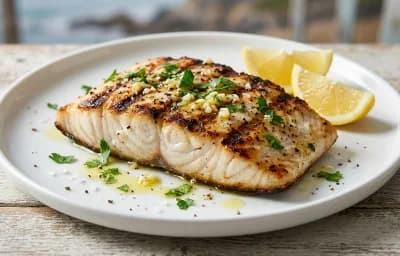
bluefish fillets is a versatile ingredient found in cuisines around the world. With 124 calories per 100g and 20 grams of protein, it's a nutritious addition to many dishes.
Explore more ingredients in the protein category with complete nutrition information.
View all protein →Discover 0 recipes featuring bluefish fillets with step-by-step instructions.
Browse recipes →