
Legume
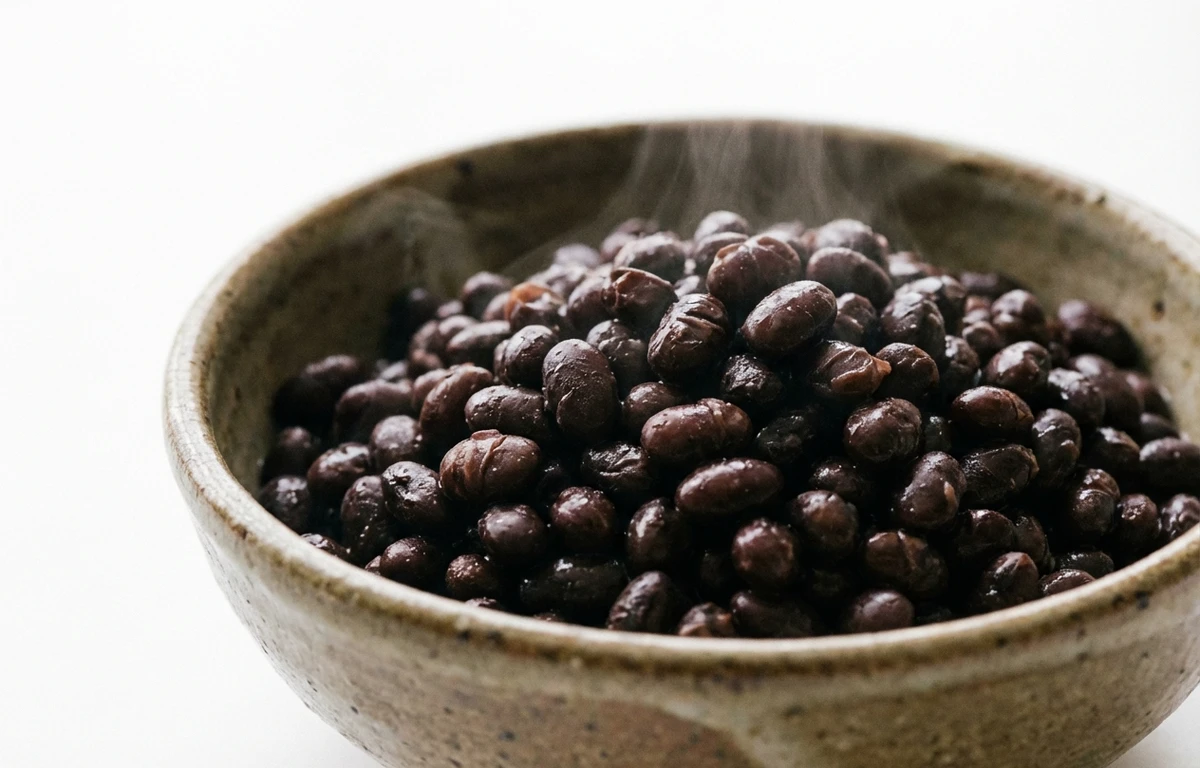
boiled salted black beans.
VegetarianVeganGluten-freeDairy-freeNut-freePeanut-freeSoy-freeEgg-freeShellfish-freeHoney-freeAlcohol-free
SERVING
CALORIES
132
PROTEIN
8.9g
CARBS
23.7g
FAT
0.54g
FIBER
8.7g
NUTRITION PROFILE · per 100 g
Everything in this ingredient.
MACRONUTRIENTS
Calories132kcal—
Protein8.9g18%
Carbohydrates23.7g9%
Fiber8.7g31%
Sugar0.32g1%
Total fat0.54g1%
Saturated fat0.14g1%
Trans fat0g—
Cholesterol0mg0%
Water65.7g—
MINERALS
Sodium237mg10%
Potassium355mg8%
Calcium27mg2%
Iron2.1mg12%
Magnesium70mg17%
Phosphorus140mg11%
Zinc1.1mg10%
Copper0.21mg23%
Manganese0.44mg19%
Selenium1.2µg2%
VITAMINS
Vitamin A0µg0%
Vitamin C0mg0%
Vitamin D0µg0%
Vitamin E0.87mg6%
Vitamin K3.3µg3%
Thiamin (B1)0.24mg20%
Riboflavin (B2)0.06mg5%
Niacin (B3)0.51mg3%
Pantothenic acid (B5)0.24mg5%
Vitamin B60.07mg4%
Folate (B9)149µg37%
Vitamin B120µg0%
%DV based on a 2,000 cal diet. Source: USDA FoodData Central. A dash in the %DV column means there’s no established Daily Value for that nutrient.
MEASUREMENT CONVERSIONS
How much is what.
1 cup172g
1 tablespoon10.8g
1 teaspoon3.6g
1 ml0.7g
1 liter716.7g
HEALTH BENEFITS
Why eat it.
- ✓Rich in dietary fiber, which supports digestive health and helps regulate blood sugar levels.
- ✓Good source of plant-based protein and iron, essential for muscle maintenance and oxygen transport.
- ✓Contain anthocyanins, antioxidants that may help reduce inflammation and protect against chronic diseases like heart disease.
- ✓High in minerals like magnesium and phosphorus, which are crucial for bone health.
COOKING TIPS
In the kitchen.
- 1Rinse canned or pre-boiled salted black beans to remove excess sodium before adding to recipes.
- 2Mash boiled black beans with spices like cumin and chili powder to create a base for vegetarian burgers or dips.
- 3Add to soups, stews, salads, and rice dishes towards the end of cooking to ensure they hold their shape.
- 4Combine with a whole grain like brown rice or corn tortillas to form a complete protein source.
STORAGE
Keep it fresh.
- Store cooked black beans in an airtight container in the refrigerator for up to 3-5 days.
- For longer storage, freeze cooked beans in freezer-safe bags or containers for up to 6 months.
FAQ
Frequently asked questions.
Are boiled salted black beans healthy?
Yes, they are highly nutritious. They provide significant dietary fiber for digestion, plant-based protein for muscle maintenance, and antioxidants like anthocyanins that help reduce inflammation and protect heart health.
How much protein and calories are in 100g of these beans?
A 100g serving contains approximately 132 calories and 8.86 grams of protein. They are very low in fat (0.54g) and provide about 23.71g of carbohydrates, making them a balanced energy source.
Are boiled salted black beans good for weight loss?
Yes, they can be very effective for weight management. Their high fiber and protein content helps increase satiety, which keeps you feeling full for longer and can reduce overall calorie intake throughout the day.
Are boiled salted black beans vegan and gluten-free?
Yes, boiled salted black beans are naturally vegan and gluten-free. They are an excellent plant-based protein and iron source for those on restricted diets, though you should always check labels for cross-contamination if buying pre-packaged versions.
Are these beans keto-friendly?
Generally, no. With about 23.71g of carbohydrates per 100g, they are too high in carbs for a strict ketogenic diet. However, they can fit into a moderate low-carb diet because a portion of those carbs comes from beneficial dietary fiber.
How do I use boiled salted black beans in cooking?
They are incredibly versatile and can be added to salads, soups, stews, or tacos. Since they are already boiled and salted, they can be eaten cold as a snack or tossed into hot dishes at the end of cooking to warm through.
What do boiled salted black beans taste like?
They have a mild, earthy, and slightly nutty flavor with a soft, creamy texture. The addition of salt enhances their natural savoriness, making them a satisfying addition to both savory and spicy dishes.
How should I store leftover boiled black beans?
Store them in an airtight container in the refrigerator for up to 3 to 5 days. If they were purchased in a can, move them to a glass or plastic container rather than storing them in the open metal can to maintain the best flavor.
Can I freeze boiled salted black beans?
Yes, you can freeze them for up to 6 months. Drain any excess liquid and store them in a freezer-safe bag or container; they maintain their texture well and can be added directly to hot recipes from frozen.
Should I rinse boiled salted black beans before using them?
It depends on your sodium preference. Rinsing them can reduce the salt content significantly, which is helpful if you are monitoring your sodium intake or if your recipe already contains other salty ingredients.



















